




Mental health challenges affect millions of people worldwide. Among these conditions, depression remains one of the most common and difficult to treat. While antidepressant medications and psychotherapy help many individuals, some patients continue to struggle despite trying multiple treatment options. For these individuals, Transcranial Magnetic Stimulation (TMS) Therapy offers a promising alternative.
TMS Therapy is changing the landscape of mental health treatment by providing a safe, non-invasive, and drug-free solution for depression and other mood disorders. Unlike traditional treatments that affect the entire body, TMS directly targets specific areas of the brain involved in emotional regulation. As a result, many patients experience meaningful improvements without the unwanted side effects often associated with medication.
Today, TMS Therapy is recognized as one of the most significant advancements in modern psychiatry, offering hope to individuals seeking lasting relief from persistent mental health symptoms.
What Is TMS Therapy?
Transcranial Magnetic Stimulation (TMS) Therapy is an FDA-approved treatment designed to stimulate targeted regions of the brain using magnetic pulses. It is most commonly used to treat Major Depressive Disorder (MDD), particularly in patients who have not responded adequately to antidepressant medications.
The treatment works by activating underactive areas of the brain that are closely linked to mood control. These gentle magnetic pulses help restore normal brain activity and improve communication between nerve cells.
Unlike surgery or invasive procedures, TMS Therapy requires no anesthesia, injections, or recovery period. Patients remain fully awake throughout each session and can return to their normal daily activities immediately afterward.
How Does TMS Therapy Work?
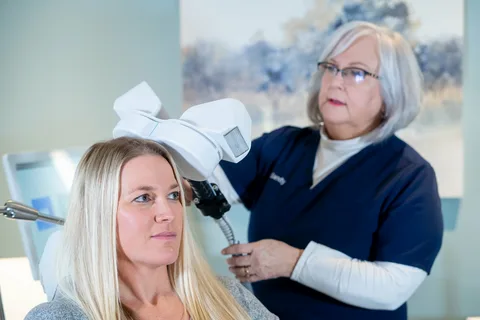
Depression is often associated with reduced activity in the prefrontal cortex, a brain region responsible for mood regulation and emotional processing. TMS Therapy targets this area directly. A specialized magnetic coil is placed against the patient’s scalp during the treatment. The apparatus emits precisely regulated magnetic pulses that activate nerve cells in the specific area.
These pulses encourage healthier neural activity and help strengthen communication pathways within the brain. Over time, this process can improve mood, reduce depressive symptoms, and enhance overall emotional well-being.
Most treatment sessions last between 20 and 40 minutes. Patients typically receive treatment five days per week for several weeks, depending on their personalized care plan.
Conditions That Can Benefit from TMS Therapy
Although TMS Therapy is primarily known for treating depression, healthcare providers are increasingly using it to address a variety of mental health conditions.
Major Depressive Disorder
TMS Therapy is particularly effective for individuals who have not achieved satisfactory results from antidepressants or counseling alone. Many patients experience significant symptom improvement after completing treatment.
Anxiety Disorders
Anxiety often occurs alongside depression. Many individuals report reduced anxiety symptoms during and after TMS treatment, helping them feel calmer and more emotionally balanced.
Obsessive-Compulsive Disorder (OCD)
TMS Therapy has received FDA clearance for treating OCD. It can help reduce intrusive thoughts and compulsive behaviors, improving quality of life for affected individuals.
Post-Traumatic Stress Disorder (PTSD)
Emerging research suggests that TMS Therapy may provide relief for trauma-related symptoms by improving emotional regulation and reducing distress.
Other Neurological and Psychiatric Conditions
Researchers continue exploring TMS Therapy’s potential benefits for conditions such as bipolar depression, addiction, chronic pain, and certain neurological disorders.
Key Benefits of TMS Therapy
One reason TMS Therapy continues gaining popularity is the wide range of benefits it offers patients.
Non-Invasive Treatment
Drug-Free Alternative
Many individuals seek TMS Therapy because they want relief without relying on medications or experiencing medication-related side effects.
Minimal Side Effects
Most patients tolerate TMS Therapy very well. Common side effects are usually mild and temporary, often including slight scalp discomfort or minor headaches.
No Downtime Required
Unlike many medical procedures, TMS Therapy requires no recovery period. Patients can drive themselves to appointments and return to work, school, or family activities immediately afterward.
Long-Lasting Results
Many patients continue experiencing symptom improvement long after completing treatment. In some cases, maintenance sessions may be recommended to support ongoing wellness.
Who Is a Good Candidate for TMS Therapy?
TMS Therapy may be an excellent option for adults who:
- Have been diagnosed with major depressive disorder
- Have not responded well to antidepressant medications
- Experience difficult medication side effects
- Prefer non-invasive treatment options
- Want to supplement existing mental health treatments
A qualified healthcare provider will conduct a comprehensive evaluation to determine whether TMS Therapy is appropriate for each individual.

What Happens During a TMS Session?
Many first-time patients feel uncertain because they do not know what to expect. Fortunately, the process is straightforward and comfortable. The process of treatment usually starts with a first consultation. During this appointment, clinicians review medical history, symptoms, and treatment goals.
At each session, the clinician positions the magnetic coil over the treatment area. As the machine delivers pulses, patients may feel a gentle tapping sensation on the scalp.
Most individuals quickly adapt to the feeling and find the sessions easy to tolerate. Since sedation is unnecessary, patients remain awake and can relax, listen to music, or simply rest during treatment.
The Science Behind Therapy
TMS Therapy is backed by extensive clinical research and scientific evidence. Brain imaging studies have consistently shown that individuals with depression often exhibit reduced activity in specific regions involved in mood regulation.
TMS stimulates these underactive areas and promotes neuroplasticity, which refers to the brain’s ability to form new neural connections and adapt over time.
This process supports healthier brain function and helps restore emotional balance. Numerous clinical trials have demonstrated significant improvements in depressive symptoms among individuals who previously struggled with conventional treatments.
TMS Therapy vs. Antidepressant Medication
Many patients compare TMS to traditional antidepressants when considering treatment options.
How Medications Work
Antidepressants influence neurotransmitter levels throughout the body. While effective for many people, they can also cause side effects such as:
- Weight gain
- Fatigue
- Digestive issues
- Sleep disturbances
- Sexual dysfunction
How TMS Therapy Differs
TMS Therapy directly targets specific brain regions associated with depression. Because the treatment focuses on localized brain activity rather than the entire body, it significantly reduces the likelihood of systemic side effects.
For individuals who have tried multiple medications without success, Therapy often provides a valuable alternative.
Success Rates and Patient Outcomes
Clinical studies consistently report encouraging outcomes for Therapy patients. Many individuals experience meaningful symptom reduction, while others achieve complete remission of depressive symptoms.
Success rates vary depending on factors such as symptom severity, diagnosis, and individual response. However, TMS Therapy continues demonstrating strong effectiveness, particularly among patients with treatment-resistant depression.
As research advances, the growing evidence base continues strengthening confidence in this innovative treatment.
Safety and Side Effects
TMS Therapy has an excellent safety profile when performed by trained professionals.
Possible side effects may include:
- Mild scalp discomfort
- Temporary headaches
- Tingling near the treatment area
- Brief facial muscle twitching
Serious complications are rare. Healthcare providers carefully evaluate each patient and discuss all safety considerations before treatment begins.
Conclusion
TMS Therapy is revolutionizing mental health care by offering a safe, effective, and non-invasive treatment option for depression and other psychiatric conditions. For individuals who have not achieved relief through medications or traditional therapies, TMS provides a new path toward recovery and emotional well-being.
With minimal side effects, no downtime, and strong clinical support, TMS continues helping countless patients regain control of their mental health. As awareness grows and research expands, this innovative treatment is becoming an increasingly important part of modern psychiatric care. For those seeking lasting relief from depression, Therapy may represent the breakthrough they have been waiting for.