






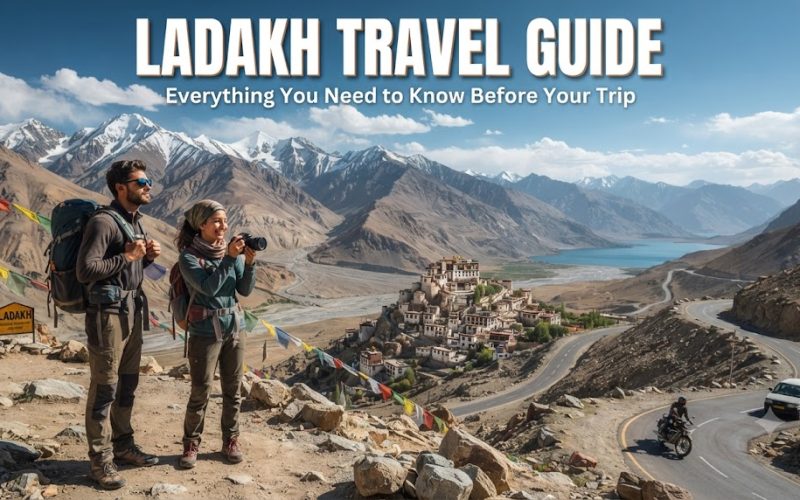
Ladakh is one of the most breathtaking mountain destinations in India. Known for dramatic Himalayan landscapes, ancient monasteries, peaceful valleys, high-altitude lakes, and winding mountain roads, Ladakh attracts travelers looking for adventure and unforgettable experiences. This Ladakh Travel Guide will help you plan your dream mountain trip, from choosing the best time to visit to exploring the region’s most beautiful places.
Why Plan a Trip to Ladakh?
Ladakh offers a unique combination of nature, culture, adventure, and peaceful surroundings. Unlike busy city destinations, the region gives travelers an opportunity to experience wide-open landscapes and remote Himalayan communities.
The journey itself can be an important part of the experience. Scenic roads, mountain passes, colorful prayer flags, monasteries, and traditional villages create countless opportunities for photography and exploration.
Whether you are traveling with friends, family, or planning a solo adventure, Ladakh can be adapted to different travel styles.
Choose the Best Time to Visit
Choosing the right season is an important part of planning your trip. The main travel season generally runs from May to September, when many roads and tourist attractions are more accessible.
Summer is popular because travelers can explore places such as Leh, Nubra Valley, Pangong Lake, and other scenic areas. However, popular locations may become busy during peak months.
For a quieter experience, consider traveling during the shoulder months when conditions permit. Always check current weather and road conditions before finalizing your itinerary because mountain conditions can change quickly.
Winter transforms Ladakh into a completely different destination. Snow, freezing temperatures, and challenging road conditions can make travel difficult, but experienced adventure travelers may enjoy its peaceful winter landscapes.
Decide How You Will Reach Ladakh
You can generally reach Ladakh by air or road.
Flying into Leh is convenient for travelers who want to save time. Flights operate from selected Indian cities, although schedules can vary depending on the season.
Road trips are another popular choice. Routes from Srinagar and Manali provide spectacular scenery and turn the journey into an adventure. If you choose to travel by road, allow enough time and check road conditions before starting.
Don’t make your itinerary too tight. Mountain journeys can take longer than expected because of weather, traffic, road conditions, and photography stops.
Spend Time in Leh
Leh is an excellent starting point for exploring Ladakh. Before heading to higher-altitude destinations, spend time resting and exploring the town.
You can visit Leh Palace, explore local markets, enjoy views from nearby locations, and experience the area’s unique culture.
Leh is also a convenient place to organize transportation, permits where required, accommodation, and supplies for your onward journey.
Explore Nubra Valley
Nubra Valley is one of the highlights of any Ladakh Travel Guide. The valley is known for dramatic mountains, beautiful villages, monasteries, and unusual desert-like landscapes.
Diskit Monastery is a major attraction and offers impressive views across the valley. You can also explore nearby villages and enjoy the peaceful atmosphere.
The journey to Nubra is an adventure in itself, with spectacular mountain scenery along the route.
Visit Pangong Lake
Pangong Lake is famous for its striking blue water surrounded by rugged mountains. Its changing colors and dramatic landscape make it one of Ladakh’s most photographed destinations.
Because Pangong is located at high altitude, proper acclimatization is important. Avoid rushing there immediately after arriving in Leh.
Stay overnight if your itinerary and conditions allow, but be prepared for cold temperatures, particularly after sunset.
Consider Tso Moriri
If you want to experience another beautiful high-altitude lake, consider adding Tso Moriri to your itinerary.
Tso Moriri is surrounded by mountains and offers a quieter atmosphere than some of Ladakh’s more popular attractions. It is an excellent choice for travelers who enjoy nature, photography, and peaceful landscapes.
Because remote areas can have limited facilities, prepare carefully and confirm accommodation and transportation arrangements beforehand.
Plan for Acclimatization
One of the most important parts of planning a Ladakh trip is allowing your body time to adjust to the altitude.
Do not fill your first day in Leh with demanding activities. Rest, stay hydrated, eat light meals if needed, and avoid unnecessary physical exertion.
Altitude-related problems can become serious. If you experience severe headache, difficulty breathing, confusion, persistent vomiting, or worsening symptoms, seek medical assistance and avoid traveling to higher elevations until you are properly assessed.
A relaxed first few days can make the rest of your trip much more enjoyable.
Pack the Right Clothing
Ladakh’s weather can change dramatically between day and night. Even during warmer months, temperatures can drop significantly after sunset.
Pack layers instead of relying on a single heavy jacket. Your packing list should include:
- Warm jacket
- Thermal clothing
- Comfortable walking shoes
- Gloves and warm socks
- Sunglasses
- Sunscreen
- Lip balm and moisturizer
- Reusable water bottle
- Personal medicines
- Power bank
- Small backpack
- Important travel documents
Good footwear is especially useful if you plan to explore monasteries, villages, viewpoints, or short hiking routes.
Plan Your Transportation
Transportation is an important consideration in Ladakh. Depending on your itinerary, you may use taxis, rental vehicles, motorcycles, or organized tours.
If you are planning a road trip, make sure the vehicle is suitable for mountain roads and that you understand local transportation requirements.
Avoid creating an itinerary that requires extremely long drives every day. Leave enough time to stop, rest, take photographs, and enjoy the landscapes.
Respect Local Culture
Ladakh has a rich cultural and spiritual heritage. Monasteries and villages provide opportunities to learn about local traditions.
When visiting religious sites, dress respectfully and follow local rules. Ask permission before photographing people, particularly monks and residents.
Try local food, interact respectfully with communities, and support small local businesses when possible. These simple choices can make your journey more meaningful.
Travel Responsibly
Ladakh’s natural environment is fragile, and responsible tourism is essential.
Carry reusable items where possible, avoid littering, reduce plastic waste, and never leave trash behind in remote areas. Follow designated routes and avoid disturbing wildlife.
Choose local accommodations, guides, restaurants, and services whenever possible. Supporting local communities helps ensure tourism benefits the people who live in the region.
Keep Your Itinerary Flexible
A dream mountain trip should not feel like a race. Mountain weather and road conditions can change unexpectedly, so leave some flexibility in your schedule.
Instead of trying to visit every attraction, choose a few key destinations and spend enough time enjoying them.
A slower itinerary allows you to appreciate the silence, scenery, culture, and unique character of Ladakh.
Final Thoughts
Planning a trip to Ladakh requires preparation, but the rewards are worth it. From Leh’s cultural attractions to the dramatic landscapes of Nubra Valley and Pangong Lake, every part of the journey can offer something special.
This Ladakh Travel Guide shows that a successful mountain adventure is about more than choosing destinations. You need to consider the season, altitude, transportation, clothing, accommodation, and local conditions.
Plan carefully, travel responsibly, and give yourself enough time to enjoy the journey. With thoughtful preparation, Ladakh can become more than just another holiday destination—it can be an unforgettable Himalayan experience filled with mountains, peaceful moments, cultural discoveries, and incredible memories.