





Residential flat roofs are becoming increasingly popular among homeowners across the United States. They provide a sleek, modern look, offer additional usable space, and tend to be more affordable than traditional sloped roofs. Many homeowners are drawn to room roofs for their versatility—they can be used for outdoor seating areas, solar panel installations, or even small garden spaces. However, these roofs require proper care to remain in good condition and prevent leaks.
Unlike sloped roofs, house roofs are not designed to allow water to drain away quickly. This means they require more attention and maintenance to keep them functioning well. With the right knowledge and regular upkeep, homeowners can avoid expensive repairs and ensure that their roof lasts for years. Many property owners hire professional residential house roof services to handle the technical aspects of maintenance, ensuring a roof that is both durable and reliable year-round.
What Makes Flat Roofs Different?
Flat roofs might appear to be completely level, but in reality, they have a slight slope, typically around 1-2 degrees. This minimal angle ensures that water can still drain off the roof, albeit slowly. Due to this design, room roofs are more susceptible to water pooling, which can lead to leaks and damage if not properly managed.
Common Materials Used for Flat Roofs
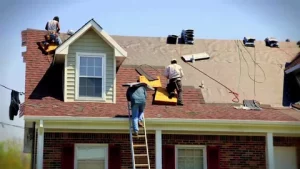
There are several materials commonly used to construct roofs. Each material has its own benefits, depending on the needs of the homeowner:
- Modified Bitumen: Known for its high durability and resistance to weathering.
- EPDM Rubber Roofing: Flexible, long-lasting, and resistant to UV rays.
- TPO Roofing Membranes: A more energy-efficient option that reflects UV light and helps with temperature regulation.
The material you choose will directly impact the roof’s longevity and maintenance needs. A professional roofing contractor can help you make the best choice based on your climate and budget.
Why Flat Roofs Need More Attention
Because water doesn’t drain as quickly on flat roofs, it can easily pool on the surface, leading to leaks. Over time, dirt, debris, and even algae or moss growth can accumulate, further impeding drainage and damaging the roofing material. This is why regular roof inspections are essential.
Common Issues with Flat Roofs
Several problems can arise with flat roofs, especially if they’re not well-maintained:
- Water Pooling: If water remains on the roof for extended periods, it can cause material deterioration and lead to leaks.
- Cracks and Surface Damage: Temperature fluctuations can cause the roofing material to expand and contract, leading to cracks or blisters.
- Clogged Drains and Gutters: Blockages can prevent proper water flow, adding pressure to the roof and causing damage.
- Weather and UV Damage: Constant exposure to sunlight, rain, and snow wears down the roofing materials over time.
- Poor Installation: Incorrect installation, such as improperly sealed seams, can cause significant problems right from the start.
Benefits of Regular Roof Maintenance
Regular maintenance offers numerous benefits that can help homeowners protect their flat roofs and save money in the long run. Here’s why it’s worth investing time in maintaining your flat roof:
- Increased Lifespan: Proper maintenance, such as cleaning debris and sealing cracks, can extend the life of your flat roof.
- Lower Repair Costs: Early detection of minor issues prevents larger, more expensive repairs down the line.
- Better Protection: A well-maintained roof keeps your home dry and protects against leaks, mold, and structural damage.
- Energy Efficiency: With regular care, flat roofs can provide better temperature regulation for your home, which lowers energy costs.
- Increased Property Value: Homes with well-maintained roofs are more attractive to potential buyers.
Simple Roof Maintenance Tips
Maintaining a flat roof doesn’t require complex skills—just follow these simple tips:
- Regular Cleaning: Keep your roof free from leaves, dirt, and debris to prevent water buildup.
- Post-Storm Inspections: After storms or heavy rain, check for signs of damage such as standing water, cracks, or loose materials.
- Ensure Proper Drainage: Regularly inspect gutters and drains to ensure water flows off the roof smoothly.
- Address Small Problems Quickly: Small cracks or leaks are easy to fix before they become major issues.
- Limit Foot Traffic: Only walk on your roof when necessary to avoid damaging the surface.
When to Call the Professionals
There are times when you may need to call in the experts for help with your flat roof. Here are some signs that professional assistance is needed:
- Water stains on your ceilings or walls
- Frequent leaks during rainfall
- Visible cracks or sagging areas on the roof
- Mold or mildew growth
- A noticeable increase in energy bills
Roofing professionals can perform thorough inspections, find hidden issues, and suggest the best solutions to keep your roof in top condition.
Conclusion
Flat roofs are a modern and efficient option for homeowners, but they require proper care to stay functional and leak-free. With the right maintenance and the help of professional roofing services, your flat roof can last for many years. Regular inspections, cleaning, and addressing small issues early can help you avoid costly repairs and protect your home.
Roof Side Pro offers expert services to help homeowners maintain their flat roofs, ensuring long-lasting protection and peace of mind. By staying proactive with your roof care, you can enjoy the full benefits of your flat roof for years to come.