




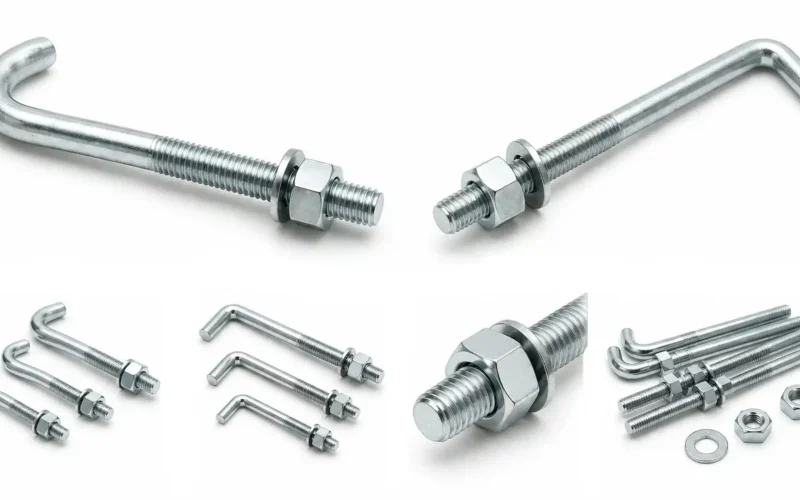
Concrete foundations provide essential support for buildings, industrial equipment, steel structures, and infrastructure projects. However, the reliability of a foundation depends on more than concrete quality alone. The fasteners embedded within it must be correctly positioned, properly specified, and installed according to approved engineering drawings. This is why Anchor Bolts should be inspected before concrete is poured rather than waiting until the foundation has hardened.
Pre-pour inspection gives engineers and construction teams an opportunity to identify positioning errors, dimensional inconsistencies, and installation problems while they are still relatively easy to correct. Once concrete sets, even a minor mistake can lead to costly repairs, construction delays, or compromised structural connections. Establishing a thorough inspection process before pouring helps protect the project’s safety, schedule, and budget.
Why Pre-Pour Anchor Bolt Inspection Matters
Anchor bolts connect concrete foundations to structural components such as steel columns, equipment bases, support frames, and machinery. Their location and alignment must match the requirements of the components they will support.
If bolts are incorrectly positioned, the base plate may not fit properly. Contractors might be tempted to enlarge holes, bend bolts, or make other adjustments to complete the installation. Such modifications can affect connection performance if they have not been reviewed and approved by the responsible engineer.
Inspecting the anchoring system before concrete placement allows the project team to confirm that every bolt is installed according to the approved design. It also provides an opportunity to correct errors before they become difficult and expensive to resolve.
Pre-pour inspection is therefore an important quality-control measure, not simply an administrative task.
Verifying Anchor Bolt Locations and Spacing
One of the most important inspection activities is checking the location of each anchor bolt. The bolt arrangement must correspond with the structural drawings, base plate dimensions, and equipment installation requirements.
Surveying instruments, measuring tapes, and approved templates can help construction teams verify the correct layout. Inspectors should check the distance between bolts, their position relative to foundation edges, and their alignment with the relevant structural gridlines.
Spacing is particularly important when several bolts work together as an anchoring group. Incorrect spacing may prevent a base plate from fitting correctly or affect the intended distribution of loads through the connection.
Inspectors should also confirm that bolts are not too close to concrete edges or other embedded components unless the design specifically permits the arrangement. Any discrepancy should be documented and reviewed before the concrete pour proceeds.
Checking Bolt Projection and Embedment Depth
Anchor bolt projection refers to the portion extending above the concrete surface. This exposed length must accommodate the base plate, washers, nuts, and required thread engagement.
If the projection is insufficient, contractors may struggle to install the connection correctly. Excessive projection can also create practical difficulties or conflict with the equipment or structural details.
Embedment depth is equally important because it affects how forces are transferred from the bolt into the concrete. The required depth depends on the anchor type, design loads, concrete properties, and applicable engineering requirements.
Before pouring, inspectors should confirm that the bolts have the specified overall length and are positioned to achieve the required embedment. They should also verify that the intended embedded portions are not obstructed or incorrectly assembled.
These checks help ensure that the anchoring system meets both dimensional and structural requirements.
Confirming Bolt Grade, Size, and Material Specifications
Not all anchor bolts are suitable for every construction application. Different projects require fasteners with particular diameters, lengths, material grades, thread dimensions, and mechanical properties.
Using an incorrect bolt specification can affect the connection’s ability to resist tensile and shear forces. For this reason, inspectors should compare the supplied materials with the approved drawings, technical specifications, and relevant material documentation.
Important checks include:
- Bolt diameter, length, and thread dimensions.
- Material grade and specified mechanical properties.
- Required nuts, washers, and compatible accessories.
- Surface finish or corrosion-protection requirements.
- Material identification and supporting certificates, where specified.
For projects requiring industrial fastening products, suppliers such as Petrofast Middle East FZC may be considered during procurement, provided that the selected products meet the project’s technical specifications and applicable standards.
Verifying materials before installation reduces the risk of discovering an unsuitable or incorrectly supplied component after the foundation has been completed.
Inspecting Templates, Bracing, and Alignment
Anchor bolts can shift during concrete placement if they are not adequately secured. The movement may occur when workers handle reinforcement, discharge concrete, operate vibration equipment, or work around the foundation.
Templates and suitable bracing help maintain the required bolt arrangement. Before pouring begins, inspectors should verify that these supports are stable and that the bolts are held securely in their specified positions.
The inspection should include vertical alignment, spacing, projection, and the stability of the complete bolt assembly. Where the design requires bolts to remain perpendicular to the foundation surface, their alignment should be checked using suitable measuring tools.
Contractors should also confirm that the assembly will remain accessible and protected during concrete placement. Exposed threads may need protection from concrete splashes, damage, or contamination that could interfere with subsequent nut installation.
A stable installation arrangement reduces the likelihood of bolt movement and limits the need for corrective work after the concrete hardens.
Checking Reinforcement and Embedded Components
Anchor bolt installations must be coordinated with the foundation’s reinforcement and other embedded items. Reinforcing bars, conduits, sleeves, and service components may occupy the same space required by the anchoring system.
If these elements conflict, workers may attempt to move reinforcement or relocate bolts without proper authorization. Such changes can compromise the intended structural design.
Pre-pour inspection helps identify these conflicts while adjustments are still possible. The inspector should compare the installed arrangement with approved reinforcement and foundation drawings, paying particular attention to bolt embedment zones and required concrete cover.
If a conflict is identified, the responsible engineer should determine the appropriate solution. Reinforcement should not be cut, and anchor bolts should not be relocated, simply to make installation easier.
Effective coordination between structural engineers, contractors, surveyors, and other trades helps prevent these problems and supports a smoother construction process.
Assessing Concrete Preparation and Pour Readiness
The foundation should be ready for concrete placement before the anchoring system is approved. Inspectors should check that the formwork is properly positioned, the foundation dimensions are correct, and the reinforcement and embedded components have been installed according to the approved drawings.
The area around the anchor bolts should be free from unnecessary debris and materials that could interfere with concrete placement. The team should also confirm that the proposed pouring method will allow concrete to flow around the embedded portions and reinforcement without creating avoidable voids or segregation.
Workers responsible for placing and consolidating concrete should understand the importance of preventing bolt movement. Appropriate monitoring during the pour can help maintain alignment and identify unexpected displacement before the concrete begins to set.
Pre-pour approval should be documented according to the project’s inspection and test plan, including the resolution of any outstanding issues.
Documenting Inspection Results and Correcting Defects
A reliable inspection process requires clear records. Photographs, survey measurements, material certificates, inspection checklists, and signed approvals can demonstrate that the anchoring system was checked before concrete placement.
Documentation also creates a reference for later installation and quality-control activities. If questions arise during steel erection or equipment installation, the team can review the recorded bolt positions and approved specifications.
Any deviation should be reported promptly. The responsible engineer should evaluate whether the issue affects structural performance, installation compatibility, or compliance with project requirements.
Concrete placement should not proceed until critical discrepancies have been resolved and the required approval has been obtained. This approach prevents avoidable errors from becoming permanent defects within the foundation.
Conclusion
Anchor bolt inspection should begin before the concrete pour because this stage offers the best opportunity to identify and correct installation problems. Checking bolt locations, spacing, projection, embedment, material specifications, alignment, and reinforcement coordination helps ensure that the completed foundation can support its intended structural connections.
A systematic pre-pour inspection also reduces the risk of expensive modifications, project delays, and installation difficulties. By following approved drawings, maintaining accurate records, and obtaining engineering approval for deviations, construction teams can improve quality control and protect long-term structural reliability. Careful preparation before concrete placement helps establish a dependable foundation for every component that will be secured to it.