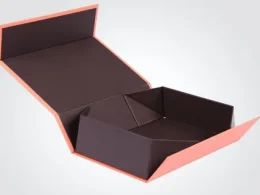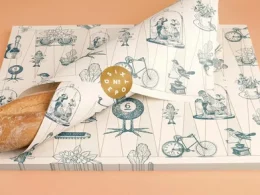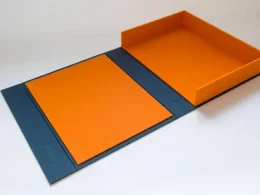




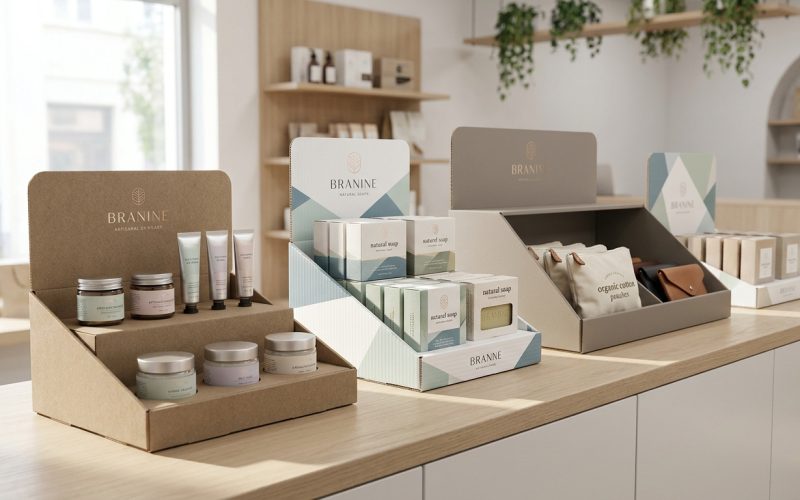
Custom display boxes are an effective way to present products, organise retail shelves and make a brand more noticeable in busy shopping environments. Unlike standard packaging, display packaging is designed to showcase products while keeping them accessible to potential customers. From small independent shops to established retail businesses, the right display box can improve product presentation and create a more organised shopping experience.
Choosing suitable display packaging involves more than selecting an attractive design. Businesses also need to consider product weight, available space, materials, printing, durability and customer convenience. Understanding these factors helps brands choose packaging that supports their products and retail objectives.
What Are Custom Display Boxes?
Custom display boxes are specially designed packaging units used to arrange and present products in retail environments. They can be placed on shop counters, shelves, checkout areas or promotional stands, depending on their structure and intended purpose.
Unlike ordinary product boxes, display boxes often hold several individual items together. Their design may include an open front, compartments, raised panels or a branded header to make products easier to see. Some designs also include windows that allow customers to view the contents without opening the packaging.
Businesses can customise these boxes according to their product dimensions, brand colours, artwork and display requirements. This flexibility makes them suitable for a wide range of retail products, including cosmetics, confectionery, accessories, small gifts and promotional items.
Why Are Custom Display Boxes Important for Retail Businesses?
Product presentation can influence how shoppers notice, understand and evaluate an item. When several similar products compete for attention, organised and attractive packaging can help a brand communicate its identity more clearly.
1. Improve Product Visibility
Products can easily become overlooked when shelves are crowded or packaging looks similar. Custom display boxes help group items neatly and create a clear visual area for a particular product range.
For example, a cosmetics brand could use a countertop display to arrange lip balms or other small products in separate sections. Customers can see the available options without searching through a disorganised shelf.
2. Strengthen Brand Recognition
Display packaging provides space for logos, brand colours, product names and short promotional messages. Using these elements consistently helps customers recognise a business across different products and retail locations.
A well-planned design should communicate the brand’s identity without overwhelming the customer with unnecessary information. Clear branding, readable text and a suitable colour scheme can make the display easier to understand.
3. Support Impulse Purchases
Small products placed near checkout counters may attract shoppers who are already completing a purchase. A carefully positioned display can introduce additional products or encourage customers to consider an item they had not originally planned to buy.
However, attractive packaging alone cannot guarantee extra sales. Product relevance, pricing, availability and placement all contribute to the overall shopping experience.
4. Keep Products Organised
Display boxes can help retailers maintain a tidy presentation by keeping individual products together. Compartments and dividers are particularly useful when items come in different sizes or varieties.
A stable structure also makes it easier for shop staff to replenish products and maintain a consistent appearance throughout the day.
Common Types of Custom Display Boxes
Different retail environments require different packaging structures. Selecting the right format depends on where the products will be displayed and how customers will interact with them.
Counter Display Boxes
Counter display boxes are compact units designed for shop counters, reception desks and checkout areas. They work well for smaller products, samples, accessories and promotional items.
Their main advantage is that they use limited space while keeping products within easy reach.
Cardboard Display Boxes
Cardboard display boxes offer a practical option for lightweight retail products. They can be printed with colourful graphics and adapted to different shapes and dimensions.
These boxes are particularly useful for brands that want functional packaging with clear branding and straightforward assembly.
Corrugated Display Boxes
Corrugated display boxes contain a fluted layer that adds strength and rigidity. Depending on the board grade and construction, they can support heavier products or larger displays.
They may also be suitable for businesses that need packaging to withstand handling during distribution before being placed on the shop floor.
Custom Printed Display Boxes
Custom printed display boxes feature brand-specific artwork, product information and promotional messages. Businesses can choose colours, graphics and finishes that reflect their identity.
The design should prioritise readability and make the main product benefit easy to understand at a glance.
Display Boxes with Windows
Window display boxes include a transparent section that allows customers to see the product inside. They can be useful when the appearance, colour or shape of the item influences purchasing decisions.
The window should be positioned carefully so it provides a clear view without compromising the box’s structural strength.
How to Choose the Right Material for Display Packaging
Material selection affects the appearance, durability, cost and environmental considerations of a display box. The most suitable option depends on the product and its intended retail setting.
Cardboard and paperboard: These materials are commonly used for lightweight products and printed retail displays. They offer a smooth surface for branding and can be cut into different shapes.
Corrugated board: This option provides additional structural support through its fluted construction. It can be suitable for heavier products or displays that require greater strength.
Kraft paperboard: Kraft-based materials offer a natural appearance that works well with simple, understated branding. Their environmental suitability depends on the specific material, coatings and available recycling facilities.
Rigid board: Thicker rigid board creates a solid, premium presentation. It may suit higher-value products, although its cost and material use should be considered when choosing a display format.
When comparing materials, businesses should assess product weight, expected handling, moisture exposure and the length of time the display will remain in use.
Design Tips for More Effective Custom Display Boxes
A successful display box balances visual appeal with practical performance. The following considerations can help businesses develop a suitable design.
Keep the Message Simple
Customers should be able to identify the product and understand its main benefit quickly. Use a clear product name, readable typography and concise supporting information. Avoid filling every available panel with text.
Match the Box to the Product
Measure the product carefully before finalising the packaging dimensions. The box should hold the items securely without unnecessary movement or wasted space. For products sold in multiple sizes, consider whether adjustable compartments or separate box dimensions would work better.
Choose Colours Carefully
Brand colours can help create a consistent appearance across packaging and other marketing materials. Contrast is also important because text and product details need to remain readable under different shop lighting conditions.
Consider the Display Location
A box designed for a checkout counter will have different requirements from one intended for a wide retail shelf. Measure the available area and consider viewing angles, customer access and how staff will refill the display.
Test Stability and Assembly
Before ordering a large quantity, check whether the box stands securely when filled with the intended products. Test the assembly process, opening design and ease of restocking. A sample or prototype can reveal practical issues before full production begins.
Can Custom Display Boxes Be Environmentally Considerate?
Businesses can make more informed packaging choices by considering material use, recyclability and disposal. Paper-based display boxes may be suitable where the material and local recycling arrangements support recovery.
To reduce unnecessary waste, choose dimensions that fit the products, avoid excessive layers and use inserts only when they serve a clear purpose. Printing and finishing choices should also be assessed alongside the base material, as some coatings or mixed-material components can affect recycling.
Environmental claims should reflect the actual packaging specification rather than relying on terms such as ‘eco-friendly’ without supporting details.
Where Can Businesses Get Custom Display Boxes?
Businesses looking for display packaging should start by identifying their product dimensions, expected quantity, preferred material and intended display location. Preparing these details makes it easier to compare suitable designs and request an accurate quotation.
Artsy Packaging provides tailored packaging options for businesses that want to present their products professionally. You can explore custom display boxes to learn more about display packaging styles and customisation possibilities.
Before confirming an order, ask about printing options, structural requirements, available finishes, minimum order quantities and production timelines. Reviewing the final artwork and, where appropriate, a physical sample can help ensure the finished packaging meets your expectations.
Final Thoughts
Custom display boxes can help retail businesses present products clearly, maintain organised shelves and communicate a consistent brand identity. The best choice depends on the product, retail environment, material requirements and budget.
By combining suitable materials, thoughtful design and practical testing, businesses can create display packaging that looks professional and works effectively in everyday retail settings. Start with the needs of your products and customers, then choose a design that supports both presentation and usability.
World Wide Digest shares practical technology tips, easy-to-follow guides, software advice and digital insights to help readers understand technology, solve everyday problems and stay informed about the latest tech trends.