




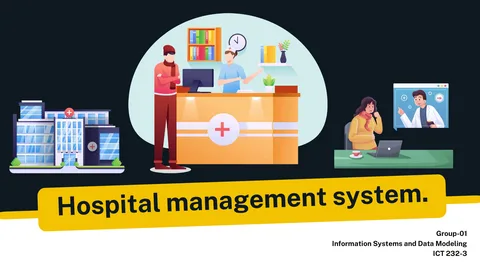
As hospitals continue expanding their services, patient capacity, and healthcare operations, managing daily workflows manually becomes increasingly difficult. Growing hospitals require scalable hospital management systems that can handle large volumes of patient data, automate administrative tasks, improve communication, and support long-term operational growth.
Modern hospital management software helps healthcare organizations streamline appointments, billing, diagnostics, pharmacy management, electronic medical records, and reporting systems through centralized digital platforms. Scalable solutions are especially important for hospitals planning to expand departments, branches, or healthcare services in the future.
Here are some of the top scalable hospital management systems helping growing hospitals improve efficiency and healthcare delivery.
1. The Meditale
The Meditale is one of the most advanced and scalable hospital management systems designed for modern healthcare organizations. The platform offers an integrated healthcare ecosystem that supports hospitals of different sizes, from small clinics to large multi-specialty healthcare networks.
The software combines multiple healthcare functions into one centralized platform, helping hospitals manage patient records, billing, appointments, diagnostics, pharmacy operations, telemedicine, inventory, and healthcare analytics efficiently.
The Meditale is designed to support hospital growth through cloud-based accessibility, workflow automation, and multi-location management capabilities.
Key Features:
- Electronic Medical Records (EMR)
- Smart Appointment Scheduling
- Automated Billing & Insurance Management
- Telemedicine Integration
- Diagnostics & Laboratory Management
- Pharmacy & Inventory Automation
- Real-Time Reporting & Analytics
- Multi-Hospital Management
- Cloud-Based Healthcare Infrastructure
The platform helps growing hospitals improve operational efficiency while maintaining organized and secure healthcare systems.
2. Epic Systems
Epic Systems is widely recognized for providing scalable healthcare management solutions for large hospitals and healthcare organizations. The platform supports advanced healthcare workflows and integrated patient management systems.
Epic is especially suitable for hospitals handling high patient volumes and complex healthcare operations.
Core Capabilities:
- Enterprise-Level Electronic Health Records
- Healthcare Workflow Management
- Revenue Cycle Management
- Patient Engagement Tools
- Real-Time Healthcare Analytics
Epic supports healthcare institutions seeking long-term digital healthcare infrastructure.
3. Cerner
Cerner offers scalable hospital information systems that help healthcare organizations improve operational coordination and patient care management.
The platform supports hospitals with digital healthcare solutions focused on automation, analytics, and interoperability between healthcare departments.
Main Features:
- Clinical Workflow Automation
- Healthcare Data Integration
- Smart Reporting Systems
- Patient Record Management
- Resource Optimization Tools
Cerner is commonly used by hospitals looking to modernize operations while preparing for future expansion.
4. KareXpert
KareXpert is a cloud-based healthcare management platform designed for smart hospitals and digitally connected healthcare organizations.
The software focuses on scalability, automation, and AI-driven healthcare workflows that help hospitals improve efficiency as they grow.
Main Features:
- Cloud Hospital Management
- AI-Based Analytics
- Telemedicine Services
- Automated Patient Workflows
- Multi-Branch Healthcare Support
KareXpert is suitable for healthcare providers adopting modern digital healthcare systems.
5. eHospital Systems
eHospital Systems provides scalable healthcare software solutions for hospitals, clinics, and healthcare centers. The platform automates operational and administrative healthcare processes.
The software supports growing hospitals with integrated modules for appointments, billing, diagnostics, pharmacy, and patient management.
Main Features:
- OPD & IPD Management
- Automated Billing Systems
- Pharmacy & Inventory Control
- Laboratory Integration
- Hospital Workflow Automation
eHospital Systems helps healthcare organizations improve operational efficiency and healthcare coordination.
6. NextGen Healthcare
NextGen Healthcare offers scalable healthcare technology platforms designed for hospitals and specialty healthcare providers.
The software supports digital healthcare operations through cloud-based management systems and healthcare analytics tools.
Key Features:
- Electronic Medical Records
- Revenue Cycle Optimization
- Healthcare Reporting Systems
- Workflow Automation
- Patient Engagement Solutions
NextGen Healthcare supports hospitals planning long-term digital healthcare transformation.
7. Meditab IMS
Meditab IMS provides integrated healthcare management systems designed to improve hospital administration and patient care operations.
The platform supports growing healthcare organizations with workflow automation and centralized healthcare management.
Main Features:
- Healthcare Administration Tools
- Medical Billing Systems
- Clinical Workflow Management
- Reporting & Analytics
- Patient Record Systems
Meditab IMS is suitable for hospitals seeking scalable healthcare software with strong administrative capabilities.
8. Medixcel EMR and HMS
Medixcel offers scalable electronic medical records and hospital management software solutions for healthcare providers.
The platform helps hospitals improve healthcare coordination, clinical documentation, and patient data accessibility.
Main Features:
- Digital Medical Records
- Smart Appointment Management
- Clinical Workflow Support
- Secure Healthcare Data Storage
- Mobile Healthcare Accessibility
Medixcel supports hospitals transitioning toward digital healthcare operations.
9. Practo Ray
Practo Ray is a flexible healthcare management platform commonly used by clinics and expanding healthcare practices. The software helps automate patient communication, appointments, billing, and online consultations.
It is especially suitable for healthcare facilities planning gradual operational growth.
Main Features:
- Online Appointment Scheduling
- Teleconsultation Services
- Automated Billing
- Patient Communication Tools
- Prescription Management
Practo Ray improves healthcare accessibility and workflow management.
10. Cloud-Based Hospital ERP Platforms
Cloud-based hospital ERP systems are becoming increasingly important for growing hospitals because they provide scalability, centralized data management, and remote accessibility.
These systems help healthcare organizations expand operations without major infrastructure limitations.
Benefits Include:
- Multi-Location Healthcare Management
- Real-Time Data Synchronization
- Cloud Accessibility
- Workflow Automation
- Scalable Digital Infrastructure
Cloud ERP platforms support hospitals planning future expansion and operational modernization.
Why Scalability Matters in Hospital Management Systems
Growing hospitals require software that can adapt to increasing patient volumes, operational complexity, and healthcare service expansion.
Scalable healthcare systems help hospitals:
- Add new departments easily
- Manage multiple branches efficiently
- Handle growing patient databases
- Improve operational flexibility
- Support digital healthcare transformation
Without scalable software, expanding hospitals may face workflow inefficiencies and administrative challenges.
Features Growing Hospitals Should Prioritize
Before selecting hospital management software, healthcare organizations should evaluate essential scalability features.
Important Features Include:
- Cloud-Based Infrastructure
- Multi-Location Support
- Real-Time Reporting
- Telemedicine Integration
- EMR Compatibility
- Automated Billing Systems
- Advanced Analytics
- Data Security & Compliance
Selecting scalable software helps hospitals improve long-term operational performance and patient care quality.
Future of Scalable Healthcare Systems
Healthcare technology continues evolving rapidly. Future hospital management systems are expected to include:
- Artificial Intelligence
- Predictive Healthcare Analytics
- Smart Resource Allocation
- Automated Clinical Workflows
- Remote Patient Monitoring
- Advanced Telemedicine Solutions
These innovations will help hospitals improve operational efficiency while supporting large-scale healthcare growth.
Final Thoughts
Scalable hospital management systems are essential for healthcare organizations planning long-term growth and digital healthcare transformation. These platforms help hospitals improve operational efficiency, automate workflows, enhance patient care, and manage expanding healthcare operations effectively.
Among the leading solutions, The Meditale stands out for its cloud-based infrastructure, smart healthcare automation, telemedicine capabilities, and scalable healthcare ecosystem designed for growing hospitals.
As healthcare organizations continue expanding services and adopting digital transformation, scalable hospital management software will remain a key investment for improving healthcare operations and delivering high-quality patient care.