





If you rewind a decade, HR departments were drowning in spreadsheets, paperwork, and endless manual processes. Fast forward to 2026, and things look completely different. HR software has evolved into a powerful digital ecosystem that automates, streamlines, and enhances every aspect of workforce management. According to recent data, the global HR tech market is projected to grow from $40.45 billion in 2024 to $81.84 billion by 2032, highlighting just how rapidly businesses are embracing digital HR solutions .
This transformation didn’t happen overnight. It was driven by the need for efficiency, compliance, and better employee experiences. Today’s HR software integrates artificial intelligence, automation, and analytics, allowing companies to move from reactive HR practices to proactive workforce strategies. Think of it like upgrading from a manual bicycle to a self-driving car—everything becomes faster, smarter, and more efficient.
Role of HR Software in Modern Businesses
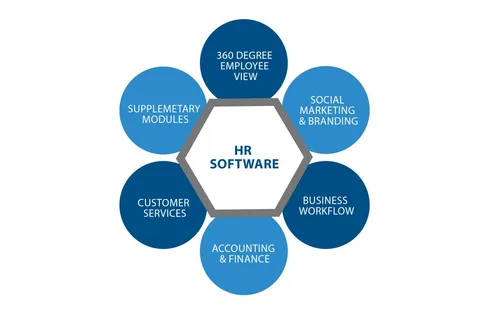
Modern businesses are no longer just managing employees—they are managing talent, engagement, and performance at scale. HR software plays a central role in this transformation by acting as the backbone of organizational operations. From hiring the right candidate to ensuring smooth exits, everything is interconnected.
For example, tools like payroll management ensure accurate salary processing, while attendance management and leave management eliminate manual tracking errors. These systems not only save time but also reduce compliance risks and improve transparency.
Key Statistics and Trends in HR Technology
Growth of HR Tech Market
The HR technology landscape is expanding at an unprecedented pace. Reports indicate that HR tech spending is increasing, with 55% of companies boosting their HR technology budgets . This surge reflects a shift in mindset—HR is no longer seen as a support function but as a strategic driver of business growth.
Another interesting insight is that software solutions now account for over 64.5% of HR tech market revenue, emphasizing the dominance of digital platforms . Businesses are moving away from fragmented tools and adopting integrated HR systems that provide a unified view of their workforce.
AI and Automation in HR
Artificial intelligence is reshaping HR in ways we couldn’t have imagined just a few years ago. In fact, 98% of organizations are accelerating AI integration in HR processes . From automated resume screening to predictive analytics, AI is making HR smarter and faster.
Even workplace data shows that AI adoption is rising rapidly, with about 50% of employees already using AI tools at work . This means HR software is no longer optional—it’s essential for staying competitive in a rapidly evolving business environment.
Core Modules of HR Software Explained
Payroll Management
Payroll is the backbone of any HR system. Without accurate payroll processing, employee trust and compliance can quickly fall apart. Modern HR software simplifies payroll by automating calculations, tax deductions, and compliance requirements.
Using payroll management tools, businesses can eliminate errors, ensure timely payments, and maintain compliance with local labor laws. This is especially critical in countries like India, where evolving labor regulations require constant updates.
Attendance and Leave Management
Tracking employee attendance manually is not just outdated—it’s inefficient. HR software automates this process through real-time tracking, biometric integrations, and mobile check-ins.
Solutions like attendance management and leave management provide a centralized system where employees can apply for leaves, managers can approve requests, and HR can monitor trends effortlessly.
Recruitment and Applicant Tracking
Hiring the right talent is one of the biggest challenges for any organization. HR software simplifies this process through automation and data-driven insights.
With recruitment management and applicant tracking systems, companies can streamline job postings, track candidates, and improve hiring efficiency. It’s like having a digital recruiter working 24/7.
Employee Onboarding and Offboarding
First impressions matter, especially in the workplace. A smooth onboarding process can significantly improve employee retention, while structured offboarding ensures compliance and knowledge transfer.
Tools like employee onboarding and employee offboarding help organizations manage these processes efficiently, reducing administrative burden and improving employee experience.
Performance and Training Management
Employee growth is directly linked to business success. HR software enables organizations to track performance, set goals, and provide continuous feedback.
Using performance management and training management tools, companies can create a culture of continuous learning and improvement.
Advanced HR Features for Modern Businesses
Employee Self-Service Portal
Imagine a workplace where employees don’t need to depend on HR for every small request. That’s exactly what self-service portals offer.
With an employee self-service portal, employees can access payslips, apply for leaves, update personal information, and track performance—all in one place.
HR Analytics and Reporting
Solutions like HR analytics software and HR reporting software enable organizations to analyze workforce trends, predict attrition, and optimize performance.
Compliance and Document Management
Compliance is a critical aspect of HR, especially with changing labor laws. HR software ensures that organizations stay compliant while managing employee records efficiently.
Tools like compliance management and document management help businesses maintain accurate records and avoid legal risks.
Workforce and Asset Management
Managing employees and company assets can be challenging, especially for large organizations.
Using workforce management and asset management, companies can track employee productivity and manage resources effectively.
Benefits of Using HR Software
Improved Productivity
HR software eliminates repetitive tasks, allowing HR teams to focus on strategic initiatives. Automation reduces errors, saves time, and increases efficiency across the organization.
Better Employee Experience
A seamless HR system improves employee satisfaction by providing transparency, accessibility, and convenience. Employees feel more engaged when processes are smooth and efficient.
Data-Driven Decision Making
With real-time insights and analytics, businesses can make informed decisions that drive growth. HR software transforms data into actionable insights, helping organizations stay ahead of the competition.
Choosing the Right HR Software
Key Factors to Consider
Selecting the right HR software is not just about features—it’s about finding a solution that aligns with your business goals. Key factors include scalability, ease of use, integration capabilities, and compliance features.
Common Mistakes to Avoid
Many businesses make the mistake of choosing HR software based solely on price. However, ignoring scalability, user experience, and support can lead to long-term challenges.
Future of HR Software
AI-Driven HR Systems
The future of HR is deeply intertwined with AI. From predictive analytics to automated workflows, AI is set to redefine how HR operates.
Employee-Centric HR Models
Organizations are shifting towards employee-centric models that prioritize engagement, well-being, and development. HR software will play a crucial role in enabling this transformation.
Conclusion
HR software is no longer just a tool—it’s a strategic asset that drives business success. With rapid advancements in technology and increasing workforce complexity, investing in the right HR software can give organizations a significant competitive advantage. From automation to analytics, the possibilities are endless, and the future looks incredibly promising.