



Last winter, my cousin struggled with her old heating system. The upstairs rooms were cold, while the living room felt too warm. No one agreed on the thermostat. She learned that one system could not heat the whole house evenly, so she switched to zoned heating. The results were clear right away. Each area stayed comfortable without wasting energy.
Many homes in Monroe face the same issue. Improving airflow with Air Duct Cleaning in Monroe, done by trusted professionals like MMI, often helps heating systems work better. Zoned heating then adds even more comfort.
What Is Zoned Heating?
Zoned heating is a system that divides your house into separate areas called “zones.” Each zone has its own thermostat. Unlike a traditional heating system that heats the entire house the same way, a zoned system lets you control the temperature in each zone independently.
For example:
- Upstairs bedrooms can be cooler at night
- The living room can stay warm during the day
- Rooms that are not in use can stay cooler to save energy
Read Also: Air Duct Sanitizing vs. Cleaning: What’s the Difference
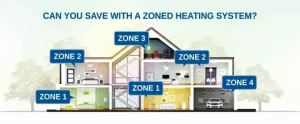
How Zoned Heating Works
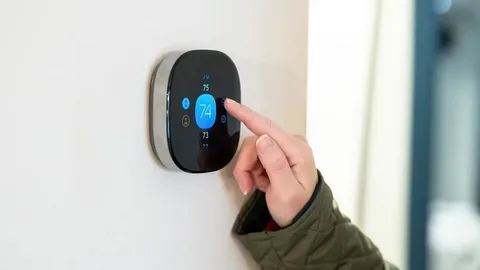
A heating system uses small doors called dampers inside your ductwork. These dampers open or close to control how much warm air goes to each zone. Each zone has its own thermostat, which tells the dampers when to open or close.
There are different types of zoned heating systems:
- Ducted Systems: Use your existing ducts with dampers to control airflow.
- Ductless Mini-Splits: Each room or area has its own heating unit and thermostat without ducts.
- Hydronic Systems: Use water pipes to control heat in radiators or underfloor heating for each zone.
Professionals can help you choose the best system for your house.
Benefits of Zoned Heating
Installing a heating system has many advantages for multi-level homes.
1. Better Comfort for Everyone
The biggest benefit is comfort. Every room can have the temperature you want. No more fighting over the thermostat. Bedrooms can be cool, living rooms warm, and your home feels just right for everyone.
2. Save Energy
Heating empty rooms wastes energy. With zoned heating, you can lower the temperature in rooms you are not using. This saves energy and reduces your electricity or gas bills.
3. Lower Heating Bills
By heating only the zones you need, your bills can be lower. Some families save 20–30% on energy costs when they use zoned heating correctly.
4. Better Control Over Your Home
Each zone has its own thermostat. You can set schedules for different rooms:
- Bedrooms cooler at night
- Living room warmer in the morning
- The home office is comfortable during work hours
This kind of control is impossible with a single-zone system.
5. Longer Life for Your Heating System
When your heating system does not have to work as hard to heat the entire house, it lasts longer. Less wear and tear means fewer repairs and a longer system life.
6. No More Hot or Cold Spots
Multi-level homes often have uneven heating. Heat rises to upper floors, leaving lower floors colder. This system of heating fixes this problem by sending the right amount of heat to each area.
7. Environmentally Friendly
Using less energy is good for the environment. Heating helps reduce your energy use while keeping your home comfortable.
Homes That Benefit Most from Zoned Heating
Not every home needs zoned heating, but it works best for:
- Multi-level houses with several floors
- Homes with big open spaces or multiple wings
- Rooms that are rarely used
- Families who want different temperatures in different areas
If your home has any of these features, zoned heating can make a big difference in comfort and energy savings. However, installing zoned heating usually requires a professional. Here’s how it works:
- Home Evaluation: A technician measures your home and decides how many zones you need.
- System Selection: Choose between ducted, ductless, or hydronic systems based on your house layout.
- Damper Installation: For ducted systems, dampers are installed to control airflow.
- Thermostat Placement: Each zone gets a thermostat in a convenient spot.
- System Testing: The technician checks that each zone works properly and efficiently.
Professional installation makes sure your system works correctly and saves energy.
Tips for Using Zoned Heating
Even after installation, how you use your system affects comfort and savings:
- Set different temperatures for day and night
- Keep doors closed in each zone to maintain airflow
- Use programmable or smart thermostats for automatic adjustments
- Check your energy bills to see how your zones are performing
- Schedule regular maintenance for dampers and thermostats
Following these tips helps you get the most out of your zoned heating system.
Common Misconceptions
Some homeowners worry about zoned heating for the wrong reasons:
- “It’s too expensive.” While it costs more initially, savings on energy bills usually cover the cost over time.
- “It’s complicated to use.” Modern thermostats and smart controls are simple to program.
- “It won’t work with my existing system.” Many existing HVAC systems can be upgraded for zoning with dampers.
Knowing the facts helps homeowners make smart decisions.
Summary
Multi-level houses often feel uneven, with some rooms too hot and others too cold. Zoned heating fixes this by giving each area its own temperature control. This improves comfort, saves energy, and lowers heating bills. The system works less, so it lasts longer and has fewer problems. Zoned heating also removes hot and cold spots and uses energy in a smart way. With proper installation, it keeps your home comfortable all year.