





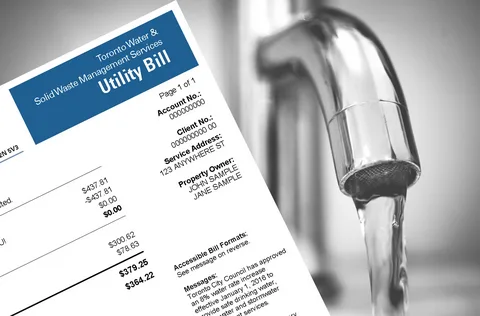
Few things cause as much confusion as a water bill that is noticeably higher than usual. For many households, the bill arrives quarterly and the increase is only spotted weeks after the problem has already been running. By that point, the question is not just what caused it, but how long it has been happening and how much water has been lost.
A sudden rise in water usage does not always mean a dramatic pipe failure. In many cases it points to a slow, concealed leak that has been present for weeks or months without producing any obvious visible signs. Understanding the most likely causes, knowing how to check for them, and recognizing when a hidden leak is the problem is the first step to resolving it.
This article covers the main reasons a water bill rises unexpectedly, explains how to check whether a leak is responsible, and sets out what to do next if a hidden fault is the likely cause.
Check a Hidden Leak Is Causing the Problem
The fastest way to identify whether a hidden leak is responsible for your rising water bill is the overnight meter test. This takes less than two minutes to set up and gives you a clear answer by the following morning.
You can also check the meter dial in real time by switching off the internal stopcock, which stops water flowing into the house, and watching the meter. If the meter still moves after the stopcock is closed, the leak is on the supply pipe between the boundary of your property and the house itself. If the meter ceases to move, the leak is located within the property.
Hidden Leaks Are Hard to Find
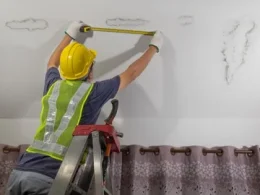
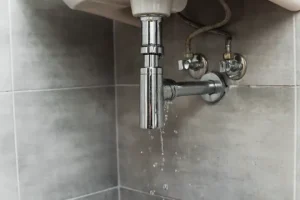
This is why attempting to find a hidden leak by opening up walls or floors without a confirmed location frequently fails. Water appears far from where the fault actually is, which means investigative opening-up work causes unnecessary damage without reliably finding the source.
Specialist leak detection avoids this problem entirely. Acoustic equipment detects the sound of water escaping from pressurized pipes. Thermal imaging cameras identify the temperature changes that moisture creates behind surfaces. Tracer gas systems trace the precise exit point of a fault beneath a floor or within a wall. Using these tools in combination, a trained specialist locates the leak accurately before any surface is opened.
Types of Leak Cause High Water Bills
Not all hidden leaks affect the water bill in the same way. The leaks most likely to produce a significant rise in measured water usage are those within the pressurized cold water supply system, where water flows continuously under mains pressure until it escapes.
- Mains supply pipe leaks: A fault in the pipe that runs from the external stopcock to the property causes continuous water loss whether or not any tap is in use. Because this pipe runs underground, it is completely invisible and can lose significant volumes before any surface sign appears.
- Internal cold water pipe leaks: Faults in pipes within walls or under floors allow mains-pressure water to escape into the building structure. The loss is continuous and the damage is progressive.
- Toilet cistern leaks: A cistern that constantly refills due to a faulty flap valve runs water into the bowl continuously. This type of leak is technically visible but easy to miss. It can add hundreds of liters to daily consumption.
- Leaking outdoor taps or irrigation systems: A tap or irrigation connection left slightly open or with a faulty seal loses water constantly. Because these are outdoors and out of sight, they are easy to overlook.
Heating system leaks, such as a fault within a sealed central heating circuit, do not usually affect the cold water bill directly because the heating system uses its own closed water volume. However, a heating leak that causes the system to draw in fresh water regularly can contribute to higher usage over time.
When Should You Call a Leak Detection Specialist?
You should arrange a specialist leak detection inspection if the overnight meter test shows movement, if your water bill has risen unexpectedly and visible causes have been ruled out, or if you have noticed damp patches, soft floors, or a musty smell alongside the billing change.
A specialist inspection gives you a confirmed location for the leak, a written report documenting the findings, and a clear basis for the repair work that follows. It avoids guesswork, prevents unnecessary structural damage, and in many cases produces the documentation needed to support a home insurance claim under the trace and access provision.
Vortex Leak Detection provides non-invasive specialist leak detection for domestic and commercial properties, including full leak detection and inspection services and professional written reports for insurance purposes.