






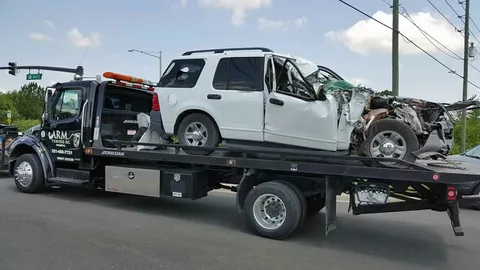
Many vehicles reach a point where they are no longer practical to keep. Some have mechanical problems, while others have been damaged in an accident or simply sit unused for months. Leaving an old car parked at home often leads to more problems as parts wear out, rust spreads, and valuable space is taken up. That is why many vehicle owners decide to sell unwanted cars Sydney rather than continue paying for a vehicle they no longer use.
If you are considering selling an old vehicle, it is worth understanding how the process works before making a decision. Knowing what documents you may need, how vehicles are assessed, and what happens after collection can help you avoid unnecessary delays and prepare with confidence. Learn more by visiting
Why Many Cars Become Unwanted
A vehicle may become unwanted for many different reasons. Sometimes it is because the cost of repairs becomes too high. In some instances, the owner has acquired a newer vehicle or no longer requires an additional car.
Common reasons include:
- Engine failure
- Transmission problems
- Accident damage
- Flood damage
- Fire damage
- Expired registration
- High maintenance costs
- Moving interstate
- Inheriting a vehicle that is no longer needed
- Purchasing a newer model
Whatever the reason, keeping an unused vehicle for a long period usually creates additional issues.
Secondary Keyword: unwanted vehicle removal Sydney
Many people searching for unwanted vehicle removal Sydney are looking for information about removing a vehicle that no longer runs or has reached the end of its useful life. Learning about the process before making arrangements helps owners understand what to expect.
Why Leaving an Old Car Sitting Can Create Problems
Many owners believe leaving a car parked will not cause further damage. Unfortunately, unused vehicles continue to deteriorate.
Battery Failure
A battery gradually loses its charge when the vehicle is not driven regularly.
Flat Tyers
Tyers lose air pressure over time and may develop permanent flat spots.
Rust Development
Moisture can cause rust to spread across the body, undercarriage, and braking components.
Fluid Breakdown
Engine oil, coolant, brake fluid, and fuel all deteriorate as time passes.
Rubber Components
Belts, hoses, and seals become brittle and may crack after long periods without use.
These problems often make an already unwanted vehicle even harder to keep.
Types of Vehicles Commonly Sold
Many people assume only running vehicles can be sold. In reality, many different vehicle types are accepted.
Running Cars
Vehicles that are still roadworthy.
Non-Running Cars
Cars with mechanical failures.
Accident Damaged Vehicles
Vehicles involved in minor or major collisions.
Scrap Cars
Cars that are beyond repair.
Unregistered Vehicles
Cars without current registration.
Commercial Vehicles
Light trucks, vans, utilities, and work vehicles.
Four-Wheel Drives
Older SUVs and 4WD vehicles are also commonly sold.
Information You Should Have Ready
Before making enquiries, gather as much information about your vehicle as possible.
Useful details include:
- Make
- Model
- Year
- Registration status
- Odometer reading
- Fuel type
- Transmission
- General condition
- Accident history
- Whether the vehicle starts
Providing accurate information helps avoid confusion later.
Documents That May Be Required
Requirements vary depending on the situation, but many owners prepare:
- Photo identification
- Proof of ownership
- Registration documents if available
- Service records
- Spare keys
Having these items ready can save time.
Preparing Your Vehicle Before Collection
Even if your vehicle no longer runs, a little preparation is worthwhile.
Remove Personal Belongings
Check every part of the vehicle, including:
- Glove box
- Boot
- Door pockets
- Centre console
- Under the seats
Remove Electronic Equipment
Remember to remove:
- Dash cameras
- Phone holders
- GPS units
- USB devices
- Chargers
Check the Number Plates
Follow the current NSW requirements regarding number plates before the vehicle leaves.
What Happens After a Vehicle Is Sold?
Many unwanted vehicles are dismantled rather than being sent directly to landfill.
The process often includes:
Inspection
The vehicle is checked to identify reusable components.
Parts Removal
Items such as engines, gearboxes, alternators, wheels, and doors may be removed if suitable for reuse.
Recycling
Materials such as steel, aluminum, copper, glass, and plastics are sorted for recycling.
Disposal
Any remaining materials that cannot be reused are disposed of according to environmental requirements.
Why Vehicle Recycling Matters
Vehicle recycling helps reduce waste and supports the reuse of valuable materials.
Some of the environmental advantages include:
- Less landfill waste
- Recovery of reusable metals
- Reduced demand for newly mined materials
- Lower energy use during metal production
- Reuse of working vehicle parts
These practices help reduce unnecessary waste while making better use of existing resources.
Common Mistakes Owners Should Avoid
Waiting Too Long
Vehicles often continue to deteriorate while sitting unused.
Forgetting Documents
Missing paperwork can delay ownership transfer.
Leaving Personal Items Behind
Many people accidentally leave important belongings inside the vehicle.
Providing Incorrect Information
Giving accurate details about the vehicle helps everyone understand its condition before collection.
Questions Worth Asking
Before arranging collection, consider asking:
- Which vehicle types are accepted?
- What documents are required?
- How is ownership transferred?
- Can non-running vehicles be collected?
- What preparation is recommended before collection?
These questions help owners understand the process more clearly.
Understanding the Selling Process
Although every situation is different, the process generally follows several simple steps.
- Contact the buyer.
- Provide vehicle details.
- Arrange collection.
- Confirm ownership.
- Complete any required paperwork.
- Finalize the transfer.
Learning More Before You Decide
If you plan to sell unwanted cars Sydney, spending time learning about vehicle preparation, documentation, recycling, and ownership transfer can help you make informed decisions. Cash for Cars Sydney offers information about vehicle purchasing, collection, and recycling services for Sydney vehicle owners.
Frequently Asked Questions
Can I sell a vehicle that no longer starts?
Yes. Many non-running vehicles can still be sold.
Does my vehicle need registration?
Registration is not always required.
Can damaged vehicles still be collected?
Many damaged vehicles can still be collected depending on their condition.
Should I repair my vehicle before selling?
Repairs are not always necessary and depend on your circumstances.
What happens to recyclable materials?
Metals, plastics, glass, and many vehicle components are separated and processed for future use.
Conclusion
Old vehicles rarely become more useful by sitting unused. Instead, they often develop additional mechanical issues, rust, battery failure, and Tyre damage while continuing to occupy valuable space. Understanding the selling process allows owners to prepare their documents, remove personal belongings, and know what information buyers usually require.
Whether your vehicle is running, damaged, unregistered, or no longer repairable, taking the time to understand the available options help you make informed decisions. A little preparation before selling can make the entire process much easier and help avoid unnecessary delays.