






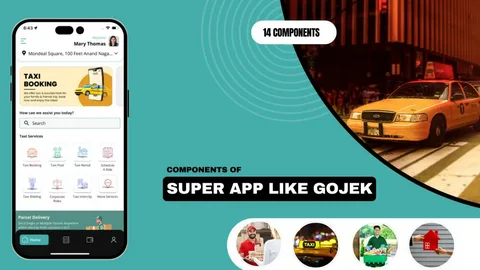
In today’s fast-paced digital world, multi-service platforms like Gojek have revolutionized how consumers access a wide range of services. From ride-hailing to food delivery, and even financial transactions, Gojek offers an all-in-one app that meets diverse consumer needs. As many entrepreneurs look to emulate this successful business model, understanding the complexities of Gojek app development is essential. Whether you’re a first-time entrepreneur or a seasoned developer, this guide will walk you through the steps of creating a robust, multi-service app that meets today’s consumer demands.
Understanding the Gojek Business Model
Overview of Gojek’s Services
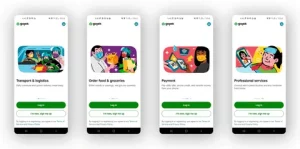
Gojek isn’t just one service; it’s an entire ecosystem of on-demand services. Whether users need a ride, food delivered, or a payment made, Gojek simplifies life by bringing everything to a single platform. This variety is key to the app’s success, as users can seamlessly access multiple services from the same platform.
Revenue Streams and Pricing Models
Gojek capitalizes on a diverse set of revenue streams. From commission fees and service charges to subscriptions and strategic advertising partnerships, the app generates income on many fronts. Providers pay commissions on transactions, and advertising opportunities within the platform enhance Gojek’s revenue.
Key Success Factors
For a multi-service app like Gojek to thrive, success hinges on several key factors: user engagement, seamless user experience, and solid partnerships with service providers. Trust, safety, and a well-timed launch are also essential. A well-executed launch in the right market, along with a reliable service, can quickly lead to success.
Market Research and Competitive Analysis
Identifying the Target Audience
Before developing an app, it’s vital to identify who your target audience is. Are they busy professionals looking for convenience, students seeking affordability, or families needing a variety of services? Tailoring your services to these needs will help refine your marketing and product development strategies. Conduct surveys or gather feedback to understand your users’ pain points and expectations.
Analyzing Competitors
Researching competitors is crucial. You need to know what other apps in your market, like Grab or Uber, are offering. Understand their strengths and weaknesses. This will help you find a unique selling point (USP) that will make your app stand out. Knowing your competitors inside and out will give you the insights needed to attract users and retain them.
Market Trends and Opportunities
Stay ahead of the curve by analyzing emerging trends. The on-demand service sector evolves quickly, with tech innovations and shifting consumer preferences at play. Trends like sustainability and hyperlocal services can offer new growth opportunities. By staying updated on the latest developments, you can pivot your app to align with user demand and industry changes.
Defining Core Features and Services
Essential Features for Users
Your app’s success depends on a clean, intuitive user interface. Focus on user-friendly features such as easy registration, multiple payment options, and real-time service tracking. Push notifications and ratings help users stay informed and trust your service. The more seamless and accessible the experience, the more likely users will keep coming back.
Service Provider Features
Your app should also provide robust tools for service providers. Features like an intuitive dashboard, job management, and communication tools will make it easier for service providers to accept or decline jobs. Offering training resources can also improve their performance and user satisfaction.
Admin Panel and Analytics
An effective admin panel is the backbone of your app. It allows you to monitor the platform’s operations, track user engagement, and manage providers. With advanced analytics tools, you can gain insights into performance metrics like revenue, user behavior, and service demand. This data helps optimize the app and improve the user experience.
Choosing the Right Technology Stack
Front-end Development Technologies
The front-end development of your app shapes its user experience. Using frameworks like React or Angular can help create an intuitive and responsive interface. For mobile apps, Swift for iOS and Kotlin for Android are excellent choices. A smooth, user-friendly interface will keep users engaged and help your app succeed.
Back-end Development Technologies
The back-end is where all the functionality happens. Opt for frameworks like Node.js or Ruby on Rails for quick, efficient operations. RESTful APIs enable seamless communication between the front-end and back-end, ensuring that the app operates smoothly without lag.
Database and Hosting Solutions
Choose a reliable database solution such as MySQL, PostgreSQL, or MongoDB. These systems help store large amounts of data securely. For hosting, cloud services like AWS or Google Cloud offer scalability and flexibility, ensuring your app can grow alongside its user base.
Designing User-Friendly Interfaces
Principles of UI/UX Design
User experience (UX) is paramount when designing your app. Focus on simplicity, consistency, and feedback. The app should have a clean, intuitive layout with easy navigation. Clear call-to-action buttons and responsive design elements will enhance the user experience.
Wireframing and Prototyping
Wireframing helps map out the structure of your app before diving into full design. It gives you a visual representation of how the app will function. Tools like Figma and Sketch allow you to create wireframes and prototypes to test the app’s flow and functionality.
Responsive Design Considerations
With a variety of devices in use, your app must be responsive. This ensures it looks good on any screen size, whether it’s a smartphone, tablet, or desktop. Use flexible grids, adaptable images, and CSS media queries to make the app responsive and user-friendly across devices.
Development Process and Methodologies
Agile vs. Waterfall Methodologies
The development methodology you choose will determine how your team works. Agile allows for flexibility, enabling the team to adjust based on feedback and iterative testing. Waterfall, in contrast, is a more linear process where each phase is completed before moving on to the next. Choose the methodology that best fits your project’s needs.
Setting Up a Development Team
Building a strong team is crucial to the success of your app. A mix of developers, designers, and project managers is needed to tackle various aspects of the project. Fostering communication and collaboration among the team will ensure that the development process runs smoothly.
Project Management Tools
To keep the project on track, use tools like Trello, Asana, or Jira. These tools help manage tasks, set deadlines, and track progress, ensuring that everyone stays aligned and the project stays on schedule.
Testing and Quality Assurance
Types of Testing
Before launching your app, thorough testing is essential. Conduct functional testing to ensure all features work correctly, usability testing to check the user experience, and performance testing to verify that the app performs well under pressure.
Automated vs. Manual Testing
Automated testing can quickly cover many scenarios, while manual testing brings human insight. Using both methods ensures comprehensive testing that catches both technical and usability issues.
Bug Tracking and Resolution
Implement a bug tracking system to document, prioritize, and resolve issues quickly. Tools like Bugzilla or Jira can help track bugs and ensure that your app is bug-free when it launches.
Marketing and Launch Strategies
Pre-launch Marketing Tactics
Create buzz before your launch with a solid marketing campaign. Use social media, email newsletters, and teaser content to generate interest. Building a landing page for email sign-ups is a great way to build anticipation and ensure you have an audience waiting for your app’s release.
Launch Day Activities
On launch day, engage with your audience through live events or social media. Offer incentives like discounts or exclusive access for early adopters. This creates excitement and can help drive downloads and user engagement right from the start.
Conclusion
Developing a Gojek-like multi-service app requires careful planning, robust features, and a seamless user experience. From market research to technology selection and marketing strategies, following these steps will help you build an app that attracts users and grows your business. Whether you’re a first-time entrepreneur or a seasoned developer, this guide provides the essential roadmap to success in creating a competitive multi-service app.