



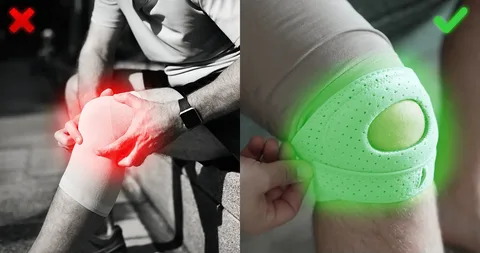
Knee pain and instability can disrupt daily life, causing discomfort and limiting mobility. Whether due to an injury, arthritis, or recovery after surgery, the knee joint’s complex structure requires proper care and support. Fortunately, a knee support brace can make a world of difference, offering pain relief, improved stability, and increased confidence in your movements. Bodyassist, a trusted brand in medical support products, provides high-quality knee braces designed to alleviate pain and support joint health. In this article, we will dive into how a knee support brace works, its benefits, and how it can enhance your overall well-being.
Understanding Knee Pain and Instability
Knee pain can stem from various conditions, including:
- Injuries: Sprains, strains, or tears in the ligaments or tendons can cause pain and instability.
- Arthritis: Inflammation of the knee joint can lead to chronic pain and stiffness.
- Post-Surgical Recovery: After knee surgery, recovery can be challenging, and stability may be compromised.
Without proper support, these issues can worsen over time, limiting your ability to perform simple activities such as walking, climbing stairs, or standing for long periods.
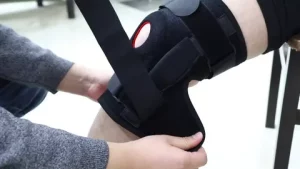
How a Support Brace Knee Can Help
A support brace knee is specifically designed to provide external stabilization for the knee joint, reducing pain and improving stability. The benefits of using a knee brace are numerous:
1. Pain Reduction
A knee support brace helps alleviate pain by redistributing pressure away from the injured or inflamed areas of the knee. This can significantly reduce discomfort during various activities, including walking, exercising, or climbing stairs. For those with arthritis or recent injuries, a knee brace provides much-needed relief, allowing them to go about their day with less pain.
2. Improved Stability
Stability is one of the most important aspects of knee health. A knee brace helps to stabilize the joint, ensuring that the knee remains aligned during movement. This added support prevents sudden twists or jerky motions that could lead to further injury or discomfort. For individuals with weakened or injured ligaments, a brace is invaluable in reducing the risk of falls or additional strain.
3. Post-Injury Support
After an injury or surgery, the knee is vulnerable to further damage. A support brace limits the range of motion, preventing movements that could disrupt the healing process. This makes it an essential tool during recovery, ensuring the knee is properly supported while allowing for gradual strengthening and healing.
4. Enhanced Confidence
When you wear a knee support brace, you gain confidence in your movements. The brace offers both physical and psychological support. Knowing that your knee is protected from further injury allows you to stay active and engage in day-to-day activities without fear or hesitation.
Using a Knee Support Brace Effectively
For a knee brace to work optimally, it’s important to use it correctly. Here are some key tips for getting the most out of your knee support brace:
1. Choose the Correct Size
A properly fitting knee brace is crucial for comfort and effectiveness.
2. Positioning the Brace
Place the brace so that it aligns with the knee joint. It should cover the area of pain or weakness while offering support to both the front and sides of the knee. Ensuring that the brace fits correctly will enhance its ability to support the joint effectively.
3. Wear It During Strenuous Activities
A knee support brace is most beneficial when worn during activities that put strain on the knee. These can include walking, running, exercising, or climbing stairs. Make sure to remove the brace when resting or sleeping unless otherwise advised by your healthcare provider.
4. Follow Your Doctor’s Guidance
While a knee brace offers great benefits, it is essential to follow your healthcare provider’s advice. After an injury or surgery, your doctor will guide you on how long to wear the brace and when to start exercising or physical therapy.
Connecting Knee Stability with Hernia Support
Interestingly, knee stability is closely linked to overall body strength, especially core strength. Weakness in the core muscles or postural issues can increase strain on the lower body, including the knees. For individuals dealing with a hernia, using devices like a hernia truss or hernia support truss can help stabilize the abdominal area, which in turn can benefit knee alignment during movement.
- Hernia Truss: This device helps hold the hernia in place, reducing discomfort and protecting the abdominal area during activity.
- Hernia Support Truss: This provides gentle compression and stabilization to the abdominal muscles, which can reduce strain on the lower body and, by extension, protect the knees.
Using both a knee support brace and a hernia truss in combination can improve overall mobility, ensuring that both the knee and abdominal region are adequately supported during movement.
Tips for Maintaining Knee Health
While a knee brace is an excellent tool for recovery, prevention is key. Here are some tips to maintain healthy knees:
1. Exercise Regularly
Regular exercise helps keep the muscles around the knee strong. Low-impact exercises such as swimming, cycling, and walking are ideal for knee health. Strengthening the muscles that support the knee reduces the risk of injury and can alleviate pain.
2. Maintain a Healthy Weight
Excess weight places additional stress on your knees, which can accelerate wear and tear. Maintaining a healthy weight is essential for protecting your knee joints and preventing discomfort.
3. Use Proper Techniques
Whether lifting, bending, or exercising, always use proper posture and body mechanics. This reduces the risk of knee strain and injury. If you’re unsure of proper technique, consider working with a physical therapist or trainer.
4. Consult a Healthcare Provider
If knee pain or instability persists, it’s important to seek professional advice. A healthcare provider can evaluate your condition, conduct imaging tests, and recommend the best course of action, whether that’s a brace, therapy, or surgery.
Frequently Asked Questions
Q: Can a knee support brace prevent surgery?
A: While a knee support brace can provide pain relief and support healing, it cannot replace medical treatment. Depending on the severity of the injury or condition, surgery may still be required.
Q: How long should I wear my knee brace each day?
A: It depends on the nature of your injury or condition. Typically, you should wear your knee brace during activities that put strain on your knee. Always follow your doctor’s instructions, especially after surgery.
Q: Can I wear a hernia truss with a knee brace?
A: Yes, you can wear both a hernia truss and a knee brace at the same time. These devices target different areas of the body, helping to improve overall comfort and mobility.
Q: Are knee braces adjustable for different body types?
A: Yes, many knee braces, including those from Bodyassist, are adjustable. They come with straps and fasteners to ensure a comfortable and secure fit for a variety of body types.
Conclusion
A support brace knee is a valuable tool for managing pain, improving stability, and maintaining mobility, especially for those with knee injuries, arthritis, or recovering from surgery. When combined with other supportive devices like a hernia truss, it can provide comprehensive support, making daily activities more comfortable and safer. With the right knee support brace, you can continue to lead an active lifestyle while protecting your joints and aiding in recovery.
Choosing a high-quality knee brace from trusted brands like Bodyassist ensures that you’re investing in both your health and comfort. So, whether you’re recovering from an injury or simply want to prevent knee strain, a support brace knee is a practical solution to keep you moving with confidence.