






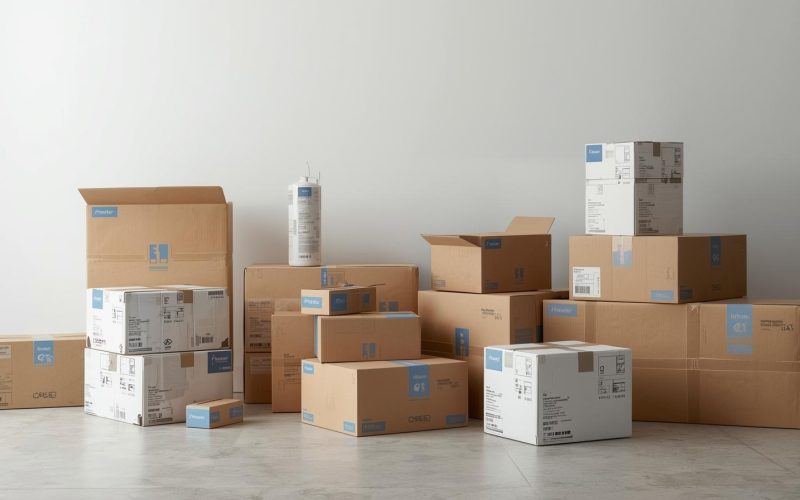
Packaging is more than just a protective layer for products; it is a key element that influences customer perception, brand identity, and product functionality. In a bustling business hub like Austin, companies are increasingly seeking innovative packaging solutions to stand out in a competitive market. The right packaging not only ensures product safety but also communicates a brand’s values, attracts consumers, and improves overall efficiency.
Austin’s business landscape is diverse, ranging from small startups to large-scale manufacturers, each requiring tailored packaging approaches. Whether it is retail products, food items, electronics, or specialty goods, the choice of packaging materials, design, and process can significantly impact the success of a product in the marketplace.
Understanding the Importance of Packaging in Modern Businesses
Packaging serves multiple functions beyond the obvious protective role. Firstly, it ensures the safe transportation of goods from the manufacturer to the consumer, preventing damage and contamination. Secondly, it acts as a silent marketing tool; packaging design, color schemes, and labeling often influence purchasing decisions subconsciously. Thirdly, effective packaging can enhance operational efficiency by simplifying storage, transportation, and handling.
In Austin, businesses are increasingly aware that sustainable packaging is no longer optional. With growing environmental concerns, companies are adopting eco-friendly materials and processes that reduce waste and carbon footprint, while still delivering an appealing product presentation. This shift not only satisfies customer expectations but also aligns with broader corporate social responsibility goals.

Types of Packaging Solutions Commonly Used in Austin
Retail and Product Packaging
Retail products require packaging that balances visual appeal with practicality. In Austin, many businesses prefer packaging that highlights product features, incorporates brand identity, and complies with safety regulations. Common types include cardboard boxes, custom printed containers, flexible pouches, and blister packs. Each type has unique advantages; for example, flexible pouches offer portability and convenience, while rigid boxes provide durability and premium appeal.
Food Packaging Solutions
Industrial and Bulk Packaging
For manufacturers and logistics companies in Austin, bulk and industrial packaging is crucial. This encompasses sturdy crates, pallets, and shrink wrap created for managing sizable shipments. Industrial packaging focuses on durability, ease of handling, and cost efficiency. Companies often work with local experts to select materials that optimize transport safety while minimizing storage space requirements.
E-commerce Packaging
With the rise of online shopping, e-commerce packaging has become increasingly important in Austin. Packages must protect products during transit, provide an unboxing experience, and promote brand recognition. Many businesses now invest in customized shipping boxes, branded tape, and protective inserts. Sustainable options, such as recyclable mailers or biodegradable cushioning, are also gaining popularity to meet eco-conscious consumer expectations.
Factors Influencing Packaging Choices
Several factors determine the choice of packaging for any business. Product type, target market, shipping requirements, and budget are critical considerations. In addition, legal regulations and industry standards often dictate packaging materials and labeling practices. Businesses in Austin often collaborate with packaging specialists to navigate these factors effectively.
Material Selection
Selecting the right material is essential for balancing cost, functionality, and sustainability. Cardboard, corrugated paper, plastics, metals, and glass are common materials, each suited to different product types. For instance, fragile items benefit from shock-absorbing materials, while perishable goods require temperature-resistant packaging.
Design and Branding
Packaging design plays a central role in attracting customers and conveying brand identity. From color schemes to typography and imagery, every detail can influence consumer perception. In Austin, where competition is high, unique and visually appealing designs help products stand out on store shelves and online platforms.
Sustainability Considerations
Eco-friendly packaging has become a priority for businesses of all sizes. Materials such as recycled paper, biodegradable plastics, and reusable containers not only reduce environmental impact but also enhance brand reputation. Consumers increasingly favor brands that demonstrate environmental responsibility, making sustainable packaging both an ethical and strategic choice.
Advanced Packaging Technologies in Austin
Innovation in packaging technology continues to shape how businesses operate. Automation, smart labeling, and digital printing have transformed traditional packaging processes, offering efficiency, precision, and customization.
Automated Packaging Systems
Automated systems streamline repetitive tasks such as filling, sealing, and labeling, reducing labor costs and human error. Austin-based companies often invest in automated machinery to maintain consistent quality and increase production speed, especially in industries with high-volume output.
Smart Packaging and Tracking
Smart packaging solutions integrate technology such as QR codes, RFID tags, and sensors to provide real-time tracking, authenticity verification, and customer interaction. These systems are particularly useful for supply chain management, product traceability, and marketing engagement.
Custom Printing and Personalization
Personalized packaging allows businesses to create a unique customer experience. Digital printing technologies allow for vivid colors, complex designs, and personalized data printing. Austin businesses leverage these capabilities to create limited edition packages, promotional items, or brand-specific designs.
Challenges Faced by Packaging Companies
Despite advancements, the packaging industry in Austin faces several challenges. Rising raw material costs, supply chain disruptions, and regulatory compliance requirements are ongoing concerns. Additionally, balancing sustainability goals with cost-effectiveness can be complex. Companies must continuously innovate and adapt to meet customer demands while maintaining operational efficiency.
Role of Local Experts in Packaging Austin
Local experts play a crucial role in helping businesses navigate the complexities of packaging. Companies like Attapack provide comprehensive services, from material selection and design to logistics and sustainability consulting. Their expertise ensures that products not only reach consumers safely but also leave a lasting impression through thoughtful design and quality packaging.
Future Trends in Packaging
The future of packaging in Austin is shaped by technology, sustainability, and consumer expectations. Biodegradable and reusable materials will become standard, while smart packaging solutions will enhance supply chain efficiency and customer engagement. Companies are also exploring minimalistic and functional designs that reduce waste without compromising product protection.
Best Practices for Effective Packaging
Implementing best practices ensures packaging achieves both functional and marketing goals. Businesses should prioritize quality, consistency, and sustainability, while regularly reviewing industry trends and consumer feedback. Collaborating with experienced local providers ensures packaging solutions are tailored to each product’s unique needs.
Conclusion: Enhancing Business Success Through Thoughtful Packaging
Packaging is a critical component of a product’s success in Austin’s competitive market. By investing in innovative materials, effective design, and sustainable practices, businesses can protect their products, communicate their brand, and create memorable consumer experiences. Thoughtful packaging solutions, guided by experts, pave the way for operational efficiency, brand differentiation, and long-term growth.