




Buildings and infrastructure face constant stress throughout their lifespan. Factors such as aging, environmental exposure, heavy loads, seismic activity, and poor maintenance can weaken structural elements over time. When this happens, property owners and engineers must find reliable solutions to restore strength without resorting to complete demolition.
One of the most effective structural rehabilitation techniques available today is concrete jacketing. This method helps reinforce existing structures, increase load-bearing capacity, and extend service life. Whether it involves RCC jacketing, column jacketing service, or beam jacketing, the process provides a practical and cost-effective way to improve structural performance.
As construction standards continue to evolve, concrete jacketing has become a preferred choice for strengthening residential buildings, commercial properties, industrial facilities, bridges, and public infrastructure.
What Is Concrete Jacketing?
Concrete jacketing is a structural strengthening technique used to enhance the performance of existing concrete members. The process involves adding an extra layer of reinforced concrete around structural components such as columns, beams, and walls.
This additional concrete layer is combined with steel reinforcement bars, creating a stronger structural section that can handle increased loads and resist future damage. The new jacket works together with the original structure, forming a unified and more durable member.
Engineers commonly recommend RCC jacketing when buildings show signs of deterioration, cracking, corrosion, or when owners plan to add extra floors or heavier equipment.
Why RCC Jacketing Is a Popular Strengthening Solution
RCC jacketing remains one of the most widely used structural repair methods because it offers both efficiency and long-term reliability. Instead of demolishing and rebuilding damaged sections, engineers can restore strength while preserving the existing structure.
Some key advantages include:
- Improved structural capacity
- Enhanced durability
- Better earthquake resistance
- Cost-effective rehabilitation
- Minimal disruption during repairs
- Increased lifespan of structures
Because of these benefits, RCC jacketing is frequently used in residential, commercial, and industrial projects where structural upgrades are necessary.
Benefits of Concrete Jacketing Services
Concrete jacketing provides numerous advantages that make it a preferred strengthening technique across various industries. One major benefit is increased load-bearing capacity. As buildings expand or operational demands increase, existing structural members may require additional strength. Concrete jacketing enables columns and beams to support heavier loads safely.
Another important advantage is improved resistance to environmental damage. Exposure to moisture, chemicals, temperature fluctuations, and pollution can gradually weaken concrete structures. The protective jacket helps shield the original member from further deterioration.
Additionally, concrete jacketing improves seismic performance. Buildings located in earthquake-prone areas often require reinforcement to withstand lateral forces. Strengthened structural elements can better absorb and distribute these forces, reducing the risk of failure.
Column Jacketing Service for Structural Stability
Columns are among the most critical components of any building. They transfer loads from floors and roofs directly to the foundation. When columns become damaged or weakened, the entire structure may be at risk.
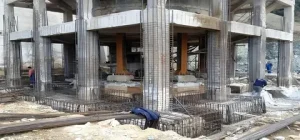
Column jacketing service focuses on restoring and enhancing column strength through the addition of reinforced concrete and steel reinforcement. This process increases the column’s cross-sectional area, allowing it to carry greater loads while improving overall stability.
Column jacketing is commonly used in:
- Aging buildings
- Structures with visible cracks
- Buildings undergoing renovation
- Earthquake-damaged properties
- Industrial facilities carrying heavy loads
By reinforcing existing columns, property owners can avoid expensive reconstruction while maintaining safety and structural integrity.
Beam Jacketing for Enhanced Load Distribution
Beams play an equally important role in structural systems. They support slabs, distribute loads, and transfer weight to columns. Over time, beams may develop cracks, experience deflection, or lose strength due to excessive loading and environmental factors.
Beam jacketing strengthens these horizontal members by encasing them with additional reinforced concrete. This process increases their capacity to resist bending, shear forces, and structural stress.
Benefits of beam jacketing include:
- Improved load distribution
- Increased structural stiffness
- Reduced cracking and deflection
- Enhanced durability
- Lower maintenance requirements
As a result, older structures can safely accommodate increased occupancy, machinery, or additional construction loads.
When Is Concrete Jacketing Necessary?
Several warning signs indicate that concrete jacketing may be required. Ignoring these signs can lead to costly repairs and potential safety hazards.
Common situations where concrete jacketing is recommended include:
- Cracks in beams or columns
- Concrete spalling or surface deterioration
- Corrosion of reinforcement steel
- Structural damage from earthquakes
- Building expansion projects
- Increased load requirements
- Compliance with updated building codes
Early intervention often prevents minor damage from becoming a major structural problem.
The RCC Jacketing Process
The RCC jacketing process follows a systematic approach to ensure long-lasting results.
- First, engineers conduct a structural assessment to identify damaged areas and determine strengthening requirements. This evaluation helps establish the appropriate reinforcement design.
- Next, workers remove loose or damaged concrete and clean exposed reinforcement bars. Proper surface preparation is essential for creating a strong bond between old and new materials.
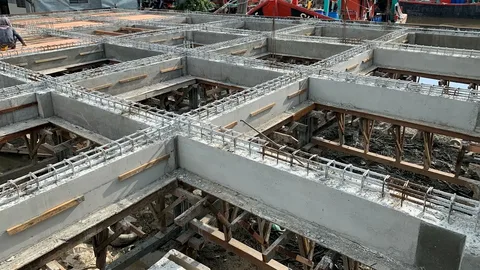
- After preparation, additional steel reinforcement bars are installed around the existing structural member. Formwork is then placed to create the desired jacket shape.
- High-strength concrete is poured into the formwork, completely encasing the original member and reinforcement. Once the concrete cures, the new jacket becomes an integral part of the structure.
The result is a stronger, more durable component capable of handling increased loads and resisting future deterioration.
Materials Used in Concrete Jacketing
The success of concrete jacketing depends heavily on material quality.
Key materials include:
- High-strength concrete
- Reinforcement steel bars
- Epoxy bonding agents
- Corrosion-resistant coatings
- Specialized repair mortars
Modern concrete formulations offer superior durability, while advanced bonding materials improve integration between existing and newly added concrete.
Using premium materials ensures long-term structural performance and minimizes maintenance requirements.
Cost-Effective Alternative to Reconstruction
One of the biggest advantages of concrete jacketing is its affordability compared to full reconstruction. Demolishing and rebuilding structural components often involves significant expenses, lengthy downtime, and operational disruptions.
Concrete jacketing provides a practical alternative by preserving existing structures while improving performance. Property owners can strengthen buildings, accommodate future expansion, and extend service life at a fraction of replacement costs.
This makes RCC jacketing an attractive investment for both private and commercial property owners.
Right Concrete Jacketing Service Provider
The effectiveness of any strengthening project depends on the expertise of the contractor. Choosing a qualified concrete jacketing service provider is essential for achieving safe and reliable results.
When selecting a service provider, consider:
- Industry experience
- Structural engineering expertise
- Quality materials
- Project portfolio
- Compliance with safety standards
- Customized strengthening solutions
Experienced professionals can assess structural conditions accurately and recommend the most effective strengthening strategy.
Conclusion
Concrete jacketing services offer an effective solution for restoring and enhancing the strength of aging, damaged, or overloaded structures. Whether through RCC jacketing, column jacketing service, or beam jacketing, this technique improves structural capacity, increases durability, and extends building life without the need for complete reconstruction.
As infrastructure continues to age and construction demands increase, concrete jacketing remains one of the most reliable and cost-efficient methods for structural rehabilitation. By investing in professional strengthening solutions, property owners can ensure long-term safety, improved performance, and lasting structural stability for years to come.