




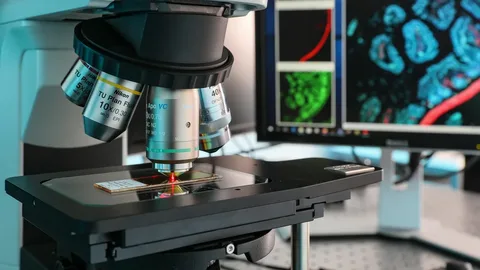
You might be wondering what makes microscopes important for medical diagnosis. Laboratory microscopes help healthcare workers and professionals to observe minute organisms and structures within cells and tissues, ensuring early detection of multiple diseases.
Clinical microscopy makes it possible to identify pathogens, blood disorders, and cancer cells, enabling timely and accurate diagnosis.
Wanna know different types of microscopes instrumental in this process? This article sheds light on various aspects that make them the right choice for each procedure.
Why is a Microscope Important for Medical Diagnosis?
A lab microscope offers a detailed view into minute structures that cannot be seen with the naked eye. When doctors examine blood samples, biopsies, and microbe cultures, these tools offer the required clarity to diagnose disease at its earliest stage, enabling proper treatment as soon as possible.
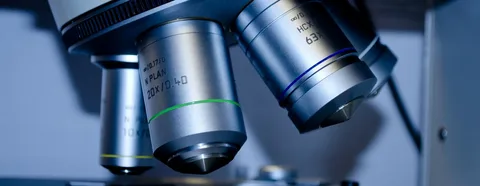
Types of Microscopes That are Found in Medical Labs
Technicians and researchers in the medical field have various microscopes and imaging devices that meet every diagnostic requirement.
These microscopes include:
- Lab Microscope:
Laboratories across the world often rely on compound light microscopes to view stained blood or tissue slides in a clear and reliable way.
- Advanced Laboratory Microscope:
Specialized microscopes like electron or fluorescence microscopes reveal structures and organisms present inside the cells or even the details of viruses and other particles.
- Light Microscopy:
It is a basic tool that is used to see stained cells or microbes with the help of light and lenses to magnify specimens effectively.
- Fluorescence Microscope:
This type of microscope uses glowing dyes to mark particular parts within a cell to help in spotting infection agents as soon as possible.
- Phase Contrast Microscopy:
A phase contrast microscope helps the lab staff view cells or tissues without any staining. It further allows fragile samples to stay intact.
- Digital AI Microscopy:
A digital microscope will capture and run images with an image processing software that is helpful in counting cells or recognizing abnormal features automatically.
How These Microscopes Help in Early and Accurate Disease Detection?
Microscopes in diagnostics help in disease detection by showing tissue and cell structure under magnification. Pathologists look at biopsy slides to recognize inflammation, tumors, and other signs of different diseases.
A standard lab microscope will be helpful in spotting cancer cells and determining the type and severity of the cancer. In hematology, blood smear examination reveals malaria parasites, anemia, or blood cancer by showing differences in count and cell shapes. These findings will help doctors plan the correct treatment as soon as possible.
Here’s how these microscopy do so:
-
Detecting Infections and Microbial Problems:
Lab microscopes are important in finding parasites, bacteria, fungi, and viruses in samples like sputum, wound fluids, or urine. With staining, you’ll be able to make germs stand out under the lens. This further allows technicians to understand the kind of infection there.
Based on these observations, doctors will choose the right therapy and antibiotics. This is how infections like malaria, tuberculosis, urinary tract infections, or fungal diseases are recognized and managed with care.
-
Supporting Cellular and Genetic Research:
Medical teams researching genetic conditions use microscopy technique to view chromosomes and monitor abnormalities and cell division. These observations are helpful in diagnosing inherited conditions, tracking cancer positions, and studying cell behavior.
In research labs, microscopes help scientists observe cell cultures, witness the development of stem cells, and study pathogens at a single-cell level. These users support both clinical diagnostics and biomedical research discoveries.
-
Improving Accuracy With Modern Tools:
Smart digital microscopy systems that are combined with AI can be helpful in improving accuracy to the next level. They come with automatic focus, stain enhancement, and image capture, which is helpful in research.
AI softwares can analyze whole slide images to highlight abnormal areas and count cells, which expedites the results and reduces error. Furthermore, these digital systems are also helpful in supporting diagnosis from remote experts, ensuring timely and accurate reporting.
-
Regular Use Across Lab Departments:
Medical technicians use microscopes across multiple shifts in microbiology, hematology, urine sediment analysis, body fluid examination, and testing conducted in blood banks.
Technicians in the hematology department count red and white blood cells. In micro labs, these microscopes recognize pathogens. They also assess crystals or yeasts in urinalysis.
Furthermore, in blood banks, they inspect reactions due to agglutinations. This daily use highlights how important microscopes are to laboratory sciences and patient care.
Advantages of Lab Microscopy
Lab microscopes are beneficial in many ways, such as:
- Early detection of diseases for faster treatment.
- Accurate results for the right treatment and care.
- Properly studying bacteria and other agents that cannot be seen with the naked eye.
To Summarize
Clinical microscopy has a lot of advantages when it comes to medical sciences. Not only does it help with research and studies, but it also helps in early detection of diseases, which further helps in choosing the right treatment and care at the earliest.
Most importantly, these microscopes are helpful in monitoring various aspects of blood stains and tissues, which will further help healthcare professionals ensure that the treatment is on the right track or make changes if required. This way, microscopes are important for medical purposes.