





Traveling to Austria is a dream of many international tourists, thanks to its wonderful Alpine landscapes, historical cities, the classical music heritage, as well as excellent infrastructure organization.
However, before planning your trip, it is important to have a good idea of the requirements for the Austria visa, the rules for travel and the cultural expectations. Austria is included in the Schengen Area, which means that travelers should be subject to certain visa and entry requirements.
Knowing about these vital details before you head out will help you have a smooth and memorable journey through Austria.
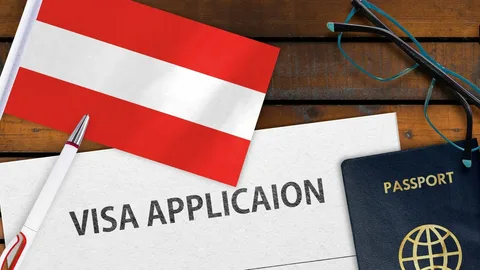
Understanding Austria Tourist Visa
The Austria tourist visa is a short stay Schengen visa that allows travelers to stay in Austria up to 90 days in any 180 day period.
This visa is good for tourism, sightseeing, visiting friends or family and attending cultural events. With an Austria tourist visa, one can also travel to other Schengen countries, as long as Austria is the main destination or the first point of entry.
Applicants will be required to provide documents including a valid passport, travel itinerary, hotel bookings, travel insurance, proof of funds and a cover letter explaining the purpose of travel.
Applying well in advance is highly recommended as visa processing times may vary depending on the time of the year and the location of the applicant.
Best Time to Visit Austria
Austria is a year-round destination, but the best time for visiting it depends on the traveler’s purpose. Summer (June to September) is perfect for sightseeing, city tours, and outdoor activities (e.g. hiking and cycling).
Winter (December to February) is ideal for skiing and strolling the Christmas markets, particularly in cities like Vienna and Salzburg.
Austria Visa applicants should plan their travel dates carefully and ensure that their itinerary is in accordance with the planned travel season specified in the visa application. Mismatched travel dates can cause apprehension while assessing the visa.
Entry Rules and Border Control
Even after obtaining an Austria visa, the travelers must follow the Schengen entry requirements.
Immigration officers at the port of entry may ask for documents including hotel confirmations, return flight tickets, proof of funds and travel insurance. It is important to have a digital copy of these documents as well as a printed copy.
The passport should be valid for at least three months after the scheduled departure date from the Schengen Area and must have at least two blank pages.
Currency, Payment & Budget Planning
The official currency of Austria is the Euro (EUR). Credit and debit cards are widely accepted, though it is a good idea to carry some cash when making small purchases, going to local markets and taking public transport in smaller towns.
Austria can be moderately expensive, especially in major cities and tourist destinations.
Travelers should budget their money to include accommodation expenses, meal expenses, transportation expenses, and expenses for sightseeing. Demonstrating realistic financial planning is also good for a strong Austria visa application.
Getting Around: Transportation
Austria has one of the most effective public transportation systems in Europe. Trains, trams, buses and metro systems link up cities and towns perfectly. The Austrian Federal Railways (OBB) has reliable and scenic train travel throughout the country.
Tourists can also use regional passes or city travel cards to save money. Renting a car is an option for the traveler exploring alpine regions, but public transport will be adequate for most itineraries.
Accommodation Regulations for Tourists
When traveling on an Austria tourist visa, accommodation information is very important. Visitors should stay in registered hotels, hostels, guesthouses or private places with valid booking confirmations. If staying with friends or family, an invitation letter may be required.
Make sure that details of accommodation are covered in the travel itinerary submitted as part of the visa application process to prevent any complications at immigration.
Cultural Etiquette and Local Laws
Austrians are punctual, polite, and respectful of rules. Tourists are expected to respect local laws, such as smoking regulations, rules of public behavior, and environmental rules. Littering and jaywalking may be fined.
Learning a few basic German phrases is appreciated although English is widely spoken in tourist areas. It is also recommended that one dresses modestly when visiting churches or cultural sites.
Travel Insurance and Health Care
Travel insurance is required as a mandatory requirement for an Austria tourist visa and should cover a minimum of EUR30,000 in medical expenses.
Healthcare services in Austria are excellent but can be expensive for non-residents. Carry your insurance documents with you at all times and know emergency contact numbers.
Schengen Travel Rules to Keep in Mind
Austria is subject to the Schengen 90/180 rule, which means that one can not stay longer than 90 days within any 180 days period in all Schengen countries combined. Overstaying can lead to fines, deportation or visa bans in the future.
If you are planning to visit several Schengen countries, Austria will have to be mentioned as your primary destination in your visa application.
Conclusion:
Traveling to Austria on a tourist visa is a chance to make unforgettable experiences ranging from imperial palaces to quaint old towns and breathtaking alpine scenery.
Understanding visa rules, entry requirements, customs, and travel planning essentials is a key to a hassle-free journey. By ensuring your documents are accurate and your itinerary is realistic, you will have a better chance of being approved and a seamless travel experience.
If Austria is on your travel list, it is the right time to apply for Austria visa and start your European adventure without any worries.