



Gardening can be an incredibly rewarding hobby, offering a deep connection to nature and the fruits of your labor. Nonetheless, for novices, it may also seem daunting.
With a plethora of plants, tools, and techniques available, knowing where to start can be a challenge. In this guide, we’ll walk you through the essentials of gardening to help you begin your journey with confidence.
Choosing Your Plants
Understanding Your Environment
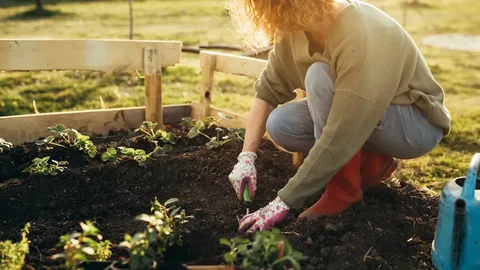
The first step in your gardening adventure is to decide what you want to grow. Not all plants are suited for every environment, so it’s crucial to consider your local climate, soil type, and the amount of sunlight your garden receives.
Start Small
Preparing Your Soil
The Foundation of a Healthy Garden
Weeds can compete with your plants for nutrients and water, so removing them is crucial.
Enrich Your Soil
Compost provides essential nutrients and encourages beneficial microbial activity, which is vital for plant health.
Testing Your Soil
If you’re unsure about the nutrient levels in your soil, consider conducting a soil test. Numerous regional agricultural extension offices provide testing services.
Understanding the pH and nutrient levels can provide valuable insights into what amendments your soil might need.
Planting Your Garden
Timing is Everything
Some plants, like carrots or lettuce, can be sown directly into the ground, while others, such as tomatoes or peppers, may need to be started indoors.
Depth and Spacing
Pay attention to planting depth and spacing requirements. Some plants need to be buried deeper than others, while others need ample space to grow. Crowding plants can lead to stunted growth and increased susceptibility to disease.
Watering Wisely
Tools and Equipment
Essential Gardening Tools
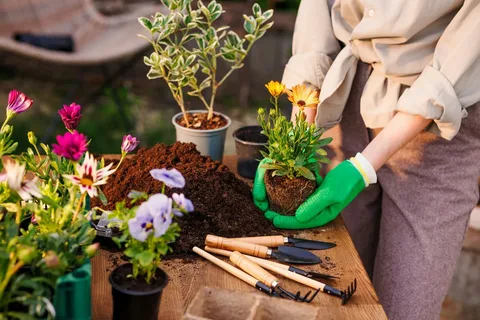
To embark on your gardening journey, you’ll need some basic tools. Here are a few essentials:
- Shovel: Ideal for digging and moving soil.
- Rake: Great for leveling soil and removing debris.
- Gloves: Protect your hands from cuts and scrapes.
-
Watering Can or Hose: Crucial for maintaining your plants’ moisture.
Maintenance
Keeping Your Garden Healthy
- Irrigation: Set up a watering routine and maintain consistency. Morning is frequently the ideal time for watering, as it lets plants take in moisture before the day’s warmth.
- Pruning: To promote healthy growth and avoid overcrowding, it’s essential to trim your plants as they develop. Consistently inspect for wilted or infected leaves and eliminate them quickly.
- Fertilization: Every few weeks, think about using a balanced fertilizer to supply extra nutrients. Natural choices consist of compost tea or fish emulsion
Organic options include compost tea or fish emulsion.
Pest and Disease Management
Keep a vigilant eye on your plants for any signs of pests or diseases. Common garden pests like aphids or caterpillars can wreak havoc if not controlled early.
Use organic methods like insecticidal soap or neem oil to manage pests. For diseases, ensure good air circulation and avoid overhead watering to minimize fungal issues.
Conclusion
Gardening is a fulfilling pursuit that brings the joy of nurturing plants and watching them flourish. By following these simple guidelines—choosing the right plants, preparing your soil, properly planting, and maintaining your garden—you can cultivate a beautiful and bountiful space.
Remember that patience and practice are key. With time, you’ll grow your skills and, before you know it, reap the rewards of your hard work. Happy gardening!