





Implant dentistry continues to progress, and one element central to this progress is the implant screw. This small but vital component plays a major role in the long-term stability and reliability of today’s tooth replacement systems. Patients researching dental implants Beverley or cosmetic options such as Invisalign Beverley often want clarity on how these screws work, why they matter and what advantages they offer. This detailed guide brings structure to the topic, explaining how implant screws contribute to comfort, durability and daily function.
The Purpose of Implant Screws in Modern Dental Treatment
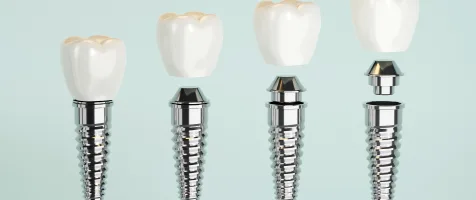
Implant screws act as the artificial root of the replacement tooth. Although compact, they provide the primary connection between the restoration and the jawbone. Their importance lies in three core functions: structural support, long-term stability and predictable integration.
How Implant Screws Mimic Natural Tooth Roots
Implant screws are shaped to follow the natural profile of a tooth root. This allows the bone to hold them securely. Over time, bone cells attach to the screw’s surface, creating a firm base for the future crown.
Why Precision Matters During Placement
Positioning the implant screw requires accuracy. Its depth and angle affect the way the final crown looks and functions. Correct alignment also helps maintain the gum contour. These factors all contribute to a result that feels stable and looks natural.
Materials Used in Implant Screws
Different materials have been developed to support bone compatibility, durability and mouth comfort. Modern implant screws are made with a focus on resilience and smooth day-to-day functioning.
Titanium for Strength and Biocompatibility
Titanium remains one of the most reliable materials used for implant screws. It connects well with bone tissue, creating a bond that allows the implant to remain stable for many years. It is also resistant to corrosion, making it suitable for the moist environment of the mouth.
Ceramic Options for Enhanced Aesthetics
Ceramic implant screws cater to patients seeking a metal-free option. These screws maintain strength while offering a natural color that blends well with the surrounding gum. They are particularly useful in areas where appearance is a priority.
Structural Features That Improve Function
Modern implant screws include certain design elements that add strength and stability. These features contribute to the secure fit of the final restoration.
Thread Patterns That Increase Grip
The threads on the screw allow it to settle firmly within the bone. Different thread depths and shapes help reduce pressure, keep the implant steady and encourage the bone to bond naturally.
Surface Texture That Supports Integration
Specialized surface textures help the bone attach more efficiently. This connection is vital during healing, as it ensures the implant remains secure during everyday activities.
How Implant Screws Support Long-Term Stability
Good stability not only improves comfort but also helps maintain the integrity of the jaw structure.
Maintenance of Jawbone Strength
When a tooth is lost, the bone may shrink. Implant screws prevent this by transmitting chewing forces into the bone. This stimulates the tissue and maintains its density. This feature is one of the strongest advantages of treatments such as dental implants Beverley as it supports the overall shape of the jaw.
Improved Bite Function and Chewing Efficiency
A stable implant screw allows patients to chew with confidence. Unlike removable alternatives, which may shift or loosen, the screw provides steady support that mirrors the feel of natural teeth.
The Treatment Process: From Placement to Final Crown
Understanding the treatment journey helps patients feel informed and prepared. The process follows several stages, each designed to encourage predictable results.
Assessment and Planning
Before placement, a complete assessment is carried out. Scans and measurements determine the best position for the implant screw. This preparation helps ensure accuracy and lowers the chance of complications.
Placement of the Screw
The screw is positioned gently but securely within the bone. Once in place, the area is left to heal while the bone attaches naturally to the surface. This phase is essential for establishing a strong foundation.
Adding the Abutment and Crown
Once healed, an abutment is attached to the implant screw. This supports the final crown, which is shaped and coloured to match the surrounding teeth. The completed restoration is designed to function and appear like a natural tooth.
Everyday Benefits of Implant Screws
Once fully integrated, implant screws offer several comforts and functional advantages.
Natural Speech and Everyday Comfort
Because implant-supported restorations remain firmly in position, they support clear speech and minimize day-to-day irritation. There is no movement, rubbing or shifting that may occur with removable appliances.
Ease of Cleaning and Hygiene
Cleaning around an implant screw is straightforward. The replacement tooth can be brushed like a natural one, and the gum can be maintained with normal hygiene routines. This simplicity appeals to patients already using cosmetic treatments such as Invisalign Beverley, where daily cleaning must be efficient and consistent.
When Implant Screws Are a Suitable Choice
Not every patient requires an implant screw, but many benefit from its advantages. Suitability depends on the health of the bone, the condition of nearby teeth and the general structure of the bite.
Supporting Single Tooth Replacement
Implant screws are ideal for single-tooth gaps, providing a secure root without affecting neighboring teeth. This makes them a preferred choice over traditional bridgework, which may require altering healthy teeth.
Restoring Strength After Tooth Loss
Patients who want a robust and reliable replacement often choose implants because the screw connects firmly to the bone. The implant can then support everyday biting tasks without compromise.
Conclusion
Implant screws play a vital part in creating strong, functional and reliable tooth replacements. Their design supports the bone, provides a stable base for the final crown and contributes to natural bite performance. Patients choosing long-lasting restorative treatments often appreciate the strength and security that implant screws provide. The careful planning, structured approach and reliable materials involved in this treatment help ensure that the final result feels stable and looks well balanced supporting daily comfort and long-term oral health with the guidance of Smile Dental Implants Group.