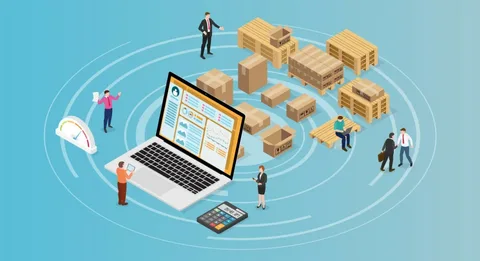
Expanding into international markets opens new opportunities for business growth. However, it also introduces complex challenges. Companies must deal with customs regulations, cross-border compliance, documentation, tariffs, and global logistics coordination.
Relying on manual processes often leads to delays, errors, and increased operational costs. That is why modern businesses are turning to global trade management software to simplify and automate international operations.
This technology brings everything into one centralized system. It helps companies manage compliance, documentation, shipping, and trade visibility with greater accuracy and speed. As global trade continues to expand, such systems are no longer optional — they are essential for scalable growth.
What Is Global Trade Management Software?
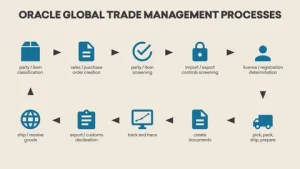
Global trade management (GTM) software is a digital platform designed to handle all aspects of international trade operations in one place. It simplifies how businesses manage imports, exports, compliance, customs processes, and global logistics.
Instead of working across multiple tools and spreadsheets, companies can centralize their trade data within a single platform. This reduces complexity and improves efficiency across the entire supply chain.
A GTM system typically manages:
- Import and export compliance
- Customs documentation
- Duty and tariff calculations
- Trade finance workflows
- Supply chain tracking and visibility
By automating repetitive tasks, businesses reduce human errors and improve operational accuracy. This leads to faster shipments and fewer regulatory issues.
Why Businesses Need Global Trade Management Software
International trade involves strict regulations that vary from country to country. These rules change frequently, making manual tracking difficult and risky.
Without automation, businesses face:
- Compliance errors
- Shipment delays
- Incorrect tariff calculations
- High administrative workload
- Financial penalties
A GTM platform solves these problems by providing real-time updates and automated workflows. It ensures that every shipment follows the latest trade regulations, reducing risk and improving efficiency.
Key Benefits of Global Trade Management Software
A well-implemented GTM system offers significant advantages for businesses involved in global trade.
1. Improved Trade Compliance
Regulatory compliance is one of the most challenging aspects of international trade. Laws and restrictions change frequently across different regions.
A GTM platform automatically updates compliance rules and applies them to your trade processes. It also performs restricted party screening and ensures adherence to global trade regulations. This reduces the risk of penalties and delays.
2. Automated Customs Documentation
Preparing customs documents manually takes time and increases the risk of errors. A GTM system automates this process by generating accurate documents using shipment data.
Common documents include:
- Commercial invoices
- Packing lists
- Bills of lading
- Certificates of origin
- Customs entry forms
Automation ensures accuracy and saves valuable time for logistics teams.
3. Accurate Duty and Tariff Calculation
Incorrect duty calculations can significantly impact profit margins. Overpayments increase costs, while underpayments may lead to audits.
GTM software uses updated tariff databases to calculate landed costs accurately. This allows businesses to make better sourcing and pricing decisions before finalizing shipments.
4. Real-Time Supply Chain Visibility
Visibility is essential for efficient global logistics. GTM platforms provide real-time tracking of shipments, milestone updates, and alerts for potential delays.
This helps businesses:
- Monitor shipments globally
- Improve delivery accuracy
- Respond quickly to disruptions
- Communicate better with customers
Better visibility leads to better decision-making.
5. Faster Customs Clearance
Delays at customs are often caused by missing or incorrect documentation. GTM software validates all shipment data before submission.
As a result:
- Documents are complete and accurate
- Errors are reduced significantly
- Clearance times improve
- Additional charges like demurrage are minimized
This ensures smoother international operations.
How GTM Software Supports Business Growth
Global trade management software is not just about efficiency. It also plays a key role in scaling businesses internationally.
Scalability Without Extra Complexity
As shipment volumes grow, manual processes become harder to manage. GTM systems scale easily, handling thousands of shipments without increasing workload or staffing needs.
Faster Market Expansion
Entering new markets requires understanding local trade laws and documentation requirements. GTM platforms provide built-in country regulations and trade agreement tools, making expansion faster and less risky.
Stronger Partner Relationships
Reliable and timely shipments build trust with international partners. Accurate documentation and smooth delivery strengthen relationships with suppliers, buyers, and logistics providers.
Industries That Benefit Most from GTM Software
Although all international businesses can benefit, some industries see greater impact:
- Manufacturing: Complex supply chains and export controls
- Pharmaceuticals: Strict regulatory compliance requirements
- Retail & E-commerce: High-volume cross-border shipments
- Automotive: Trade agreements and supplier management
- Agriculture & Food: Import/export certification needs
- Electronics & Technology: Export control regulations
Each of these industries relies heavily on accuracy, speed, and compliance.
Key Features to Look for in a GTM Platform
Choosing the right system is critical for long-term success. A strong GTM solution should include:
- Real-time regulatory updates
- ERP integration (SAP, Oracle, etc.)
- Automated restricted party screening
- Multi-country trade support
- Cloud-based accessibility
- Advanced reporting and analytics
These features ensure smooth integration into existing business operations while supporting global expansion.
Common Challenges Without GTM Software
Companies that rely on manual systems often face:
- Frequent documentation errors
- Slow customs clearance
- Higher operational costs
- Compliance risks
- Lack of supply chain visibility
These challenges become more severe as business volume increases. Automation helps eliminate these inefficiencies.
The Future of Global Trade Management
Global trade is becoming more digital, connected, and data-driven. Future GTM systems will rely more on AI and predictive analytics to improve decision-making.
We can expect:
- Smarter compliance automation
- Predictive shipment delays
- Advanced trade analytics
- Deeper ERP integration
- Real-time global risk monitoring
Businesses that adopt these technologies early will gain a strong competitive advantage.
Conclusion
International trade offers huge growth potential, but it also brings complexity. Without the right systems, businesses risk delays, errors, and compliance issues. Global trade management software simplifies this entire process. It automates documentation, improves compliance, enhances visibility, and supports faster global expansion.
By adopting the right platform, businesses can transform trade challenges into operational strengths. Solutions like Cargoclave help organizations streamline global logistics, reduce risk, and scale confidently in international markets — turning complexity into a real competitive advantage.