



In the modern business landscape, the question is no longer whether you should be online, but how effectively you are competing for the digital spotlight. Think about your own habits: When was the last time you made a significant purchase without a quick Google search or a peek at social media reviews? Exactly. We live in an era where consumers do not trust blindly; they verify, compare, and then decide.
Welcome to 2026. If your business lacks a digital footprint, you aren’t just “behind”—you are practically invisible to billions of potential customers. This guide breaks down why digital marketing is the most critical engine for business growth today, stripped of boring theory and jargon.
Defining Digital Marketing in 2026
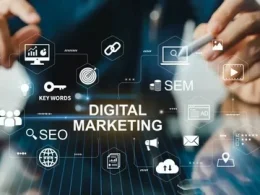
At its simplest, digital marketing is the act of promoting your products or services using the internet. It is the modern version of a shop on a busy street, but instead of a physical sidewalk, you are positioned on a global “internet highway” where billions of people pass by every hour.
The Core Pillars of the Digital Highway:
-
Social Media: Platforms like Instagram, LinkedIn, and YouTube.
-
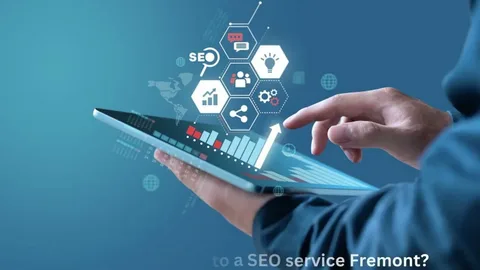
Search Engine Optimization (SEO): Making sure you appear when people search on Google.
-
Paid Advertising: Targeted Google or Meta Ads.
-
Direct Engagement: Email marketing and high-converting landing pages.
1. Your Customers Live Online (24/7)
In 2026, your audience isn’t “going” online; they are already there. From the moment they wake up to the moment they sleep, they are scrolling, watching, and searching. Even small-town local businesses have shifted. A local boutique no longer waits for foot traffic; they post a Reel, receive a DM, and process a sale via WhatsApp. If you aren’t present where your customers spend their time, you are essentially talking to an empty room.
2. Unmatched Cost-Effectiveness
Traditional marketing—like billboards or TV spots—was historically reserved for big brands with massive budgets. Digital marketing has leveled the playing field. You can now reach thousands of people with a targeted ad budget as low as ₹100/day.
The Analogy: Traditional marketing is like throwing flyers from a helicopter and hoping someone catches one. Digital marketing is handing a flyer only to the person who is actively looking for your product.
3. Precision Targeting (No More Wasted Pennies)
One of the most powerful aspects of digital marketing is that you don’t need to show your product to everyone—just the right people. If you are selling gym equipment, you can specifically target fitness enthusiasts, people searching for “home workouts,” or followers of major health influencers. This is smart, data-driven investing rather than random spending.
4. Measurable Results and Data Integrity
In the past, marketing involved a lot of guesswork. Today, every click, view, and sale is trackable. If you can measure a metric, you can improve it. This transparency allows businesses to see their exact Return on Investment (ROI) in real-time, allowing for rapid pivots and smarter scaling.
5. Building Trust through Brand Authority
People in 2026 don’t just buy products; they buy trust. A brand that posts regularly, shares useful content, and engages with its community earns a “legitimacy” badge in the consumer’s mind. Conversely, a lack of an online presence is often interpreted as a lack of professionalism or reliability.
6. Content is Your 24/7 Sales Force
Earlier, you needed a physical salesperson to convince a customer. Now, your content handles that job. A well-crafted Instagram Reel or a helpful blog post works as a salesperson that never sleeps, never takes a holiday, and can talk to thousands of people simultaneously.
7. Competing with Global Giants
Attention is the new global currency. A small startup with a creative social media strategy can go viral and gain more visibility than a corporation spending millions on traditional ads. Digital marketing gives you the platform to compete based on creativity and relevance rather than just the size of your bank account.
8. The Explosion of Mobile Commerce
Look around you—everyone has a smartphone. In 2026, the majority of learning, shopping, and entertainment happens on mobile devices. If your marketing strategy isn’t optimized for mobile users, you are ignoring the primary gateway through which your customers interact with the world.
9. Long-Term Growth and Digital Assets
While ads give you quick wins, strategies like SEO and Content Marketing build long-term wealth for your business. A high-quality YouTube video or a blog post written today can continue to generate leads for years. These aren’t just marketing expenses; they are digital assets.
10. AI and Automation: The New Frontier
AI is no longer a futuristic concept; it is the engine of 2026. From AI-driven chatbots providing 24/7 customer support to smart ad algorithms that find your perfect customer, technology allows you to scale faster and work smarter. Ignoring these tools means letting your competitors overtake you with superior efficiency.
The Biggest Mistake: Posting Without a Plan
Many businesses mistakenly believe that “digital marketing” is just posting a photo on Instagram once in a while. Real growth requires a comprehensive strategy that includes:
-
Funnel Building: Guiding a stranger to become a loyal customer.
-
Content Planning: Creating value, not just noise.
-
Analytics: Reviewing the data to see what actually works.
Random actions lead to random results. A defined strategy leads to a scalable business.
Key Benefits Summary
-
Global Reach: Break geographical barriers.
-
Niche Targeting: Talk only to your ideal buyers.
-
Lower Costs: High impact for every rupee spent.
-
Total Transparency: Know exactly where your money goes.
-
Brand Loyalty: Build a community, not just a customer list.
Final Thoughts
In 2026, businesses don’t usually fail because their products are bad; they fail because they are invisible. You could have the best product in the world, but if your target audience doesn’t know you exist, it doesn’t matter. Digital marketing is not a “magic pill,” but it is the most powerful communication tool ever invented. The earlier you embrace it, the faster you will grow.
Frequently Asked Questions
Is digital marketing necessary for a local service business?
Yes. When people need a plumber, a gym, or a cafe, the first thing they do is search “near me” on Google. If you aren’t in those top results with good reviews, you are losing business to the competitor who is.
Can I start digital marketing on a zero budget?
Absolutely. You can start with “organic” growth by creating valuable content on social media, optimizing your Google Business Profile, and writing helpful blog posts. As you grow, you can reinvest your profits into paid ads.
Which platform is the best to start with?
It depends on where your audience hangs out. If you are B2B, LinkedIn is king. If you sell visual products or lifestyle services, Instagram and YouTube are your best bets. Start where your customers are.