



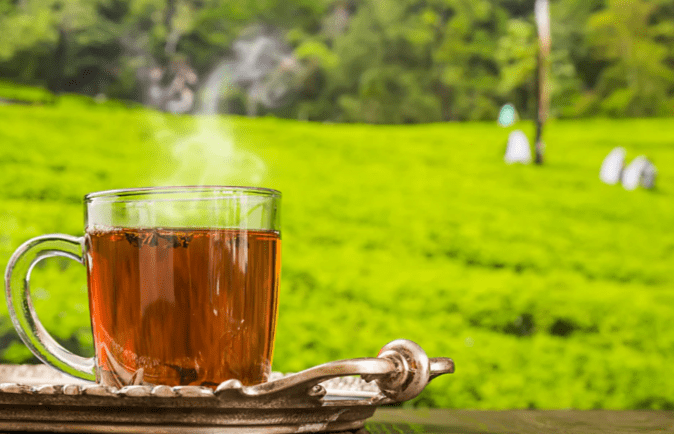
Darjeeling tea is one of the most celebrated teas in the world and is often referred to as the “Champagne of Teas.” Known for its delicate aroma, unique flavor, and premium quality. This tea holds a special place among tea enthusiasts globally. Produced in the scenic Himalayan foothills of West Bengal, India, Darjeeling tea has a distinctive character that cannot be replicated anywhere else in the world.
This tea represents a blend of heritage, craftsmanship, and natural terroir. Every cup carries the influence of the Himalayan climate, the soil of the region, and the traditional methods used by tea growers. Because of this combination of factors, this tea has gained worldwide recognition as one of the most refined and prestigious beverages.
The Unique Geography of Darjeeling
The primary factor that makes Darjeeling tea special is its unique geographical location. The tea is grown at elevations ranging from approximately 2,000 to 7,000 feet above sea level in the Darjeeling region. This high-altitude environment plays a crucial role in shaping the tea’s flavor and quality.
The region experiences cool temperatures, frequent mist, abundant rainfall, and rich mountain soil, which together create ideal conditions for tea cultivation. These natural elements slow down the growth of tea plants, allowing the leaves to develop deeper and more complex flavors.
Additionally, the steep slopes of the Darjeeling hills ensure excellent drainage and exposure to sunlight, which further enhances the quality of the tea leaves. This rare combination of environmental conditions is often referred to as “terroir,” a term commonly used in the wine industry to describe how geography influences flavor.
These natural conditions contribute to this tea’s distinctive floral aroma and muscatel flavor, a grape-like sweetness that is rarely found in other types of tea. Because of its unique origin, authentic Darjeeling tea is protected under Geographical Indication (GI) status, ensuring that only tea grown in this specific region can legally be labeled as Darjeeling tea.

Distinct Flavor and Aroma
Another reason Darjeeling tea stands out is its complex and layered flavor profile. Unlike stronger black teas that have a bold and intense taste, this tea is typically lighter, more aromatic, and elegantly balanced.
The flavor of Darjeeling tea can vary depending on the harvest season, tea estate, and processing method, but it commonly features notes such as:
- Floral undertones
- Fruity muscatel hints
- Mild astringency
- A smooth and refreshing finish
These subtle flavors create a refined tea-drinking experience that appeals to both beginners and experienced tea drinkers. The tea’s delicate character also makes it ideal for drinking without milk or sugar, allowing its natural flavors to shine through.
For many tea connoisseurs, Darjeeling tea represents the perfect balance between aroma, flavor, and smoothness, which is why it is often compared to fine wines.
Seasonal Harvests and Their Influence
Another fascinating aspect of Darjeeling is its seasonal harvests, commonly known as “flushes.” Each flush produces tea with a unique taste and aroma.
The most well-known harvests include:
- First Flush (Spring Harvest): Known for its light color, floral aroma, and fresh taste.
- Second Flush (Early Summer Harvest): Famous for its rich muscatel flavor and fuller body.
- Autumn Flush: Offers a smoother and slightly sweeter flavor.
These seasonal variations allow tea lovers to explore different expressions of Darjeeling tea throughout the year. Many enthusiasts eagerly await the first flush harvest, which is considered one of the most prized teas in the world.
Traditional Cultivation and Handpicked Leaves
The cultivation and harvesting process also play a major role in the exceptional quality of Darjeeling. Most tea estates in the region follow traditional and labor-intensive harvesting methods.
The tea leaves are handpicked by skilled workers, ensuring that only the youngest and most tender leaves and buds are selected. Typically, only the top two leaves and a bud are plucked, which helps preserve the tea’s delicate flavor and aroma.
Hand-plucking not only maintains strict quality standards but also protects the natural structure of the tea leaves. This careful harvesting process contributes to the premium reputation of Darjeeling tea.
Limited Production Adds to Its Exclusivity
Another factor that enhances the value of Darjeeling tea is its limited production. Unlike other tea-producing regions that focus on mass production, Darjeeling produces relatively small quantities of tea each year.
Many of the finest Darjeeling are exported to international markets, where they are appreciated for their premium quality and unique flavor profile. This exclusivity further strengthens Darjeeling tea’s reputation as one of the finest teas available.
Health Benefits of Darjeeling Tea
Beyond its exceptional taste, Darjeeling tea is also known for its potential health benefits. Like many high-quality teas, it contains antioxidants that may help support overall well-being.
Some potential benefits of drinking Darjeeling tea include:
- Supporting heart health
- Improving digestion
- Boosting metabolism
- Providing natural energy without excessive caffeine
- Helping the body combat oxidative stress
Because it is lighter than many other black teas, Darjeeling tea can be enjoyed throughout the day without feeling overly heavy or strong.
Cultural and Historical Significance
Darjeeling tea is not just a beverage; it is also an important part of the region’s cultural and historical heritage. Tea cultivation in Darjeeling dates back to the mid-19th century, when British planters began experimenting with tea plantations in the Himalayan foothills.
Over time, the region developed a reputation for producing some of the finest teas in the world. Today, Darjeeling tea continues to represent a symbol of tradition, craftsmanship, and regional pride.
The tea industry also plays a crucial role in supporting the local economy and communities, providing employment to thousands of workers across the region.
Conclusion
Darjeeling tea’s reputation as one of the finest teas in the world is well deserved. Its unique Himalayan terroir, limited production, handpicked leaves, and distinctive flavor profile set it apart from other teas. The influence of geography, seasonal harvests, and traditional cultivation methods all contribute to the tea’s exceptional quality.
Whether enjoyed for its delicate aroma, rich heritage, or refined taste, this tea remains a timeless beverage that continues to captivate tea lovers around the globe. For anyone seeking a truly premium tea experience, this tea offers a perfect combination of elegance, tradition, and natural beauty in every cup.