




Selecting the right steel supplier involves much more than comparing prices or delivery schedules. Every construction project, industrial facility, or infrastructure development depends on high-quality steel that meets strict safety and performance standards. Choosing uncertified materials may lead to costly delays, failed inspections, compliance issues, and even structural failures.
This is why verifying certifications should be one of the first steps before partnering with a Steel Supplier UAE. Certifications provide documented proof that steel products have been manufactured, tested, and inspected according to recognized international standards. They also demonstrate a supplier’s commitment to quality, transparency, and consistency.
Whether you are purchasing reinforcement bars, structural steel, or Deformed Steel Coils UAE, understanding which certifications matter and how to verify them will help you make informed decisions while protecting your investment.
Why Steel Certifications Are So Important
Steel forms the foundation of modern buildings, bridges, factories, and infrastructure. Its strength directly affects the safety, durability, and lifespan of every structure. While steel products may appear similar on the surface, their quality can vary significantly depending on manufacturing processes and material composition.
Certifications provide confidence that every batch of steel has undergone strict quality control, mechanical testing, and chemical analysis before reaching the market. They confirm that the product complies with industry regulations and engineering specifications.
For contractors, consultants, project managers, and procurement professionals, certified steel is not simply a preferred option—it is often a mandatory project requirement.
Request the Mill Test Certificate (MTC)
One of the first documents you should request from any Steel Supplier UAE is the Mill Test Certificate (MTC).
An MTC serves as the official quality record issued by the manufacturer. It contains essential information such as:
- Steel grade
- Chemical composition
- Mechanical properties
- Manufacturing batch or heat number
- Production details
- Laboratory test results
This certificate allows buyers to verify that the delivered steel matches the specifications outlined in the purchase order. Before accepting any shipment, compare the certificate with your project requirements and confirm that the batch numbers on the steel products match those listed in the documentation.
Confirm Compliance with International Standards
Reliable steel supplier provide products that comply with internationally recognized quality standards.
Depending on your project, these standards may include:
- ISO quality management certifications
- ASTM specifications
- British Standards (BS)
- European Standards (EN)
- Local UAE construction regulations
Compliance with these standards demonstrates that the steel has been manufactured using approved production methods and tested according to established engineering guidelines. A professional supplier should be able to explain which standards apply to each product and provide supporting documentation without hesitation.
Verify Product Traceability
Traceability plays a critical role in modern steel procurement. Every steel product should be traceable back to its original manufacturing batch.
Reliable suppliers maintain detailed records that allow customers to identify:
- Manufacturing location
- Production date
- Heat number
- Inspection records
- Quality testing history
Strong traceability improves quality assurance, simplifies inspections, and helps resolve technical concerns more efficiently. If a supplier cannot provide clear product traceability, it may indicate weaknesses in inventory management or quality control systems.
Evaluate the Supplier’s Quality Control Process
While certifications are essential, they should be supported by consistent quality control procedures.
Ask suppliers questions such as:
- How frequently are steel products tested?
- Are inspections conducted throughout production?
- Who performs the quality inspections?
- How are defective products identified and handled?
- What procedures ensure consistent quality?
Suppliers with well-documented quality management systems are more likely to deliver dependable products across every order.
Look for Independent Third-Party Testing
Many large commercial and infrastructure projects require steel products to undergo independent laboratory testing before installation. Third-party verification offers additional confidence because testing is performed by accredited organizations rather than the manufacturer alone.
Independent testing typically confirms:
- Yield strength
- Tensile strength
- Elongation values
- Chemical composition
- Dimensional accuracy
These reports provide objective evidence that the supplied materials satisfy engineering specifications and project requirements.
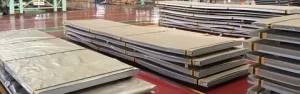
Certifications for Deformed Steel Coils UAE
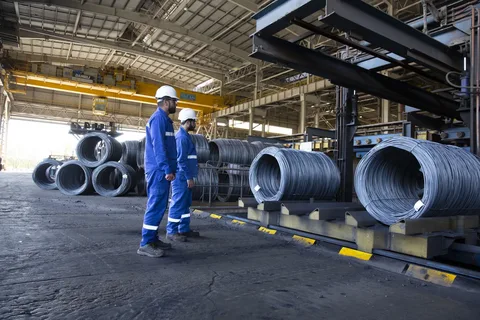
Projects that require Deformed Steel Coils UAE should pay special attention to product-specific certifications. Deformed steel coils are widely used in reinforced concrete structures because their ribbed surface creates a stronger bond with concrete. Since they are commonly used in load-bearing applications, manufacturing quality is especially important.
Before purchasing, verify that every shipment includes:
- Mill Test Certificates
- Mechanical testing reports
- Grade identification
- Batch traceability
- Compliance with reinforcement standards
Proper documentation reduces the risk of receiving substandard materials that could compromise structural integrity.
Consider the Steel Supplier’s Industry Experience
Experience often reflects a supplier’s ability to deliver consistent quality and dependable service.
An established Steel Supplier UAE usually offers:
- Extensive product knowledge
- Reliable inventory management
- Technical guidance
- Accurate documentation
- Strong manufacturer partnerships
Experienced suppliers also understand local construction regulations and can recommend products that meet specific project requirements. Although newer suppliers may also provide quality products, long-term industry experience offers additional confidence for major construction projects.
Review Documentation Before Delivery
Quality verification should begin long before the steel reaches your project site.
Procurement teams should carefully review:
- Product specifications
- Steel grades
- Order quantities
- Mill Test Certificates
- Inspection reports
- Delivery documentation
Checking paperwork early allows buyers to identify discrepancies before materials are delivered, preventing unnecessary delays and costly replacements.
Build Long-Term Relationships with Steel Supplier
Choosing a certified steel supplier should be viewed as a long-term investment rather than a one-time purchase.
Working with a trusted supplier provides several advantages, including:
- Consistent product quality
- Faster order processing
- Better communication
- Reliable technical support
- Accurate documentation
- Improved supply chain stability
Strong supplier relationships also make future procurement more efficient while reducing project risks.
Common Mistakes to Avoid When Verifying Certifications
Many buyers focus only on pricing and overlook important quality documents. This can create significant problems later in the project.
Avoid these common mistakes:
- Accepting steel without reviewing the Mill Test Certificate.
- Ignoring product traceability information.
- Failing to verify compliance with international standards.
- Choosing suppliers based only on the lowest price.
- Skipping third-party testing for large projects.
Taking a few extra steps during procurement can prevent expensive issues during construction.
Conclusion
Selecting a reliable Steel Supplier UAE requires more than evaluating cost and delivery schedules. Verifying certifications, reviewing Mill Test Certificates, checking product traceability, and confirming compliance with recognized industry standards are essential steps for ensuring material quality and project safety.
Whether you are purchasing structural steel, reinforcement products, or Deformed Steel Coils UAE, proper documentation provides confidence that every product meets engineering specifications and regulatory requirements.
By prioritizing certified suppliers with strong quality control systems and transparent documentation, businesses can reduce procurement risks, improve compliance, and build safer, longer-lasting structures. Investing time in certification verification today helps ensure successful construction outcomes for years to come.