




Most homeowners rarely think about their siding. If the exterior looks fine, everything is usually assumed to be in good condition. However, new siding does much more than improve appearance. It protects the home from rain, wind, heat, and daily weather exposure.
Over time, siding naturally wears out. The challenge is that damage often develops slowly and quietly. Many homeowners do not notice it until it becomes serious. That is why understanding early warning signs is important. Acting early can prevent costly repairs and structural damage.
Why Home Siding Is So Important
Siding works as a protective shield for your home. It blocks moisture, wind, and outside elements from reaching the structure. At the same time, it improves insulation and helps regulate indoor temperatures.
When siding is in good condition, the home stays energy efficient. Heating and cooling systems do not need to work as hard, which helps control energy costs.
However, when siding becomes damaged or aged, it loses its protective ability. Water can enter behind panels, leading to mold, rot, and structural weakening. In regions with changing weather, siding is constantly exposed to stress from sunlight, rain, wind, and temperature shifts.
Early Warning Signs of Damaged Siding
Siding issues usually start small. Unfortunately, these early signs are often ignored until damage spreads.
Cracks, Gaps, or Loose Panels
Small cracks may look harmless, but they can allow moisture to enter behind the siding. Over time, this weakens the structure underneath. Loose panels are also a clear sign that the material is no longer secure.
Fading or Discolored Exterior
Fading is not just a cosmetic issue. It often means the siding has reached the later stage of its lifespan. Continuous sun exposure slowly breaks down materials and reduces durability.
Bubbling, Warping, or Bulging
When siding begins to bubble or warp, moisture is usually trapped underneath. This is a serious warning sign. Once water enters behind siding, it can spread to insulation and framing, causing long-term damage.
Mold, Mildew, or Dark Stains
Dark spots or mildew growth on exterior walls often indicate moisture buildup. While minor surface stains can be cleaned, recurring growth suggests deeper issues inside the siding system.
Interior Wall Damage
Sometimes siding problems become visible inside the home. Peeling paint, damp spots, or water stains near exterior walls may indicate that moisture is entering from outside.
Rising Energy Bills and Poor Insulation
Damaged siding can also affect energy efficiency. Gaps or cracks allow outside air to enter the home, making heating and cooling systems work harder.
Homeowners may notice drafts, uneven room temperatures, or increased utility bills. In many cases, worn siding is a hidden reason behind rising energy costs.
Storm Damage and Weather Impact
Severe weather can shorten the lifespan of siding. Wind, hail, and heavy rain can weaken materials even if the damage is not immediately visible.
After a storm, it is important to inspect the exterior carefully. Small damage can grow worse over time if it is not repaired quickly. Many homeowners searching for siding replacement Raynham services later discover that earlier storm damage contributed to long-term siding failure.
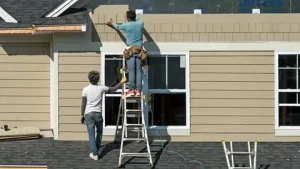
Should You Repair or Replace Siding?
Not all siding problems require full replacement. Minor issues can often be repaired if they are limited to one area.
However, replacement becomes necessary when damage spreads across multiple sections, moisture problems keep returning, or energy efficiency drops significantly. Older siding that has reached the end of its lifespan also benefits from full replacement.
New siding not only improves protection but also enhances curb appeal and increases property value.
Choosing the Right Siding Material
Different siding materials offer different benefits depending on budget, maintenance needs, and style preference.
Vinyl Siding
Vinyl siding is affordable, durable, and low maintenance. It is one of the most widely used options for homeowners.
Wood Siding
Wood siding offers a natural and classic appearance. However, it requires regular maintenance to protect it from moisture and weather damage.
Engineered Wood Siding
Engineered wood provides a similar look to natural wood but with improved durability and lower maintenance requirements.
Why Professional Installation Matters
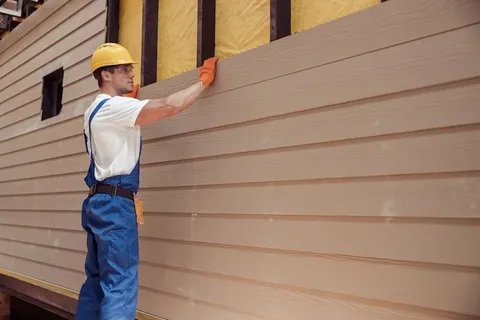
Even high-quality siding will fail if it is not installed correctly. Poor installation can create gaps, improper sealing, and weak points where water can enter.
Professional installers ensure proper alignment, secure fitting, and effective sealing. They can also identify hidden damage beneath old siding before installing new materials. This helps extend the life of the entire exterior system.
Conclusion
Siding problems often begin small but can quickly become serious if ignored. Cracks, fading, warping, mold, and rising energy bills are all important warning signs that should not be overlooked.
By identifying these issues early, homeowners can prevent costly repairs and protect their property more effectively. Whether you choose repair or full replacement, timely action makes a major difference in long-term home protection and comfort.