



Living in a tropical paradise has undeniable advantages, but constant warmth and high humidity also create ideal conditions for mold growth. In places like Kauai, even a small plumbing leak or minor water intrusion can quickly become a much larger problem if it is not handled correctly. Many homeowners attempt to solve mold issues themselves with household cleaners, hoping to save time and money. Unfortunately, these efforts often provide only temporary results.
When mold develops because of moisture damage, removing visible spots is only one part of the solution. The real challenge is eliminating the moisture source, preventing hidden contamination, and restoring damaged materials before mold spreads further. This is where professional Kauai HI Water Damage Repair services become essential.
At Eco Kauai Services, years of experience helping homeowners recover from water damage and mold problems have shown that proper remediation is far more effective than surface cleaning alone. Understanding why DIY mold removal often fails can help homeowners make informed decisions that protect both their property and their family’s health.
Why Humid Climates Create the Perfect Environment for Mold
Humidity plays a major role in mold growth. Mold spores naturally exist both indoors and outdoors. Under normal conditions, these microscopic spores remain harmless. However, once excess moisture becomes available, spores begin growing rapidly.
In Kauai’s tropical climate, humidity levels frequently exceed 70%, making indoor environments especially vulnerable after:
- Roof leaks
- Pipe leaks
- Appliance failures
- Storm damage
- Flooding
- Poor ventilation
- High indoor humidity
- Condensation around windows and air conditioning systems
Unlike dry climates where moisture evaporates quickly, damp building materials in Hawaii may remain wet for days or even weeks. This creates ideal conditions for mold colonies to expand behind walls, beneath flooring, inside ceilings, and throughout insulation.
Why DIY Mold Removal Usually Doesn’t Work
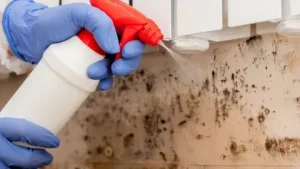
Many homeowners purchase bleach or store-bought mold sprays expecting permanent results. While these products may remove visible discoloration, they rarely address the underlying problem.
Surface Cleaning Doesn’t Remove Hidden Mold
One of the biggest misconceptions is believing visible mold represents the entire problem.
In reality, mold often grows:
- Behind drywall
- Under flooring
- Inside wall cavities
- Beneath cabinets
- Around insulation
- Inside HVAC systems
Cleaning only what you can see leaves active mold colonies untouched.
As humidity returns, mold simply reappears.
Bleach Is Not the Complete Solution
Many people rely on bleach because it visibly whitens mold stains.
However, bleach has several limitations:
- It does not penetrate porous materials like drywall or wood.
- Water within bleach can actually feed mold in porous surfaces.
- It kills some surface mold but not deeply rooted colonies.
- It leaves moisture behind.
Professional remediation involves specialized antimicrobial treatments designed specifically for mold contamination rather than ordinary household disinfectants.
Moisture Problems Continue
Mold cannot survive without moisture.
If the original water source remains unresolved, mold removal becomes a temporary cosmetic fix.
Common hidden moisture sources include:
- Slow plumbing leaks
- Roof leaks
- Foundation seepage
- Improper drainage
- HVAC condensation
- Crawl space humidity
Professional inspections identify these moisture sources before restoration begins.
Mold Spores Spread During Improper Cleaning
Many DIY methods unintentionally make contamination worse.
Scrubbing mold aggressively or using fans without containment can release millions of microscopic spores into the air.
These airborne spores may settle throughout the home, creating new mold colonies in previously unaffected areas.
Professional remediation teams use containment barriers, negative air pressure systems, and HEPA filtration to minimize cross-contamination.
At first glance, DIY mold cleanup appears affordable.
However, incomplete remediation often leads to much larger expenses later.
Potential consequences include:
- Structural wood damage
- Drywall replacement
- Flooring replacement
- Insulation damage
- Ceiling repairs
- Furniture contamination
- Increased restoration costs
- Reduced property value
Waiting too long also allows mold to spread into larger portions of the home, increasing the scope of repairs.
The Connection Between Water Damage and Mold Growth
Mold and water damage are inseparable.
Most mold problems begin with untreated water intrusion.
This is why professional Kauai HI Water Damage Repair focuses on rapid drying immediately after water damage occurs.
Proper water damage restoration includes:
- Moisture detection
- Water extraction
- Structural drying
- Dehumidification
- Moisture monitoring
- Sanitization
- Mold prevention treatments
Removing moisture within the first 24 to 48 hours significantly reduces the chance of mold development.
Signs Your Home Needs Professional Mold Remediation
Some mold issues remain obvious.
Others develop quietly behind finished surfaces.
Watch for these warning signs:
Persistent Musty Odors
A damp, earthy smell often indicates hidden mold behind walls or beneath flooring.
Even if mold is not visible, odors suggest active microbial growth.
Water Stains
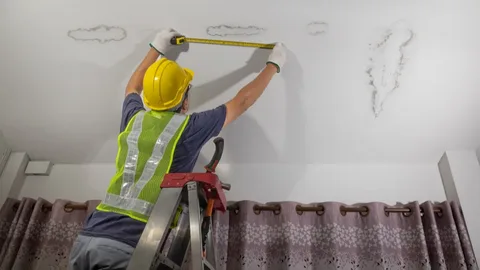
Brown ceiling stains, bubbling paint, warped flooring, or peeling wallpaper frequently signal moisture intrusion.
Recurring Mold Growth
If mold repeatedly returns after cleaning, moisture remains trapped somewhere within the structure.
Allergy Symptoms Indoors
Some occupants experience:
- Sneezing
- Nasal congestion
- Coughing
- Eye irritation
- Headaches
Symptoms that improve after leaving the home may indicate indoor air quality issues.
Real-World Example
Consider a homeowner who notices mold forming around a bathroom ceiling after a small roof leak.
They clean the visible mold with bleach and repaint the ceiling.
Several months later, mold returns—this time spreading across multiple rooms.
A professional inspection reveals that moisture had soaked the attic insulation and wooden roof framing. Hidden mold colonies had continued growing despite repeated surface cleaning. This type of situation is common in humid coastal climates where moisture lingers long after visible water disappears.
What Professional Mold Remediation Does Differently
Professional restoration follows a systematic process designed to eliminate mold at its source.
Thorough Inspection
Specialized equipment identifies hidden moisture within walls, ceilings, and floors.
Moisture mapping helps determine how far water has migrated.
Moisture Elimination
Stopping water intrusion comes first.
Without moisture control, mold will eventually return.
Containment
Affected areas are isolated to prevent spores from spreading throughout the home during cleanup.
HEPA Air Filtration
Commercial-grade filtration systems capture airborne mold spores and improve indoor air quality during remediation.
Safe Removal of Contaminated Materials
Some porous materials cannot be effectively cleaned and must be replaced.
Examples include:
- Wet drywall
- Carpet padding
- Ceiling tiles
- Insulation
Antimicrobial Treatment
Professional-grade antimicrobial products help eliminate remaining microbial contamination while discouraging future growth.
Complete Structural Drying
Industrial air movers and dehumidifiers restore proper moisture levels before rebuilding begins.
How to Prevent Mold After Water Damage
While no home is completely immune to mold, homeowners can greatly reduce their risk by acting quickly after moisture problems occur.
Best practices include:
- Repair plumbing leaks immediately.
- Address roof damage promptly.
- Maintain gutters and downspouts.
- Improve attic ventilation.
- Use bathroom exhaust fans consistently.
- Monitor indoor humidity.
- Dry wet materials within 24 to 48 hours.
- Schedule professional inspections after flooding or major leaks.
Routine home maintenance remains one of the best investments in long-term property protection.
Why Fast Water Damage Repair Matters
Time is one of the biggest factors determining whether water damage becomes a mold problem.
Within just one or two days, damp building materials can begin supporting mold growth.
Professional Kauai HI Water Damage Repair services provide rapid response that minimizes:
- Mold growth
- Structural deterioration
- Indoor air quality issues
- Restoration costs
- Long-term property damage
Prompt action also improves the chances of preserving flooring, cabinetry, drywall, and personal belongings.
Why Homeowners Trust Eco Kauai Services
Choosing a trusted restoration company gives homeowners confidence that every stage of water damage recovery is handled correctly.
Eco Kauai Services provides reliable restoration solutions tailored to Hawaii’s challenging climate. Their well-experienced team understands how tropical humidity affects homes and uses industry-leading equipment to identify hidden moisture, perform complete structural drying, and help prevent recurring mold problems.
Whether responding to storm damage, plumbing failures, or unexpected flooding, Eco Kauai Services focuses on results-driven restoration that protects both the home and the people living inside it. Their commitment to quality workmanship, innovative drying methods, and proven remediation practices helps homeowners recover faster while reducing the risk of future mold growth.
Final Thoughts
DIY mold removal may seem like a quick fix, but humid climates make mold far more persistent than many homeowners realize. Surface cleaning alone rarely solves the underlying moisture problem, allowing hidden mold colonies to continue spreading behind walls, under flooring, and inside structural components.
Professional Kauai HI Water Damage Repair addresses the complete picture—from identifying moisture sources and drying affected materials to safely removing mold and restoring damaged areas. Acting quickly after water intrusion is the most effective way to prevent costly repairs, preserve indoor air quality, and maintain a healthy living environment.
For homeowners throughout Kauai, investing in professional restoration today can help prevent much larger problems tomorrow.