


Raising seed funding in 2026 is very different from what it used to be. The rules have changed, investor expectations have evolved, and the process now demands more preparation than ever. Many founders still operate with a 2021 mindset—but that approach no longer works.
If you want to succeed today, you need a smarter, more realistic strategy. Let’s break down what actually works in the current seed funding environment.
Investor Behavior Has Shifted
First, understand this: investors are more cautious now. The easy money phase is over.
Several major changes define today’s landscape:
- Fewer active angel investors
- Smaller average check sizes
- Longer and more detailed due diligence
In fact, seed rounds now feel like mini Series A rounds. Investors expect deeper insights before committing capital. They want to see financial discipline, not just vision. Because of this, founders must come prepared with clear projections, customer data, and a realistic growth plan.
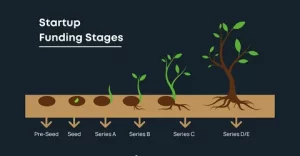
Valuations Have Stabilized
Next, let’s talk about valuations. The inflated numbers from a few years ago are gone.
Today’s ranges look more grounded:
- Pre-seed: $6M – $10M valuation cap
- Seed: $10M – $15M
- Post-revenue seed: $15M – $20M
At first, this may feel like a setback. However, it actually creates a healthier ecosystem. Investors are more confident, and startups face less pressure to justify unrealistic growth. In short, stable valuations help everyone make better long-term decisions.
Your Online Presence Matters More Than Ever
In 2026, your pitch deck is not the only thing investors evaluate. They also review your digital footprint.
They often analyze:
- GitHub activity
- LinkedIn engagement
- Communication style
- Customer interaction patterns
Even small details can influence decisions. For example, generic or overly automated responses can create doubt about authenticity. That’s why it’s important to communicate clearly and personally. Write your own updates. Be direct. Show genuine thinking.
Rolling Closures Are Becoming Standard
Another major shift is how seed funding rounds are structured. Instead of waiting for a fixed closing date, many founders now use rolling closes. This means they accept investments as they come in and finalize the round later. This approach offers several advantages:
- Faster capital access
- Reduced pressure to close quickly
- Flexibility in negotiations
As markets continue to move quickly, this method gives founders more control over the fundraising process.
Traction Means Real Revenue
Vanity metrics no longer impress investors. In the past, startups could highlight waitlists or app downloads. Today, investors want proof of real business performance.
They focus on:
- Paying customers
- Retention rates
- Revenue consistency
- Churn levels
For example, saying “we have thousands of users” is not enough. Instead, showing stable monthly revenue and strong customer retention creates confidence. Simply put, quality metrics matter more than quantity.
Lead Investors Want Involvement
The role of lead investors has also changed. They are no longer passive contributors.
In 2026, they expect:
- Regular updates
- Financial transparency
- Participation in future rounds
This doesn’t mean losing control. However, it does require openness and accountability. Founders must build strong relationships with their investors and maintain clear communication. When done right, this partnership can significantly strengthen your business.
Location Still Plays a Role
Although remote fundraising is common, location still matters in subtle ways. Certain regions move faster due to stronger networks and industry clusters. Cities like Austin, Miami, and Bengaluru continue to attract attention for specific sectors. However, this doesn’t mean you must relocate. Instead, focus on building connections within active ecosystems, even if it’s done remotely. Networking remains a key part of fundraising success.
Building Is Cheaper Than Ever
One of the biggest advantages for founders today is the reduced cost of building products. Modern tools allow startups to create MVPs quickly and affordably. This changes how much funding you actually need. Instead of raising large amounts upfront, you can:
- Build faster
- Test ideas earlier
- Iterate more efficiently
As a result, smaller funding rounds are becoming more common. Investors also prefer this approach because it reduces risk.
Communication Speed Can Make or Break Deals
Here’s something many founders underestimate: responsiveness. In today’s environment, speed matters. Investors expect quick replies and organized information.
Successful founders:
- Respond within hours, not days
- Share data promptly
- Maintain clear communication
Delays, even small ones, can create doubt. On the other hand, fast and structured responses build trust quickly. This simple habit can significantly improve your chances of closing a round.
The Emotional Reality of Fundraising
Now, let’s address something rarely discussed—the emotional side. Fundraising is tough. Rejections are common. Even strong pitches can fail.
You might:
- Hear dozens of “no” responses
- Question your strategy
- Feel uncertain about your progress
This is completely normal. What matters is persistence. The founders who succeed are not always the most talented. They are the ones who continue after repeated rejection. Consistency and resilience play a huge role in the outcome.
Warm Introductions Are the Key Advantage
Finally, one factor stands above all others: warm introductions. Cold outreach rarely works at scale. However, introductions through trusted connections dramatically improve success rates. Instead of focusing only on pitch decks, spend time building relationships.
You can do this by:
- Engaging with investors online
- Joining professional communities
- Connecting through mutual contacts
Over time, these efforts create opportunities that cold emails cannot.
Conclusion: Raise Smarter, Not Bigger
Raising seed money in 2026 is not about hype. It’s about discipline, clarity, and execution.
To succeed, focus on:
- Real revenue, even if small
- Clear and fast communication
- Strong relationships
- Efficient use of capital
You don’t need a viral moment or a celebrity investor to secure seed funding. You need a strong foundation, clear traction, and consistent effort. When you stay focused and adapt to the current seed market, raising capital becomes far more realistic and achievable.
FAQ’s
Are SAFE notes still used?
Yes, but terms are more structured and carefully negotiated.
How long does fundraising take?
Typically 3 to 5 months, depending on traction and network.
Do you need a lead investor?
Yes, most successful rounds require a strong lead to close.