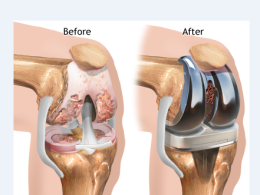





Knee pain can slowly change how a person moves, works, and even rests. For many people, osteoarthritis becomes a daily challenge that affects simple activities like walking or climbing stairs. In recent years, there has been growing interest in the latest breakthroughs in knee osteoarthritis treatment, with a focus on slowing disease progression and improving joint function through advanced clinical research.
These developments are not just about pain relief anymore. They are centered on repairing tissue, reducing inflammation at the source, and improving long-term mobility. Clinical trials are playing a major role in shaping this progress, offering new hope for patients who have not responded well to traditional care.
Understanding knee osteoarthritis and why it is so complex
Knee osteoarthritis is a condition where cartilage gradually wears down inside the joint. Cartilage acts like a cushion between bones, so when it breaks down, friction increases. This leads to pain, swelling, stiffness, and reduced movement.
Several factors contribute to its development. Age is one of the most common. Previous injuries, excess body weight, and genetic factors also increase risk. Over time, the joint becomes less flexible and more sensitive to movement.
One major challenge is that cartilage does not easily heal on its own. Once damage begins, it is hard to reverse using standard treatment options. That is why many patients rely on pain relief medicines, physical therapy, or, in severe cases, joint replacement surgery.
However, these methods often focus on symptoms rather than the root cause. This gap is exactly what new research is trying to address.

Why clinical trials are changing knee osteoarthritis care
Clinical trials are carefully designed studies that test new treatments in real patient groups. They help researchers understand what works, what does not, and what is safe for long-term use.
In knee osteoarthritis, these studies are especially important because they explore options beyond traditional pain management. Instead of just alleviating pain, researchers are now concentrating on repairing joints and promoting biological healing.
Some key reasons clinical trials matter include:
- They test new therapies before public use
- They help identify better long-term outcomes
- They improve the understanding of disease progression
- They support safer and more targeted treatments
- They give patients access to emerging care options
Without clinical trials, most modern treatment advances would not exist. Many of today’s commonly used therapies started as experimental research years ago.
Latest treatment approaches emerging from research
Recent studies on knee osteoarthritis are introducing several promising treatment paths. While not all are widely available yet, the results are encouraging and continue to evolve.
Regenerative medicine approaches
One of the most discussed areas is regenerative medicine. This includes platelet-rich plasma (PRP) therapy and stem cell-based treatments. The goal is to support the body’s natural repair process.
PRP uses components from a patient’s own blood to reduce inflammation and support healing inside the joint. Some clinical trials show improved pain levels and better mobility in early to moderate cases.
Stem cell research is also expanding. Scientists are studying whether certain cells can help regenerate damaged cartilage or slow further breakdown. While still under study, early findings are encouraging in selected patient groups.
Biologic therapies and targeted injections
Another area of progress involves biologic drugs. These treatments focus on specific molecules in the body that cause inflammation. By targeting these pathways, researchers aim to reduce joint damage more effectively than standard pain medicines.
New injection therapies are also being tested. Some are designed to improve lubrication inside the joint, while others work to block inflammatory signals. These treatments may help reduce stiffness and improve daily movement.
Advanced pain modulation techniques
Pain in osteoarthritis is not only physical but also neurological. Because of this, some clinical trials are studying how the nervous system responds to joint damage.
New approaches include:
- Nerve targeting therapies for chronic pain control
- Non opioid medication options
- Low-dose biological agents for inflammation control
- Combination therapies that reduce long-term dependency on painkillers
These methods aim to improve comfort without heavy side effects often linked to long term medication use.
Tissue engineering and cartilage repair research
Scientists are also exploring ways to rebuild cartilage using engineered tissue. This involves growing cartilage like structures in controlled lab settings and testing how they behave once placed in the joint.
While still in early stages, this research could change how severe osteoarthritis is treated in the future. Instead of replacing the joint, the focus may shift toward repairing it.
What patients can expect in clinical trials?
Joining a clinical trial is a structured process. It is not a random treatment. Every step is carefully monitored by medical professionals and research teams.
Most trials follow a clear process:
- Screening to check eligibility
- Baseline health assessments
- Regular monitoring during treatment
- Follow-up visits to track progress
- Safety evaluations at each stage
Patients may benefit from access to new therapies before they are widely available. They also receive close medical supervision, which can help track changes in their condition more closely than standard care.
However, it is also important to understand that results can vary. Not every participant responds in the same way, and some treatments may still be under evaluation for long-term effects.
What makes current research more promising?
Compared to earlier years, today’s research is more focused and targeted. Instead of general pain control, scientists are now studying the root biological changes inside the joint.
A few key improvements in recent studies include:
- Better imaging tools to track cartilage health
- More precise biological markers for inflammation
- Improved patient selection for specific treatments
- Combination therapies instead of single approaches
- Longer follow-up periods for stronger results
These improvements help create more reliable outcomes and a better understanding of how osteoarthritis progresses over time.
Future direction of knee osteoarthritis treatment
The future of knee osteoarthritis care is moving toward personalization. Instead of one standard treatment for everyone, care plans are expected to be tailored based on age, severity, lifestyle, and biological markers.
Researchers are also exploring digital health tools. Wearable devices may help track joint movement and pain patterns in real time. This could allow doctors to adjust treatment more quickly.
In addition, regenerative medicine is likely to expand further as studies continue to show safety and effectiveness in selected groups. While surgery will still remain necessary in advanced cases, earlier intervention may reduce the need for it in the future.
Conclusion
Knee osteoarthritis is a complex condition, but medical research is moving forward at a steady pace. From regenerative medicine to targeted biologic therapies, new studies are reshaping how we understand joint health and pain management.
Clinical trials remain the foundation of this progress. They help test new ideas, improve safety, and bring better options to patients who need them most. For those exploring advanced care options, resources like Physician Research Group (PRG) provide access to ongoing studies and updated medical insights through their platform.
If you are looking to take the next step in exploring advanced care opportunities, it may be helpful to find clinical trials near you and see what options are currently available through trusted research networks.