



In the crowded landscape of clean beauty, Skin Barrier Repair Soaps have emerged as a hero product. These soaps are clinical grade and opposed to generic bath bars, such as eczema, dryness, and sensitivity. Nevertheless, even the most scientifically developed formula will not be able to fetch a high price when it is packed in a forgettable soap packaging.
To brands seeking to scale, the process of switching just soap to luxury essential depends on one thing: personalized soap packaging. The soap packaging is not just about containing the product, but also conveying efficacy, preserving delicate lipid structures, and making the product worth a higher price tag. This is how to create unboxing experiences to increase perceived value and create brand loyalty.
1.The Psychology of “Skin Barrier” Packaging
Luxury consumers buying products to repair barriers are in need of protection and recovery. Your package should have a visual assurance of sterility and gentleness.
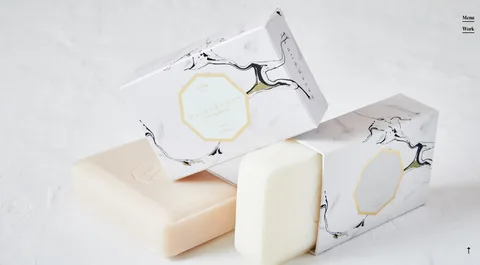
Matte vs. Gloss: High-gloss finishes may feel low-end in the clinical skincare environment. Rather, use soft-touch matte lamination on your custom packaging of the soaps. This plush texture physically resembles the “soft, replenished skin” that your soap offers.
Neutral Palette: Do not use bright unnatural colors. Neutral (cream, taupe, sage green, or slate blue) of medical grade indicates dermatological trust. One pop of metallic foil (copper or rose gold) does not scream but is luxury.
2. Structural Engineering: Moving Beyond the Rectangle
The box shape should be non-standard e-commerce mailers to add value.
Rigid Drawer Box: Sliding out of a rigid sleeve, a telescopic drawer box resembles drawing a hidden solution to a medicine cabinet. It makes it heavier and denser, and instantly distinguishes your brand among the drugstore alternatives.
Window with a View: In the case of barrier repair soaps, transparency generates trust. The customer can observe the unique texture of the soap (e.g. oatmeal flecks or butter swirls) in a custom die-cut window that is covered with a biodegradable cellulose film. This window will serve as a product teaser when it is designed on custom soap packages.
3. Inserts and “The Silent Salesman”
It is the details that are luxury. As the customer opens the lid, what does he see?
Corrugated Nests: Corrugated nests made of corrugated paper pulp substitute plastic shrink wrap and wrap the soap. This keeps the bar dry (which is essential to barrier repair soaps that tend to be high in oil) and strengthens an eco-luxury story.
Tissue Barrier: This involves a sheet of branded acid-free tissue paper over the lid and the soap, which provides an extra rituals touch. It implies that the soap is too valuable to be put in direct contact with the cardboard.
4. Sustainability as a Status Symbol
The contemporary fashion consumer identifies costly with environmentally friendly. Barrier health (micro plastics) and brand value are the foes of Virgin plastic.
Zero-Glue Design: Design your own soap packaging, so they can fit together through tucks and slots instead of using chemical glue. This clean engineering resembles the clean ingredients within the soap.
5. Typography and Tactile Embellishments
Your label must appear as a prescription, but feel like a gift.
Debossing: Deboss the product name on heavy Kraft or cardstock. The brain is informed of this being of high quality by the physical indent.
Foil Stamping: Foil stamping should be done sparingly. A foil-stamped cross-section of a skin cell (the Stratum Carenum) on the lid without uttering a word tells the knowledgeable customer instantly that this is a barrier repair product.
6. Creating a “Second Life” for the Box
The box should not be trash to justify a high pricing of the luxury brand (between 15 and 30 per bar). Customize your own soap packages to transform them to storage.
Travel Case: Design a box that will open and close with a snap to use as a travel case to the soap.
Jewelry Tray: the bottom tray of a stiff box may be lined with felt to make a vanity tray of rings or watches. Print directions on the inside flap of this second life.
7. Copywriting That Converts on the Shelf
Pictures are interesting, words are money.
Bullet Point Hierarchy: Bullet points on the back of the box are to be in a medical style. pH 5.5 Balanced Ceramide Complex Microbiome Safe.
The No List: The no list on Luxury barrier repair soap packaging has a list of what is not in it (No Sulfates, No Fragrance, No Parabens). This is a negative space, which indicates purity.
- Custom soap packaging sensitive skin
- Skin barrier soap wholesale box
- High-end dermatological soap packaging.
Conclusion
The initial treatment in the sphere of skin barrier repair is your soap packaging. It should comfort the nervous customer and appease the indulgent. Investing in a custom-made box of soap using soft-touch materials, structural rigidity, and zero-waste design, you will turn a simple bar of soap into a med-spa necessity. Also remember: customers do not simply purchase a bar of soap, they purchase an experience when the box feels as good as the soap repairs. And such an experience is priceless.