







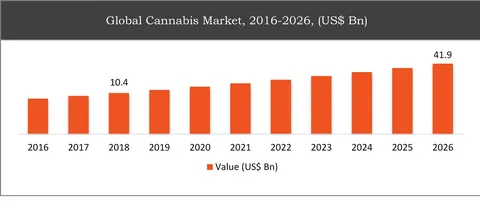
The global marketplace for prescription cannabis therapies has transformed into a dynamic and highly promising sector over the last few years. This industry demonstrates immense commercial momentum on a global scale. According to deep economic research studies, financial analysts valued this specialized therapeutic market space at roughly 12.34 billion dollars back in the year 2022. Industrial experts now project the total sector valuation to climb to an impressive 22.23 billion dollars by the year 2030. This upward trajectory represents a steady compound annual growth rate of 7.63% throughout the specified timeline.
This analytical forecast highlights the core elements driving the industry forward, including primary growth catalysts, key commercial categories, geographic variations, and corporate rivalries. The structured data serves as an essential strategic toolkit for commercial organizations, private financiers, and clinical specialists. These professionals rely on accurate data to maximize emerging financial returns and safely manage fluctuating macroeconomic shifts.
Strategic Movements Within the Competitive Arena
The international landscape for manufacturing prescription cannabinoid treatments is highly competitive. Sector participants face constant pressure to innovate and secure their commercial territory. Corporate entities routinely deploy both organic methods and inorganic growth plans to expand their footprints.
[Key Industry Competitors]
Canopy Growth Corporation
Aurora Cannabis Inc.
Tilray Inc.
Cronos Group Inc
GW Pharmaceuticals plc
Aphria Inc.
Curaleaf Holdings, Inc.
Green Thumb Industries Inc.
MedMen Enterprises Inc.
HEXO Corp
Evaluating these prominent organizations requires a deep look at their internal operational advantages and structural vulnerabilities. Industry analysts also look closely at external commercial openings and threatening industrial barriers. Stakeholders use this valuable corporate intelligence to determine which enterprises possess the strongest long-term survival capabilities. This comprehensive overview allows businesses to build reliable defense mechanisms against aggressive moves from rival brands.
Major Catalysts Shaping Consumer Preferences
Remarkable changes in public perception and medical viewpoints continue to accelerate the adoption of prescription cannabinoid treatments. These positive developments alter traditional consumer selections, unlock critical biotechnology breakthroughs, and inspire legislative transformations across various nations. Recognizing these shifts allows medical companies to modify their operations before major structural transformations occur. This foresight ensures brands can claim untapped market channels ahead of their competitors.
Furthermore, supportive state-level healthcare programs and aggressive research funding heavily boost commercial progression. Manufacturers are launching creative items faster than ever before to satisfy rising patient numbers. This thorough diagnostic document acts as an invaluable guide for corporations aiming to thrive within this fast-moving healthcare landscape.
Organizations can easily choose reliable corporate paths, design impactful promotional campaigns, and retain a competitive edge by utilizing these detailed findings. The provided research also exposes hidden industrial hazards. These threats include suddenly shifting legal mandates and unpredictable economic corrections. Armed with this knowledge, corporations can confidently navigate ambiguous market climates without jeopardizing their financial capital.
Detailed Evaluation of Commercial Categories
A granular analysis of consumer purchasing habits reveals exactly which sub-sectors yield the highest profit margins for medical providers. By studying patient habits, consumer purchasing power, and demographic groupings, medical enterprises can perfect their targeting methods. This precision allows them to deliver customized treatment protocols to specific groups of patients.
Essential Material Formats
Physicians and patients rely on several main delivery formats depending on the specific medical need:
-
Raw Botanical Flowers: Traditional dried plant material used for vaporizing or direct administration.
-
Concentrated Medicinal Oils: Liquid extracts that offer precise dosing capabilities and reliable consistency.
-
Liquid Tinctures: Alcohol-based or glycerin-based solutions absorbed under the tongue for rapid systemic effects.
Dominant Therapeutic Applications
Medical professionals prescribe cannabinoid therapies to treat an array of persistent physical and neurological ailments:
-
Chronic Pain and Severe Migraines: Alleviating continuous physical discomfort and throbbing headaches.
-
Oncology Care and Joint Arthritis: Easing severe chemotherapy nausea and painful joint inflammation.
-
Metabolic Diabetes and Immune Deficiencies: Assisting with blood vessel health and soothing symptoms related to advanced immune disorders like AIDS.
-
Neurodegenerative Conditions: Controlling involuntary shaking in Parkinson’s disease and reducing seizure frequency in severe Epilepsy.
-
Physical Spasms and Mood Dysregulation: Soothing painful muscle contractions and balancing mental states impacted by deep Depression and Anxiety.
Primary Healthcare Environments
The distribution of these complex prescription options occurs across several primary clinical and residential hubs:
-
Industrial Pharmaceutical Corporations: Large-scale manufacturing units that isolate pure compounds for mass distribution.
-
Clinical Testing Laboratories: Research facilities dedicated to testing chemical safety and discovering new applications.
-
Hospitals and Specialized Sanatoriums: Emergency centers and recovery spaces where doctors monitor patient reactions directly.
-
Private Homecare Providers and Rehabilitation Units: Residential settings where nurses support long-term recovery and palliative comfort.
Regional Variances and Analytical Boundaries
Geographic evaluations split the global landscape into five primary zones to track localized consumption spikes. These zones include North America, Europe, the Asia-Pacific region, Latin America, and the joint territories of the Middle East and Africa. Examining these distinct regions allows international corporations to spot unique regulatory openings. They can modify their supply chains to align perfectly with regional laws and maximize their localized presence.
Every geographical pocket behaves differently due to local political climates and cultural acceptance levels. For instance, North American territories often prioritize widespread commercial accessibility, whereas European countries usually mandate strict clinical validations before products reach pharmacy shelves.
[Report Architecture]
1. Introduction of The Global Cannabis Drugs Market
2. Executive Summary & Core Takeaways 3. Comprehensive Research Methodology 4. Global Market Outlook & Value Projections 5. Impact of the Russia-Ukraine War on Supply Chains
This structural framework guides readers through the entire investigative process. The text explains the strict mathematical formulas used to calculate future financial projections. It also digs into unexpected geopolitical disruptions, such as the direct economic fallout from the Russia-Ukraine war. This conflict altered international trade pathways and changed raw material costs. By reviewing these historical milestones and future projections, medical institutions can establish stable foundations for the coming decade.