






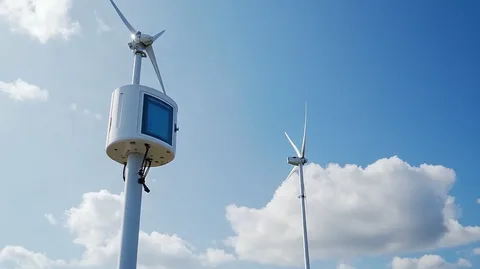
The transition toward renewable energy is accelerating as industries and governments seek cleaner and more sustainable power sources. Solar farms and wind power plants are expanding rapidly, but simply installing renewable infrastructure does not guarantee optimal performance. Environmental monitoring plays a decisive role in ensuring these systems operate efficiently and safely.
Among the most important monitoring tools is the wind speed sensor, which provides real-time atmospheric data that directly influences energy generation, equipment protection, and operational strategy. By converting wind movement into actionable insights, this device helps renewable plants maximize output while reducing risks and maintenance costs.
The Connection Between Wind Monitoring and Energy Efficiency
Energy efficiency in renewable systems depends on how well environmental conditions are understood and managed. Wind conditions affect turbine output, solar panel temperature, structural safety, and energy forecasting accuracy.
Without reliable wind monitoring, renewable plants may face:
- Reduced power generation due to inefficient operation
- Structural damage from extreme weather events
- Poor energy forecasting and grid integration challenges
- Increased maintenance costs and unexpected downtime
Accurate wind data allows plant operators to shift from reactive decision-making to proactive optimization, ultimately improving plant performance and longevity.
Enhancing Wind Turbine Performance
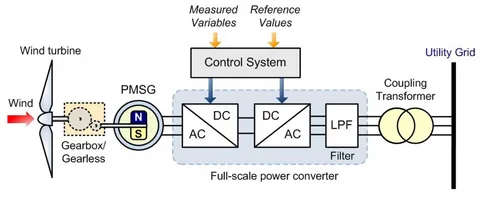
Wind turbines are designed to operate within specific wind ranges. Monitoring air velocity enables turbines to dynamically adapt their behavior for maximum energy capture.
Blade pitch optimization
Wind data helps adjust turbine blade angles to capture the highest possible energy while preventing mechanical stress.
Overspeed protection
During strong gusts, monitoring systems trigger automatic safety mechanisms that prevent turbine overspeed, reducing component wear.
Improved power curve management
Accurate wind data allows operators to refine turbine performance curves, leading to better energy yield and operational efficiency.
Reduced mechanical fatigue
By maintaining turbines within safe operational limits, wind monitoring minimizes stress on critical components, extending equipment lifespan.
Boosting Solar Plant Efficiency Through Wind Insights
While solar energy relies primarily on sunlight, wind conditions significantly influence photovoltaic system performance.
Natural cooling of solar panels
Solar panels lose efficiency when temperatures rise. Wind flow provides a cooling effect that helps maintain optimal operating temperatures and improves power conversion efficiency.
Smart tracker positioning
Solar trackers automatically orient panels toward the sun, but high winds can pose structural risks. Wind monitoring allows trackers to enter safe stow positions during storms, preventing damage and ensuring long-term reliability.
Performance ratio optimization
Wind data enhances the correlation between weather conditions and plant output, enabling operators to identify inefficiencies and improve performance metrics.
Strengthening Safety and Structural Protection
Renewable energy infrastructure is exposed to dynamic environmental conditions. Wind speed sensor is essential for maintaining operational safety and protecting expensive assets.
Key safety benefits include:
- Automatic shutdown during extreme weather
- Structural protection of solar mounting systems
- Prevention of turbine component failure
- Early warning for storm events
- Reduced insurance and risk management costs
By enabling rapid response to changing conditions, wind monitoring significantly reduces the probability of catastrophic equipment damage.
Enabling Predictive Maintenance and Reliability
Modern renewable plants increasingly rely on predictive maintenance strategies supported by environmental data.
Wind monitoring contributes by:
- Identifying abnormal environmental stress patterns
- Supporting failure prediction models
- Improving maintenance scheduling accuracy
- Reducing unplanned downtime
Instead of reacting to failures, operators can anticipate potential issues and perform targeted maintenance, improving overall plant reliability and operational efficiency.
Improving Energy Forecasting and Grid Stability
Accurate energy forecasting is crucial for grid management and financial planning. Wind data enhances forecasting models by providing reliable environmental inputs.
Benefits include:
- Improved short-term power prediction
- Enhanced grid scheduling and dispatch planning
- Better participation in energy trading markets
- Reduced imbalance penalties
Precise forecasting enables renewable plants to operate more competitively and integrate seamlessly into power grids.
Supporting Intelligent Renewable Energy Management
The renewable energy sector is rapidly adopting IoT and digital monitoring technologies. Wind monitoring devices integrated with analytics platforms enable smarter plant management.
Capabilities include:
- Remote environmental monitoring
- Real-time alerts and automated control actions
- Data visualization dashboards
- AI-driven optimization insights
Advanced monitoring ecosystems developed by providers such as Logics Power AMR combine environmental sensing with analytics, helping renewable operators unlock higher efficiency through data-driven decision-making.
Improving Project Planning and Site Selection
Wind monitoring is equally important during the design and planning stages of renewable projects.
For wind farms, long-term wind data helps determine turbine placement and expected energy yield. In solar plants, wind analysis supports structural design decisions, tracker selection, and mounting system optimization.
This data-centric approach leads to:
- Better project feasibility assessments
- Reduced structural risks
- Higher lifetime energy generation
- Optimized infrastructure investment
Key Characteristics of Effective Wind Monitoring Devices
When selecting monitoring equipment for renewable projects, essential features include:
- High measurement accuracy and low startup threshold
- Wide operating range for diverse environmental conditions
- Durable construction for outdoor installations
- Compatibility with SCADA and monitoring platforms
- Minimal maintenance requirements
- Real-time data transmission capability
Reliable devices ensure consistent environmental data, which is fundamental for optimizing renewable plant performance.
Emerging Trends in Wind Monitoring Technology
As renewable energy infrastructure evolves, wind monitoring technology is becoming more advanced and intelligent.
Future developments include:
- AI-powered predictive weather analytics
- Wireless and low-power IoT sensors
- Integration with digital twin models
- Hybrid weather monitoring stations
- Automated energy optimization algorithms
These innovations will enable renewable plants to achieve higher efficiency, improved reliability, and lower operational costs.
Conclusion
Maximizing renewable energy efficiency requires more than harnessing sunlight and wind; it demands precise environmental awareness and intelligent operational strategies. Wind speed sensor plays a crucial role in optimizing turbine performance, improving solar plant efficiency, enhancing safety, and enabling predictive maintenance.
By delivering accurate real-time atmospheric data, this technology empowers renewable operators to make smarter decisions, reduce risks, and improve energy yield. As renewable infrastructure continues to expand worldwide, environmental monitoring will remain a cornerstone of efficient and sustainable power generation.
Solutions built around advanced sensing technologies, including modern wind monitoring systems, are shaping the future of renewable energy by bridging the gap between environmental conditions and operational intelligence.