




Construction equipment is expensive to buy, expensive to run, and even more expensive to mismanage. A machine that is lost, idle, overused, underused, poorly maintained, or assigned to the wrong job can quietly reduce profit long before anyone notices it in the numbers. That is why construction equipment management software has become important for contractors that want better visibility, stronger cost control, and fewer operational surprises.
Poor equipment management does not always look like a major breakdown. Sometimes it looks like one extra rental, one delayed service, one missing attachment, one unnecessary move, or one machine sitting unused while another jobsite waits. These small issues build into a serious business problem.
Why Equipment Management Matters More Than Ever
Modern construction companies operate under tight margins, labor pressure, equipment shortages, rental costs, fuel volatility, and demanding project schedules. In that environment, equipment cannot be managed casually.
Every machine needs to be visible. Every hour should be understood. Every repair should be tracked. Every assignment should make sense. Every cost should connect back to the project.
When those pieces are disconnected, contractors lose control.
Equipment Is a Profit Tool, Not Just an Asset
It is easy to think of equipment as something the company owns. But in practical terms, equipment is a production tool. It only supports profit when it is available, reliable, and used correctly.
A paid-off machine can still lose money if it sits idle. A newer machine can still hurt margins if it is assigned poorly. A rental can still make sense if it prevents schedule delays. The right decision depends on data.
The Hidden Costs Contractors Often Miss
Poor equipment management creates direct and indirect costs. The direct costs are easier to see. Repairs, rentals, parts, fuel, and transport show up clearly. The indirect costs are harder to measure but often more damaging.
Idle Time
Idle equipment burns fuel, adds engine hours, increases wear, and produces no value. If managers cannot see idle time by asset, operator, or jobsite, the cost stays hidden.
Underutilization
Some machines spend too much time sitting. This may happen because teams do not know where the asset is, whether it is available, or whether another project needs it.
Underutilization often leads to poor capital decisions. A contractor may buy more equipment even though existing machines are not being used efficiently.
Missed Maintenance
Equipment that misses service intervals becomes more likely to fail. A small maintenance task can become a major repair if ignored.
Unnecessary Rentals
Rentals are often approved because owned equipment cannot be located, confirmed, transported, or trusted to perform. Better visibility can reduce those avoidable rental decisions.
Poor Cost Allocation
If equipment costs are not assigned accurately to jobs, project profitability becomes unclear. A job may look profitable because equipment costs were not captured correctly.
How Management Software Solves the Visibility Problem
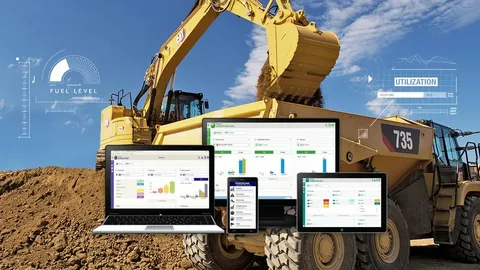
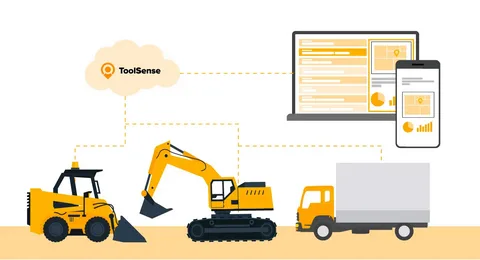
Construction equipment management software brings equipment data into one system. It helps contractors track location, availability, assignments, utilization, maintenance, inspections, repairs, costs, and asset history.
The most important benefit is not just better records. It is better decision-making.
A Single Source of Truth
Disconnected systems create conflicting answers. A spreadsheet may say one thing. A telematics portal may say another. A supervisor may have a different update. That confusion slows decisions.
A single equipment management system gives teams one reliable place to check equipment status.
Better Control Across Jobsites
Construction companies often operate across multiple sites at once. Without centralized equipment visibility, each jobsite may act like its own island.
That leads to duplicated effort, poor sharing, and unnecessary spending. A connected system helps the company manage equipment as one fleet instead of scattered site-level inventories.
Better Data Improves Maintenance and Utilization
Equipment management is strongest when it connects maintenance and utilization. These two areas are closely linked.
If a machine is heavily used, it needs closer maintenance attention. If a machine is barely used, leaders need to know why. If one machine has repeated repairs, it may need replacement. If another has low utilization, it may be sold or reassigned.
Engine Hours Matter
Engine hours help maintenance teams plan service based on real usage. They also help leaders understand machine workload.
When engine-hour data is connected with maintenance records, contractors can avoid missed services and reduce surprise downtime.
Mixed-Fleet Data Matters
Many contractors run mixed fleets from different manufacturers. That makes equipment data harder to standardize. The ISO 15143-3 standard is designed to provide mobile machinery status data from telematics providers to customer applications, which supports better mixed-fleet visibility.
Equipment Management Supports Security
Poor equipment control also increases theft risk. When companies do not know where assets are supposed to be, it becomes harder to spot unauthorized movement.
Heavy equipment theft remains a major financial problem. The National Equipment Register notes that estimated annual heavy equipment theft is roughly $300 million to $1 billion.
Location and Assignment History Help
A strong equipment management system can show where an asset was last seen, who used it, when it moved, and whether it left an approved area. That information helps with both prevention and recovery.
How Software Helps Leadership Make Better Decisions
Executives and operations leaders need more than day-to-day equipment updates. They need business-level insight.
Construction equipment management software can help answer questions such as:
- Which equipment costs the most to maintain?
- Which assets are underused?
- Which jobsites create the most equipment downtime?
- Which machines should be replaced?
- Which rentals should become owned assets?
- Which owned assets should be sold?
This moves equipment management from reactive operations into strategic planning.
Repair, Replace, or Rent
One of the hardest decisions in construction is knowing when to repair, replace, or rent. Without data, the decision becomes emotional. With data, leaders can compare maintenance cost, downtime, utilization, age, rental alternatives, and project demand.
That is where software provides real value.
What Contractors Should Look For
The best equipment management platform should fit construction workflows, not generic office inventory processes.
Core Features
Important features include:
- Equipment location tracking
- Utilization reporting
- Maintenance scheduling
- Digital inspections
- Work order management
- Repair history
- Cost tracking
- Telematics integration
- Dispatch visibility
- Rental tracking
- Mobile access
Ease of Use
The system must be simple enough for field teams and detailed enough for managers. If it only works for the office, the field data will be weak. If it only works for the field, leadership will not get the reporting they need.
The Bottom Line
The hidden cost of poor equipment management is not one big problem. It is many small problems happening every day. Idle machines, missed maintenance, duplicate rentals, lost assets, weak cost allocation, and poor utilization all reduce profit.
Construction equipment management software helps contractors turn scattered equipment activity into clear, usable data. It gives teams better control over location, maintenance, cost, availability, and performance.
In construction equipment control is margin control. Contractors that manage machines with real visibility will make better decisions, reduce waste, and get more value from every asset they own or rent.