



The cryptocurrency fundraising landscape has evolved significantly over the past decade. Early blockchain projects primarily relied on Initial Coin Offerings (ICOs) to raise capital, attracting billions of dollars from investors worldwide. However, concerns regarding regulatory uncertainty, fraud, and lack of investor protection led the industry to explore more transparent and decentralized fundraising mechanisms. One of the most successful innovations to emerge from this evolution is the Initial DEX Offering (IDOs).
An IDO is a token fundraising method conducted through decentralized exchanges (DEXs), enabling blockchain startups to raise capital while providing investors with immediate access to token liquidity. Unlike traditional fundraising models that rely on centralized intermediaries, IDOs leverage smart contracts, decentralized finance (DeFi) protocols, and automated market makers (AMMs) to create a more efficient and transparent fundraising ecosystem.
Today, IDOs have become a preferred fundraising mechanism for many blockchain ventures due to their accessibility, reduced barriers to entry, and community-driven nature. However, while IDOs offer numerous advantages, they also introduce unique risks that project teams and investors must carefully navigate. Understanding the benefits, challenges, and best practices associated with IDOs is essential for building successful crypto projects and protecting stakeholder interests.
IDO Development and Its Growing Importance
As blockchain adoption continues to expand, professional IDO Development, strategic fundraising planning, and robust token launch mechanisms have become critical factors for project success. Many startups partner with an experienced IDO Development Company to streamline token launches, ensure smart contract security, and maximize investor participation. Specialized IDO Development Services help projects design tokenomics, integrate decentralized exchange infrastructure, conduct security audits, and create compliant fundraising frameworks that align with industry standards.
The increasing demand for IDO solutions is largely driven by the rapid growth of decentralized finance. According to industry reports, DeFi protocols collectively manage tens of billions of dollars in total value locked (TVL), creating a mature ecosystem capable of supporting large-scale fundraising activities. Launchpads such as Polkastarter, DAO Maker, BSCPad, and GameFi have demonstrated how structured IDO ecosystems can connect innovative projects with global investor communities.
Unlike traditional fundraising methods, IDO development focuses heavily on decentralization, community participation, and immediate market access. Investors no longer need to wait for exchange listings after a token sale. Instead, tokens become tradable almost instantly upon completion of the offering, significantly enhancing liquidity and market efficiency.
As competition within the blockchain sector intensifies, high-quality IDO development services have become essential for projects seeking sustainable growth, investor trust, and long-term market relevance.
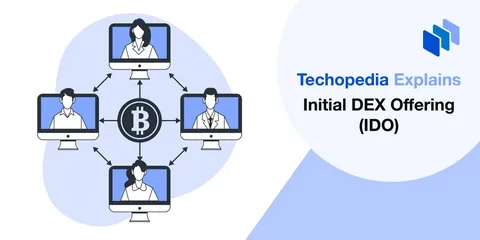
What Is an Initial DEX Offering (IDO)?
An Initial DEX Offering is a token sale conducted through a decentralized exchange or launchpad platform. During an IDO, investors purchase newly issued tokens before they become widely available on the open market. Once the fundraising phase concludes, liquidity pools are established on decentralized exchanges, allowing tokens to be traded immediately.
The process typically involves several stages:
- Project evaluation and launchpad approval
- Smart contract deployment
- Token allocation planning
- Community marketing campaigns
- Investor whitelisting
- Token sale execution
- Liquidity pool creation
- Public trading launch
The decentralized nature of IDOs removes many of the barriers associated with traditional fundraising methods. Participants can often join using non-custodial wallets without creating accounts or surrendering control of their assets.
This approach aligns closely with the broader principles of blockchain technology, emphasizing transparency, accessibility, and decentralization.
How IDOs Differ from ICOs and IEOs
To fully appreciate the significance of IDOs, it is important to understand how they differ from earlier fundraising models.
Initial Coin Offerings (ICOs)
ICOs gained immense popularity during the 2017 cryptocurrency boom. Projects sold tokens directly to investors, often before a working product existed. While some successful projects emerged, many ICOs lacked transparency and investor protections.
Challenges associated with ICOs included:
- High incidence of scams
- Limited accountability
- Delayed exchange listings
- Regulatory concerns
- Lack of liquidity
Initial Exchange Offerings (IEOs)
IEOs attempted to address ICO shortcomings by involving centralized exchanges as intermediaries. Exchanges conducted due diligence, hosted token sales, and listed tokens after fundraising.
Although IEOs improved credibility, they introduced new limitations:
- High listing fees
- Centralized control
- Geographic restrictions
- Dependence on exchange approval
Initial DEX Offerings (IDOs)
IDOs combine many of the advantages of both ICOs and IEOs while minimizing their drawbacks.
Key advantages include:
- Decentralized fundraising
- Lower launch costs
- Immediate liquidity
- Global participation
- Reduced intermediary dependence
- Enhanced transparency
These characteristics have made IDOs one of the most popular fundraising mechanisms within the DeFi ecosystem.
Major Benefits of IDOs for Crypto Projects
Faster Access to Capital
Traditional fundraising processes can take months to complete due to extensive negotiations, approvals, and intermediary involvement. IDOs streamline fundraising by leveraging automated smart contracts and decentralized infrastructure.
Projects can rapidly raise funds while maintaining greater control over their token distribution strategies.
Immediate Liquidity
One of the most significant advantages of IDOs is instant liquidity.
Following the token sale, liquidity pools are created on decentralized exchanges. Investors can immediately trade tokens, reducing waiting periods and increasing market efficiency.
This liquidity benefits both investors and project teams by creating a more active trading environment from the outset.
Lower Costs
Launching a token through a decentralized platform is generally less expensive than pursuing centralized exchange listings or traditional fundraising routes.
Projects can allocate more resources toward:
- Product development
- Community building
- Security enhancements
- Marketing initiatives
Reduced operational costs make IDOs particularly attractive for early-stage startups.
Global Accessibility
IDOs enable participation from users across multiple jurisdictions, subject to applicable regulations.
Anyone with a compatible crypto wallet and internet connection can potentially participate in token sales, creating a broader investor base and stronger community engagement.
Community-Driven Growth
Successful blockchain projects rely heavily on community support.
IDOs encourage active participation by allowing community members to become early stakeholders. This ownership model often fosters stronger engagement, advocacy, and long-term ecosystem growth.
Risks Associated with IDOs
Despite their advantages, IDOs are not without risks.
Smart Contract Vulnerabilities
Smart contracts serve as the foundation of IDO operations. Coding errors or security flaws can lead to severe financial losses.
Several DeFi incidents have demonstrated how vulnerabilities can be exploited to drain liquidity pools or manipulate token sales.
Comprehensive auditing and rigorous testing remain essential safeguards.
Market Volatility
Cryptocurrency markets are inherently volatile.
Newly launched tokens frequently experience dramatic price fluctuations immediately after listing. Rapid buying and selling activity can create significant uncertainty for both investors and project teams.
Without proper tokenomics and liquidity management, projects may struggle to maintain price stability.
Regulatory Uncertainty
Global regulatory frameworks for cryptocurrencies continue to evolve.
Authorities in various jurisdictions are developing rules governing token issuance, securities classifications, investor protections, and anti-money laundering compliance.
Projects conducting IDOs must remain aware of applicable legal requirements to minimize compliance risks.
Fraudulent Projects and Rug Pulls
The decentralized nature of IDOs can attract malicious actors seeking to exploit investors.
In some cases, project founders abandon initiatives after raising funds, commonly referred to as rug pulls.
Investors should carefully evaluate:
- Team credibility
- Project transparency
- Token utility
- Smart contract audits
- Community engagement
Due diligence remains one of the most effective defenses against fraud.
Liquidity Risks
Insufficient liquidity can negatively impact token performance.
Low liquidity levels may result in:
- Extreme price swings
- Poor trading conditions
- Reduced investor confidence
- Market manipulation opportunities
Projects must establish sustainable liquidity strategies to support healthy trading environments.
Best Practices for a Successful IDO
Design Sustainable Tokenomics
Tokenomics directly influences long-term project viability.
Effective token models should balance:
- Investor incentives
- Ecosystem growth
- Utility creation
- Supply management
Excessive token allocations to insiders or early investors can create sell pressure and undermine market confidence.
Conduct Comprehensive Security Audits
Security should never be treated as an afterthought.
Independent audits help identify vulnerabilities before deployment. Multiple audit reviews, penetration testing, and bug bounty programs can further strengthen platform resilience.
Projects that prioritize security are more likely to earn investor trust.
Build a Strong Community Before Launch
Community support often determines whether an IDO succeeds or fails.
Successful projects typically invest months in:
- Social media engagement
- Educational content
- AMA sessions
- Developer updates
- Community governance initiatives
A well-informed and engaged community provides valuable momentum during and after the fundraising phase.
Select the Right Launchpad
Not all launchpads offer the same level of visibility, security, or investor access.
Project teams should evaluate launchpads based on:
- Reputation
- User base
- Security standards
- Historical performance
- Marketing support
Partnering with a reputable platform can significantly improve fundraising outcomes.
Ensure Regulatory Awareness
While decentralization remains a core principle of blockchain technology, regulatory compliance is becoming increasingly important.
Projects should seek professional legal guidance regarding:
- Securities regulations
- KYC requirements
- AML compliance
- Investor eligibility restrictions
Proactive compliance efforts can reduce future legal challenges.
Maintain Transparency
Transparency builds credibility.
Project teams should regularly communicate:
- Development milestones
- Token allocation details
- Treasury management strategies
- Roadmap progress
- Governance decisions
Investors are more likely to support projects that demonstrate accountability and openness.
Real-World Examples of Successful IDOs
Several blockchain projects have successfully leveraged IDOs to accelerate growth.
Polkastarter-hosted projects have collectively raised millions of dollars while attracting substantial community participation. Similarly, numerous GameFi and DeFi projects utilized IDO launchpads to secure early funding and establish active user bases.
These success stories demonstrate that well-executed IDOs can provide meaningful opportunities for both startups and investors. However, they also highlight the importance of strong fundamentals, transparent leadership, and effective execution.
The most successful projects focus not merely on raising capital but on building sustainable ecosystems that deliver long-term value.
The Future of IDOs
The future of IDOs appears closely tied to the continued growth of decentralized finance and Web3 technologies.
Several emerging trends are shaping the next generation of token fundraising:
- Cross-chain launchpad integration
- Decentralized governance participation
- Enhanced investor protection mechanisms
- Improved compliance frameworks
- AI-driven risk assessment tools
- Institutional participation in decentralized fundraising
As blockchain infrastructure matures, IDOs are likely to become more sophisticated, secure, and accessible.
Projects that combine technological innovation with responsible fundraising practices will be best positioned to capitalize on these evolving opportunities.
Conclusion
Initial DEX Offerings have transformed cryptocurrency fundraising by providing decentralized, transparent, and efficient alternatives to traditional token sale models. Their ability to deliver immediate liquidity, global accessibility, and community-driven participation has made them a preferred choice for many blockchain startups. However, success requires careful planning, secure smart contract development, sustainable tokenomics, regulatory awareness, and ongoing transparency.
By following proven best practices and leveraging experienced industry partners, projects can significantly improve their chances of achieving successful fundraising outcomes and long-term ecosystem growth. For organizations seeking expert support, Blockchain App Factory provides comprehensive blockchain and IDO development solutions, helping businesses launch secure, scalable, and successful token offerings in the rapidly evolving Web3 landscape.