




Launching clothing through scheduled product drops has become one of the most effective ways for brands to build excitement, manage inventory, and keep customers engaged. Instead of releasing an entire seasonal collection at once, a drop-based strategy introduces limited products at specific times. This approach creates anticipation, encourages faster purchasing decisions, and allows brands to respond to customer demand more efficiently.
In the early planning stage, working with Custom clothing manufacturers can help ensure each drop is produced with consistent quality, realistic timelines, and the flexibility needed for limited releases. This is especially valuable for new and growing brands that want to scale without taking on unnecessary inventory risks.
Understand the Purpose of a Product Drop
A clothing drop is a planned release of a limited number of products on a specific date. Unlike traditional fashion collections, drops focus on exclusivity and timing. Customers know that once the products sell out, they may not return.
This strategy helps brands:
- Create excitement around every launch
- Avoid producing excess inventory
- Test new styles with less financial risk
- Keep customers returning for future releases
- Build stronger brand loyalty
A successful drop is more than just releasing products. It requires careful planning, marketing, and execution.
Define the Theme of Each Collection
Every drop should have a clear concept. A strong theme gives customers a reason to connect with the collection and makes marketing much easier.
Some ideas include:
- Seasonal collections
- Streetwear-inspired releases
- Performance apparel
- Minimalist essentials
- Graphic-focused collections
- Limited edition collaborations
A consistent theme helps products look connected instead of appearing as random individual pieces.
Focus on a Small Product Line
One common mistake is launching too many products at once. A focused collection is easier to produce, market, and sell.
Many successful drops include only a few carefully selected items, such as:
- T-shirts
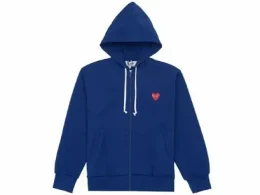
- Hoodies
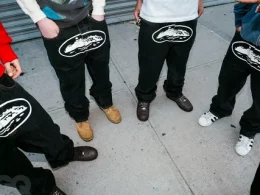
- Sweatpants
- Shorts
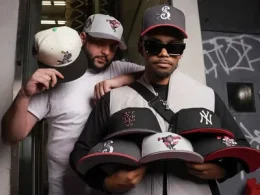
- Caps
- Jackets
A smaller collection allows you to maintain quality while making each product feel more exclusive.
Research Your Audience before Production
Understanding your customers reduces the chances of producing items that fail to sell.
Before finalizing designs, gather information through:
- Social media polls
- Customer surveys
- Email feedback
- Previous sales data
- Website analytics
These insights help you understand preferred colors, sizes, graphics, and product categories.
Listening to your audience before production often leads to stronger sales after launch.
Build a Production Timeline
Drop-based collections depend heavily on timing. Missing a launch date can reduce excitement and affect customer trust.
Create a production schedule that includes:
- Design completion
- Sample approval
- Material sourcing
- Manufacturing
- Quality inspection
- Packaging
- Shipping
- Marketing preparation
Giving yourself additional time for unexpected delays helps keep the launch on track.
Prioritize Quality Over Quantity
Customers who purchase limited drops often expect premium quality. If the first release disappoints, they are less likely to return for future launches.
Pay close attention to:
- Fabric quality
- Stitching consistency
- Print durability
- Accurate sizing
- Comfortable fit
- Packaging presentation
A smaller collection makes it easier to maintain higher production standards across every item.
Create Pre-Launch Excitement
Marketing should begin well before the products become available.
Effective promotional strategies include:
- Countdown posts
- Behind-the-scenes production updates
- Product previews
- Email announcements
- Influencer collaborations
- Short product videos
- Limited sneak peeks
The goal is to make customers anticipate the launch rather than discover it after it happens.
Keep Inventory Limited
Scarcity is one of the biggest advantages of drop-based collections. Producing limited quantities encourages faster purchasing decisions because customers know products may not be restocked.
However, inventory should still be based on realistic demand. Producing too few items can disappoint loyal customers, while producing too many reduces the exclusivity that makes drops successful.
Review previous sales and customer engagement to estimate production quantities more accurately.
Price Your Collection for Long-Term Success
Pricing plays an important role in the success of every clothing drop. While it can be tempting to set lower prices to attract buyers, pricing should reflect the quality of your products, production costs, packaging, shipping, and your brand positioning. Customers are often willing to pay more for limited collections if they believe the products offer good value and are produced with attention to detail.
Before announcing your drop, calculate all costs involved and determine a healthy profit margin. Compare your pricing with brands targeting a similar audience, but avoid competing solely on price. A well-priced collection helps maintain profitability while reinforcing your brand’s image. Consistent pricing across multiple drops also builds customer trust and makes future collections easier to position in the market.
Create a Smooth Launch Experience
Customers should be able to purchase products quickly and easily on launch day.
Before releasing the collection, verify that:
- Your website performs well under heavy traffic
- Product pages include detailed descriptions
- Size charts are accurate
- Checkout works properly
- Payment options function correctly
- Shipping information is clear
A smooth shopping experience can significantly improve conversion rates during high-demand launches.
Learn From Every Drop
Every product release provides valuable information for future collections.
After each launch, review metrics such as:
- Best-selling products
- Sell-through rates
- Website traffic
- Customer feedback
- Return rates
- Popular sizes
- Marketing performance
These insights help improve future drops and make better production decisions.
Continuous improvement is one of the biggest advantages of the drop model because every release becomes an opportunity to refine your strategy.
Prepare for Growth after a Successful Drop
A successful clothing drop is only the beginning. As your audience grows, you should be ready to increase production capacity, improve operations, and expand your product range without sacrificing quality. Planning ahead allows you to respond confidently when demand increases instead of rushing decisions after products sell out.
Document what worked well during each release, including marketing strategies, production timelines, customer feedback, and sales performance. These insights will help you streamline future launches and reduce avoidable mistakes. Over time, consistently delivering well-planned collections can establish your brand as reliable, encourage repeat purchases, and create anticipation for every new drop you release.
Build Long-Term Customer Loyalty
Drop-based collections should not only generate immediate sales but also encourage repeat customers.
Keep your audience engaged between launches by:
- Sharing upcoming concepts
- Collecting customer feedback
- Offering early access to subscribers
- Posting production updates
- Rewarding returning customers
When customers feel connected to the brand, they are more likely to participate in future releases.
Make Every Drop Count
Creating successful drop-based clothing collections requires thoughtful planning, disciplined production, and consistent execution. Rather than focusing on releasing a large number of products, successful brands prioritize quality, timing, and customer experience.
By understanding your audience, producing focused collections, maintaining high standards, and learning from each release, you can build momentum with every drop. Over time, this approach helps strengthen your brand, improve inventory management, and create lasting demand for future collections.