






The global healthcare and pharmaceutical industry is expanding rapidly. As new diseases emerge and medical technologies advance, the demand for safe and effective treatments continues to grow. In this environment, clinical research plays a vital role in developing and testing new drugs, therapies, and medical devices.
Because of this rising demand, Clinical Research Courses have become one of the most popular career choices for students from life sciences, pharmacy, medicine, and biotechnology backgrounds. These programs prepare learners with the knowledge and practical skills needed to work in clinical trials and pharmaceutical research.
Clinical research is a structured process that evaluates the safety and effectiveness of medical innovations. With proper training, professionals can contribute directly to improving global healthcare outcomes while building strong, future-ready careers.
What Are Clinical Research Courses?
Clinical Research Courses are professional training programs designed to provide a deep understanding of clinical trials and drug development. These courses cover every stage of research, from laboratory testing to post-marketing surveillance of approved medicines.
Students learn how new drugs and treatments are tested on human volunteers under strict ethical and regulatory guidelines. The training also focuses on data management, safety reporting, and regulatory compliance.
Most programs follow international standards such as ICH-GCP (Good Clinical Practice), US FDA regulations, EMA guidelines, and CDSCO requirements. This global approach ensures that learners are prepared for both national and international job markets in pharmaceutical companies and Contract Research Organizations (CROs).
Who Can Enroll in Clinical Research Courses?
One of the biggest advantages of this field is its wide accessibility. Clinical Research Courses are open to candidates from various educational backgrounds.
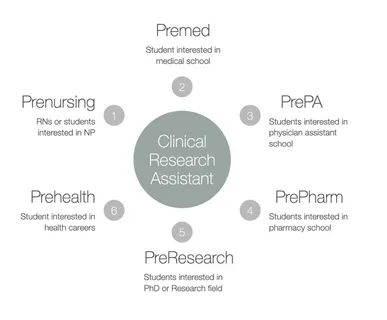
Students who can apply include graduates and postgraduates in pharmacy, life sciences, biotechnology, microbiology, chemistry, nursing, and medicine. Professionals already working in healthcare or pharmaceuticals can also enroll to upgrade their skills.
Even fresh graduates can start their careers through beginner-level programs, while advanced courses are available for experienced professionals looking for specialization. This flexibility makes clinical research an attractive career option for many aspirants.
Key Modules Covered in Clinical Research Courses
A well-structured clinical research program includes both theoretical knowledge and practical training. The curriculum is designed to build strong industry readiness. Students begin with an introduction to clinical research and the drug development process. They then study clinical trial phases, including Phase I to Phase IV studies. Each phase focuses on different aspects such as safety, dosage, and long-term effectiveness.
Other important topics include ICH-GCP guidelines, clinical trial design, and protocol development. Regulatory affairs and ethics committee submissions are also covered in detail to ensure compliance with global standards.
Additionally, learners gain knowledge in clinical data management, biostatistics, medical writing, pharmacovigilance, and safety reporting. Training also includes audits, inspections, and quality assurance systems. Hands-on projects and case studies further enhance practical understanding, making students job-ready.
Benefits of Pursuing Clinical Research Courses
Clinical research offers several career and personal growth advantages. One of the main benefits is the high industry demand for trained professionals. Pharmaceutical companies and research organizations are constantly seeking skilled individuals to manage clinical trials.
Another key advantage is global career opportunities. Since the curriculum follows international standards, professionals can work in India as well as abroad. Clinical research also offers diverse job roles. This reduces career limitations and allows professionals to explore different paths in the healthcare sector.
In addition, salary packages in this field are competitive. Certified professionals working in CROs and multinational companies often receive attractive compensation. Finally, the healthcare industry is relatively stable and recession-resistant. This ensures long-term career security and steady growth opportunities.

Career Opportunities After Clinical Research Courses
After completing Clinical Research Courses, candidates can explore a wide range of job roles. These include positions such as Clinical Research Coordinator, Clinical Research Associate, and Clinical Trial Assistant. Other career options include Regulatory Affairs Executive, Clinical Data Manager, Medical Writer, Pharmacovigilance Officer, and Quality Assurance Executive.
Professionals can find employment in pharmaceutical companies, CROs, hospitals, research institutions, and academic organizations. As the industry continues to grow, new roles are also emerging, offering even more opportunities for skilled professionals.
Why Choose Certified Clinical Research Courses?
Choosing a certified program is important for building a successful career in this field. Certified courses ensure that the curriculum is updated according to global regulations and industry requirements. Experienced trainers from the pharmaceutical industry provide practical insights and real-world knowledge. This helps students understand how clinical trials are conducted in real settings.
Many institutes also offer hands-on training through live projects, which improves confidence and practical skills. Placement assistance and career guidance further help students secure jobs in top companies. A recognized certification also strengthens your resume and increases your chances of selection during interviews.
Future Scope of Clinical Research Courses
The future of clinical research is extremely promising. India is emerging as a global hub for clinical trials due to its large patient population, skilled workforce, and cost-effective research environment. Government support and increased investment in research and development are further boosting the industry. As a result, demand for trained clinical research professionals is rising steadily.
Moreover, advancements in personalized medicine, biotechnology, and biologics are expanding the scope of this field. New therapies require advanced research and testing, which creates more job opportunities. Therefore, Clinical Research Courses offer a future-proof career path with strong growth potential.
Conclusion
Clinical research is a dynamic and rewarding field that plays a crucial role in improving global healthcare. It ensures that new medicines and treatments are safe, effective, and reliable. By enrolling in Clinical Research Courses, students gain essential knowledge, technical skills, and regulatory understanding required to succeed in this industry. These programs open doors to global career opportunities, financial stability, and long-term professional growth.
As the pharmaceutical and healthcare sectors continue to expand, clinical research professionals will remain in high demand, making this one of the most promising career choices today.