






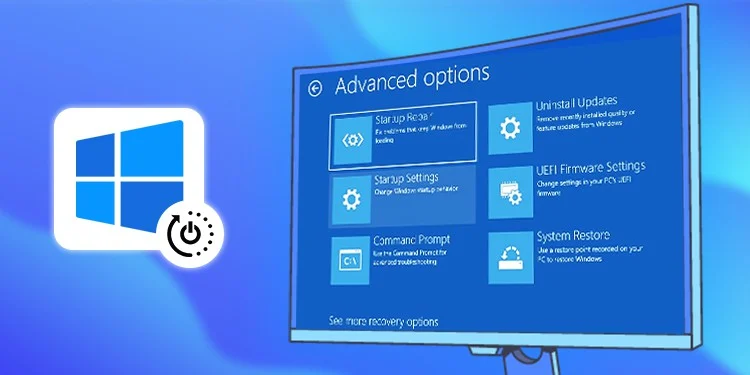
Introduction to Advanced startup Options
The Advanced Boot Options menu supplies users with access to diverse advanced diagnostic modes. These features enable you to identify and fix problems during Advanced startup and perform required system repairs., Pressing the F8 key while Windows is loading will display the menu.
The Benefits of Knowing Safe Mode
Safe Mode offers advanced diagnostic capabilities through its inclusion in the Advanced Startup Options list. Safe Mode enables Windows to launch with just the indispensable programs and services, thus mitigating any disputes sparked by external software or hardware. A problem’s absence in Safe Mode can indicate software flaws.,
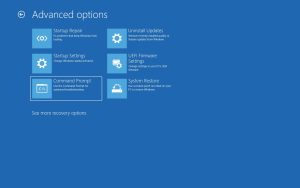
Exploring Other Troubleshooting Modes
Advanced Startup offers alternative modes tailored for system managers and IT professionals aside from Safe Mode. These modes enable advanced functionality for extensive problem resolution. Tech experts can utilize these choices for essential system repair and setup jobs.
Unleashing Hidden Startup Potential - A Comprehensive Guide
To access Advanced Startup Options, follow these steps:
Take away any unnecessary disk drives from your computer.
Follow the prompts by clicking on the Start button, then the arrow icon adjacent to Shut Down or Lock.,
The menu provides the option to restart. Choose it.
The next steps differ based on the number of operating systems installed on your computer:
For a single operating system: Hit the F8 key continuously while your PC is powering up. Reload the Windows interface and press F8 after seeing the Windows logo. Try again once more after that.,
For multiple operating systems: Press F8 after using the arrow keys to highlight the desired OS.
The arrow keys enable you to navigate the Boot Options menu, and pressing Enter will begin the chosen option.
Different Advanced Startup Options include:
Safe Mode with Networking: The network capabilities of Safe Mode are provided by integrated drivers and services.,
Safe Mode with Command Prompt: IT experts will appreciate the command prompt start option for Windows.
Enable Boot Logging: Startup driver information is recorded in ntbtlog.txt through this option.
Enable Low-Resolution Video (640×480): Starting Windows with customized video driver settings. Useful for resetting display settings.
Last Known Good Configuration (advanced): Beginning Windows with previously effective registry and device configuration.
Directory Services Restore Mode: Starting Windows domain controllers for Active Directory recovery using this mode is feasible.
Debugging Mode: The advanced troubleshooting options in this mode are tailored for IT pros and system admin.,
Disable Automatic Restart on System Failure: The selected option safeguards against Windows restart loops due to glitches.
Disable Driver Signature Enforcement: Enables the setup of motorists sporting invalid digital signatures.
Start Windows Normally: Initiating this option enables the regular Windows operating mode.,
Accomplishing these objectives through clever use of Advanced Startup Options can guarantee a flawless computing experience.