



Australian businesses are operating in a more demanding work environment than they did a decade ago. Hybrid work models, labor shortages, rising operational costs, and compliance requirements are forcing organizations to rethink how they manage employees across locations and shifts. As a result, many companies are investing in workforce management systems in Australia to improve efficiency, visibility, and workforce coordination.
Employee productivity tracking has also become more data-driven. Managers are no longer relying only on spreadsheets, manual attendance records, or verbal reporting. Modern workforce platforms provide real-time operational insights that help businesses understand staffing gaps, workload distribution, attendance patterns, and shift performance.
The adoption of workforce management systems in Australia is increasing across industries such as retail, healthcare, logistics, hospitality, and construction. These systems are helping businesses reduce administrative delays, improve workforce communication, and make better operational decisions through analytics and automation.
Workforce Management Systems
What Is a Workforce Management System?
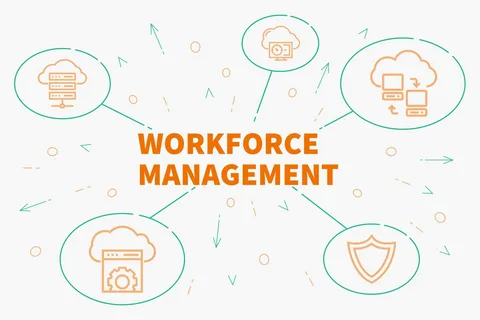
A workforce management system is a software platform designed to manage employee scheduling, attendance tracking, workforce planning, payroll coordination, and productivity monitoring. Its main purpose is to help businesses manage labor resources more efficiently while improving operational visibility.
Modern workforce systems combine multiple operational functions into a centralized platform. Managers can monitor workforce activities in real time, while employees can access schedules, leave balances, and shift updates through mobile applications or web portals.
Key Components of Workforce Management Platforms
Most workforce management platforms include several core modules:
- Employee scheduling and shift management
- Attendance and time tracking
- Payroll and leave coordination
- Workforce analytics systems
- Mobile workforce access
- Task assignment and reporting tools
These capabilities help businesses reduce manual work and maintain better control over workforce operations management.
Evolution From Manual Workforce Processes
Traditional workforce processes often depended on paper records, spreadsheets, and disconnected payroll systems. These methods created delays, data inconsistencies, and scheduling conflicts. They also made it difficult for managers to monitor productivity across departments or locations.
Modern workforce systems use cloud infrastructure, mobile access, and automation to centralize workforce operations. This shift has improved reporting accuracy and reduced the operational burden on HR and management teams.
Workforce Systems Improve Employee Productivity
Smarter Workforce Scheduling
One of the biggest productivity improvements comes from better scheduling practices. Workforce scheduling solutions help managers assign shifts based on employee availability, business demand, and labor requirements.
This reduces understaffing and overstaffing problems. Employees also receive schedules earlier and can manage shifts more efficiently through self-service applications.
Reduced Administrative Delays
Administrative bottlenecks consume valuable work hours. Manual leave approvals, attendance corrections, and payroll coordination often slow down operations and create frustration among employees.
Automated workforce management systems reduce repetitive administrative tasks. HR teams spend less time managing records manually, while employees gain quicker access to payroll information, leave requests, and scheduling updates.
Better Communication Between Teams
Communication problems frequently affect workforce productivity, especially in industries with rotating shifts or field employees. Workforce monitoring platforms improve communication through centralized notifications, task updates, and scheduling alerts.
Employees receive immediate updates about shift changes, operational announcements, or attendance approvals. Managers can also coordinate teams across multiple locations without relying on fragmented communication channels.
Improved Attendance Visibility
Attendance tracking systems provide real-time visibility into workforce availability. Managers can identify absenteeism trends, late arrivals, or shift gaps before operational problems escalate.
This visibility allows businesses to maintain staffing consistency and improve accountability across teams.
Workforce Analytics and Performance Monitoring
Real-Time Workforce Reporting
Modern workforce analytics systems provide operational dashboards that display staffing levels, attendance trends, overtime usage, and shift performance in real time.
Managers can quickly identify workforce inefficiencies and adjust staffing plans based on actual business conditions instead of assumptions.
Employee Productivity Metrics
Employee productivity software helps businesses measure performance using operational data. Metrics may include completed tasks, shift efficiency, attendance consistency, or service response times, depending on the industry.
These insights help organizations make informed staffing decisions and identify areas where additional support or training may be needed.
Task and Shift Performance Insights
Workforce systems also help businesses evaluate task-level productivity. Managers can monitor how shifts are performing, whether workloads are balanced, and where delays are occurring.
This is especially valuable in industries such as logistics, retail, and healthcare, where operational timing directly affects customer experience.
Operational Bottleneck Detection
Workforce operations management platforms can reveal patterns that may not be visible through manual reporting. For example, businesses may discover recurring understaffing during specific shifts or productivity slowdowns tied to scheduling conflicts.
Identifying these patterns early helps organizations improve operational planning and workforce allocation.
Role of Mobile Workforce Management
Mobile Attendance Tracking
Mobile workforce applications allow employees to check in, submit attendance records, or request leave directly from their smartphones. This reduces dependency on physical attendance systems and improves reporting speed.
GPS-enabled attendance systems are also becoming more common for remote and field-based employees.
Employee Self-Service Applications
Self-service features reduce administrative workload by giving employees direct access to schedules, timesheets, payroll records, and leave balances.
This improves employee convenience while reducing the number of routine HR requests.
Real-Time Notifications and Scheduling Updates
Scheduling updates are often time-sensitive. Mobile workforce systems help businesses notify employees immediately about shift changes, operational updates, or emergency staffing requirements.
Faster communication reduces scheduling confusion and improves workforce coordination.
Remote Workforce Coordination
Hybrid and remote work models have increased demand for centralized workforce visibility. Businesses can now manage distributed teams through cloud-based workforce monitoring platforms that provide consistent reporting across locations.
Future of Workforce Management Systems in Australia
AI Productivity Analytics
AI-driven analytics are becoming more common in workforce systems. These tools can identify productivity trends, forecast staffing requirements, and provide workforce recommendations based on historical data.
Predictive Workforce Planning
Predictive workforce planning allows businesses to prepare staffing schedules based on seasonal demand, operational trends, and workforce availability patterns.
Intelligent Workforce Recommendations
Modern systems are beginning to recommend shift assignments, overtime distribution, and staffing adjustments automatically using machine learning models.
Integrated Workforce Ecosystems
Future workforce platforms will likely combine scheduling, payroll, productivity tracking, analytics, and communication into unified operational ecosystems.
Conclusion
Workforce management systems in Australia are helping businesses improve employee productivity through automation, analytics, and better workforce coordination. Organizations are gaining stronger operational visibility while reducing administrative inefficiencies.
Productivity tracking is becoming increasingly data-driven across industries such as retail, healthcare, logistics, and construction. Businesses are using workforce analytics systems to improve scheduling accuracy, staffing decisions, and operational planning.
As AI and automation continue advancing, workforce operations management will become more intelligent, connected, and responsive to changing business conditions.