



When planning a new pool project, one of the most common questions property owners ask is which type of pool lasts the longest. Proper Swimming pool construction plays a major role in determining the durability, strength, maintenance requirements, and lifespan of a swimming pool. The lifespan of a pool depends on several factors, including construction materials, waterproofing systems, structural engineering, filtration quality, maintenance practices, and environmental conditions.
Different pool types offer different advantages in terms of durability, customization, appearance, and maintenance. Some pools are designed for long-term structural strength, while others focus on faster installation or lower maintenance requirements. Choosing the right type of swimming pool helps improve long-term performance and reduces future repair issues.
Factors That Affect Pool Lifespan
The durability of a swimming pool depends on several important factors, including:
- Construction quality
- Waterproofing systems
- Structural engineering
- Filtration efficiency
- Material quality
- Maintenance practices
- Soil and weather conditions
Even the strongest pool design may develop problems if construction standards are poor or waterproofing is weak.
Professional swimming pool construction improves overall durability and long-term performance.
Concrete Swimming Pools
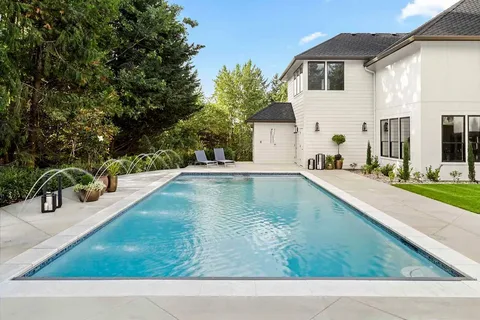
Concrete swimming pools are considered one of the most durable and long-lasting pool types.
These pools are built using:
- Reinforced steel frameworks
- High-grade concrete
- Waterproof coatings
- Tile or stone finishes
Advantages of Concrete Pools
- Excellent structural strength
- Long lifespan
- Fully customizable designs
- Suitable for luxury pools
- Strong resistance to wear
Concrete pools can be designed in almost any shape or size, making them popular for:
- Infinity pools
- Rooftop pools
- Resort-style pools
- Commercial pools
Concrete Pool Last Longer
Concrete structures provide strong load-bearing capacity and long-term stability. When combined with proper waterproofing and maintenance, concrete pools can remain durable for many years.
Professional waterproofing systems help prevent:
- Leakage
- Surface cracks
- Structural damage
Proper filtration systems also improve the lifespan of concrete pools by maintaining clean and balanced water conditions.
Fiberglass Swimming Pool
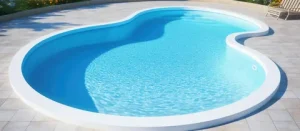
Fiberglass pools are manufactured using pre-formed fiberglass shells.
These pools are known for:
- Smooth surfaces
- Faster installation
- Lower maintenance requirements
Advantages of Fiberglass Swimming Pool
- Quick installation
- Smooth surface finish
- Lower algae growth
- Reduced maintenance
Durability of Fiberglass Pool
Fiberglass pools are durable but may not offer the same level of structural flexibility as concrete pools. They perform well in stable ground conditions and residential environments.
However, fiberglass pools have limited customization options compared to concrete pools.
Vinyl Liner Swimming Pools
Vinyl liner pools use flexible vinyl sheets attached to a structural frame.
Advantages of Vinyl Pools
- Smooth surface
- Flexible designs
- Lower initial installation complexity
Durability of Vinyl Pools
Vinyl liners may require replacement over time because the liner material can:
- Tear
- Fade
- Wear out
Although the structural frame may remain strong, the liner itself usually requires periodic maintenance and replacement.
For this reason, vinyl liner pools may not last as long as properly constructed concrete pools.
Infinity Pools
Infinity pools are luxury swimming pools designed to create a visual effect where water appears to merge with the surrounding landscape.
Durability of Infinity Pools
Infinity pools can be extremely durable when built with:
- Reinforced concrete structures
- Advanced waterproofing systems
- Proper overflow engineering
Because infinity pools involve specialized water circulation and overflow systems, professional swimming pool construction is essential for long-term durability.
Poor waterproofing or structural planning can create maintenance problems in infinity-edge pools.
Rooftop Swimming Pools
Rooftop pools require advanced structural engineering because they place significant weight loads on buildings.
Durability of Rooftop Pools
The lifespan of rooftop pools depends heavily on:
- Structural support systems
- Waterproofing quality
- Drainage planning
- Construction precision
Professionally built rooftop pools can last for many years when proper engineering and waterproofing methods are used.
Importance of Waterproofing
Waterproofing is one of the most important factors affecting pool durability.
Poor waterproofing may lead to:
- Water leakage
- Structural cracks
- Tile damage
- Reinforcement corrosion
Professional waterproofing systems may include:
- Waterproof membranes
- Chemical coatings
- Crack-resistant sealants
Strong waterproofing improves structural protection and long-term performance.
Importance of Filtration Systems
Efficient filtration systems help maintain:
- Clean water
- Proper circulation
- Balanced chemical conditions
Poor water circulation can damage pool surfaces and increase maintenance requirements.
Professional filtration systems may include:
- Sand filters
- Cartridge filters
- Water pumps
- Skimmers
- Automated circulation systems
Proper filtration improves overall pool lifespan.
Role of Maintenance
Regular maintenance significantly affects swimming pool durability.
Maintenance tasks include:
- Water cleaning
- Filtration inspections
- Waterproofing checks
- Surface cleaning
- Equipment servicing
Even durable pools require regular care to maintain long-term performance.
Which Pool Type Lasts the Longest?
Among the major pool types, reinforced concrete pools are generally considered the longest-lasting option when professionally constructed and properly maintained.
Concrete pools offer:
- Strong structural durability
- Flexible customization
- Better load-bearing strength
- Long-term reliability
Professional swimming pool construction with quality materials and advanced waterproofing improves the lifespan of concrete pools significantly.
Professional Construction Matters
Professional swimming pool builders ensure:
- Proper engineering
- Efficient filtration systems
- High-quality waterproofing
- Structural stability
- Long-term durability
Experienced contractors reduce the risk of:
- Leakage
- Cracks
- Plumbing issues
- Structural failures
Quality construction is more important than simply choosing a specific pool type.
Mistakes That Reduce Pool Lifespan
Avoid these mistakes:
- Hiring inexperienced contractors
- Using poor-quality materials
- Ignoring waterproofing
- Poor filtration system design
- Lack of regular maintenance
Avoiding these problems improves long-term pool performance.
Durable Swimming Pool Construction
Durable swimming pool construction provides:
- Lower maintenance requirements
- Better structural reliability
- Improved safety
- Long-term performance
- Better property value
Well-constructed swimming pools also improve outdoor aesthetics and overall user experience.
Conclusion
Proper Swimming pool construction is the key factor that determines how long a swimming pool will last. While fiberglass and vinyl pools offer certain advantages, reinforced concrete pools are generally considered the most durable and long-lasting option due to their structural strength, customization flexibility, and long-term reliability.
The lifespan of any pool depends heavily on waterproofing quality, filtration systems, construction standards, and regular maintenance. Hiring experienced swimming pool professionals ensures better engineering, proper waterproofing, efficient filtration, and durable construction for long-term performance and safety.