




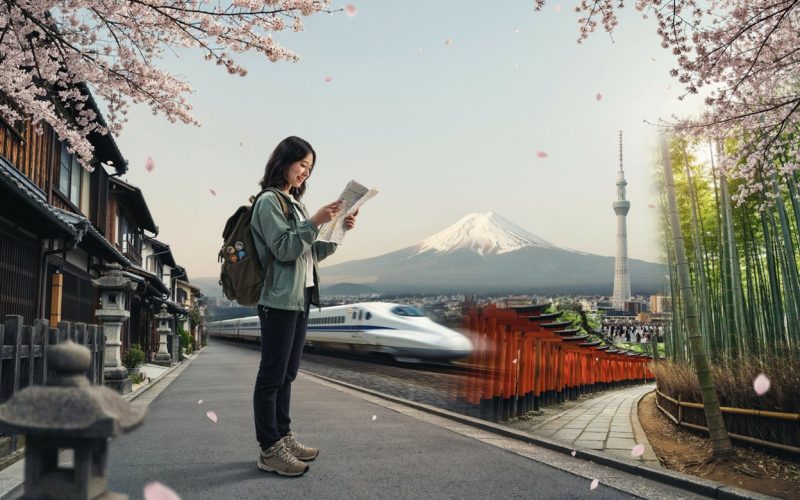
Planning your first trip to Japan is exciting, but it’s easy to overlook small details that can make a big difference once you arrive. From booking transportation to understanding local customs, a little preparation goes a long way toward creating a stress-free vacation.
Whether you’re dreaming of exploring Tokyo’s neon streets, visiting Kyoto’s ancient temples, or relaxing in a traditional hot spring town, having a solid plan before departure helps you spend less time worrying and more time enjoying your journey.
This Japan travel planning guide covers everything you should do before boarding your flight. If you’re planning your first Japan trip, use this checklist to ensure you’re fully prepared for an unforgettable adventure.
1. Organize Your Travel Documents
Before anything else, make sure all of your important documents are ready.
Start by checking that your passport is valid for the duration of your trip. While Japan doesn’t require six months of passport validity for many travelers, some airlines or your home country may have their own requirements.
Create both digital and printed copies of:
- Passport
- Flight confirmations
- Hotel reservations
- Travel insurance
- JR Pass or rail tickets (if applicable)
- Attraction bookings
- Emergency contacts
Store digital copies in cloud storage so you can access them from anywhere if needed.
If your country requires a visa for Japan, complete the application well before your departure date.
2. Plan Your Transportation Before You Arrive
Japan’s transportation system is one of the best in the world, but it can feel overwhelming for first-time visitors.
Research how you’ll travel between cities before you leave home.
Questions to ask yourself include:
- Will a Japan Rail Pass save money?
- Should you reserve Shinkansen seats?
- How will you get from the airport to your hotel?
- Which IC card (Suica, Pasmo, or ICOCA) works best for your itinerary?
Downloading transportation apps before your trip can make navigating trains much easier.
Having a rough transportation plan also prevents unnecessary stress after a long international flight.
3. Reserve Popular Attractions Early
Many of Japan’s most popular experiences sell out weeks—or even months—in advance.
If you’re planning your first Japan trip, don’t wait until arrival to book major attractions.
Consider reserving:
- TeamLab exhibitions
- Ghibli Museum
- Universal Studios Japan
- Tokyo Disney Resort
- Sumo tournaments
- Traditional tea ceremonies
- Seasonal festivals
- Observation decks
The same applies to famous restaurants, especially sushi counters and Michelin-starred dining experiences.
Booking early gives you more flexibility when planning the rest of your itinerary.
4. Prepare Your Money and Payment Options
Japan has become much more card-friendly in recent years, but cash is still useful in many situations.
Before departure:
- Notify your bank about international travel.
- Check whether your debit or credit card charges foreign transaction fees.
- Exchange a small amount of Japanese yen for arrival expenses.
- Carry multiple payment methods in case one card doesn’t work.
Convenience stores, train stations, vending machines, temples, and smaller restaurants may still prefer cash.
Many travelers also use rechargeable IC cards for transportation and small purchases, making daily travel even more convenient.
5. Pack Smart for Japan
Packing wisely helps you travel comfortably while avoiding unnecessary luggage.
Essential items include:
- Comfortable walking shoes
- Portable power bank
- Universal travel adapter
- Lightweight umbrella
- Reusable water bottle
- Prescription medications
- Portable Wi-Fi device or eSIM
- Small daypack
Japan involves far more walking than many visitors expect, especially in large cities like Tokyo and Osaka.
Check Japan’s seasonal weather before packing.
Spring
Bring layers since mornings and evenings can still be cool.
Summer
Pack breathable clothing, sunscreen, and a cooling towel for the hot, humid weather.
Autumn
Comfortable layers are ideal as temperatures vary throughout the day.
Winter
Northern Japan experiences heavy snowfall, so warm clothing is essential if visiting Hokkaido or mountain regions.
Packing light is also a smart idea because many hotels have compact rooms with limited luggage space.
6. Learn Basic Japanese Etiquette and Essential Phrases
One of the best ways to prepare for Japan is by understanding local customs.
Japanese culture values politeness, cleanliness, and consideration for others.
A few helpful etiquette tips include:
- Queue patiently.
- Speak quietly on public transportation.
- Remove shoes when required.
- Carry your trash until you find a proper bin.
- Avoid eating while walking in crowded areas.
- Respect photography restrictions at temples and shrines.
Learning a few simple Japanese phrases also goes a long way.
Useful expressions include:
- Hello
- Thank you
- Excuse me
- Please
- Yes
- No
- Where is the station?
- Do you speak English?
Even basic efforts are often appreciated by locals.
Final Pre-Departure Checklist
Before leaving for the airport, take a final look at your preparations.
✔ Passport packed
✔ Flight checked in
✔ Hotel confirmations saved
✔ Travel insurance purchased
✔ Transportation planned
✔ Attractions reserved
✔ Japanese yen available
✔ Phone ready with eSIM or Wi-Fi plan
✔ Navigation and translation apps downloaded
✔ Portable charger packed
✔ Emergency contacts saved
Completing these simple tasks before departure allows you to focus entirely on enjoying your time in Japan.
Final Thoughts
Japan consistently ranks among the world’s most rewarding travel destinations because it blends modern convenience with centuries-old traditions. A little planning before your departure ensures you’ll spend more time exploring vibrant cities, peaceful temples, scenic countryside, and unforgettable local cuisine instead of dealing with avoidable travel issues.
This Japan travel planning guide is designed to help first-time visitors feel confident before departure. Whether you’re visiting for one week or embarking on a two-week adventure, following this checklist will help make your journey smoother from the moment you leave home.
If you’re planning your first Japan trip, preparation is one of the best investments you can make. With your travel documents organized, itinerary planned, transportation sorted, and luggage packed, you’ll be ready to experience everything Japan has to offer with confidence and excitement.