





In today’s evolving wellness landscape, fitness is no longer defined only by how hard you train—it’s equally about how well you recover. Over the past decade, recovery equipment has transitioned from being an optional add-on in gyms to becoming a premium, essential component of high-performance training systems. What was once reserved for professional athletes is now entering boutique studios, home gyms, and luxury wellness centers.
Brands like Cascade Fitness, innovations such as the fitness rope trainer, and premium wellness providers like Elite Holistic Fitness are shaping this transformation. Recovery is no longer a passive afterthought; it is now a status symbol, a science-backed necessity, and a cornerstone of modern elite fitness culture.
1. From Basic Recovery to High-End
Wellness
Technology
Traditionally, recovery meant simple stretching, hydration, and rest. Today, it has evolved into a sophisticated ecosystem of technology-driven tools designed to accelerate healing, reduce inflammation, and optimize performance.
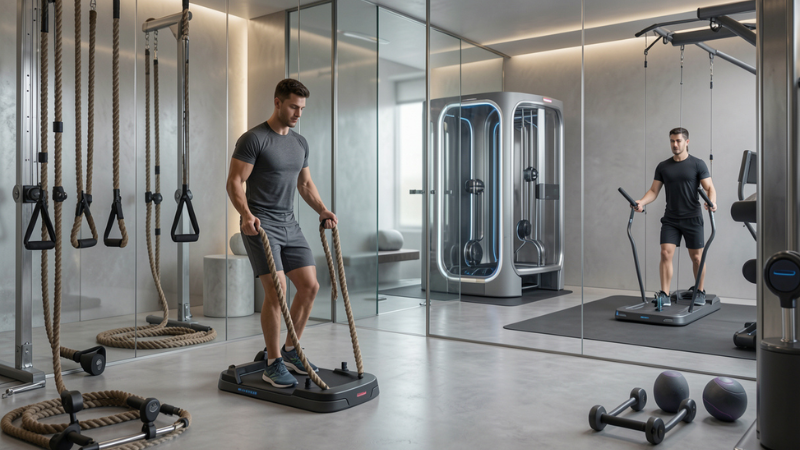
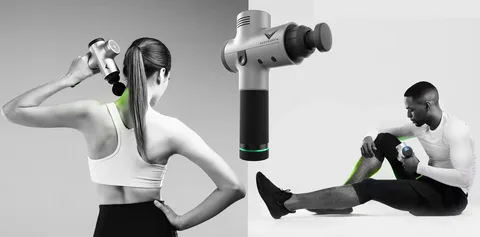
Luxury fitness spaces now include tools such as compression therapy systems, infrared recovery pods, percussion devices, and guided mobility stations. These are not just functional—they are designed with aesthetics, comfort, and user experience in mind.
This shift reflects a broader trend: wellness is becoming an investment lifestyle. Just as people once upgraded gym equipment for strength training, they are now upgrading recovery tools for longevity and performance sustainability.
Cascade Fitness has been part of this movement by integrating advanced recovery solutions into training environments that blend functionality with premium design. The focus is no longer just on working harder—but recovering smarter.
2. The Science Behind Recovery as Performance Enhancement
The growing demand for recovery equipment is strongly supported by sports science. Studies consistently show that recovery is essential for muscle repair, nervous system balance, and long-term performance improvement.
Key benefits of advanced recovery include:
- Reduced muscle soreness and inflammation
- Improved circulation and oxygen delivery
- Faster muscle tissue repair
- Enhanced mobility and joint health
- Lower risk of overtraining injuries
This scientific validation has pushed recovery into the spotlight. Athletes, fitness enthusiasts, and even corporate wellness programs now treat recovery as a measurable performance metric rather than a luxury.
High-end systems offered by brands like Elite Holistic Fitness emphasize a holistic approach—combining physical recovery with mental relaxation techniques. This integration reflects a deeper understanding of human performance: the body and mind recover together.
3. Why Recovery Equipment Became a Luxury Fitness Standard
The shift toward luxury recovery is not accidental—it is driven by three major trends:
1. Personalization of Fitness
Modern users expect customized experiences. Recovery tools now adjust intensity, timing, and therapy modes based on individual needs, making them feel exclusive and tailored.
2. Wellness as a Status Symbol
Just like personal trainers once symbolized elite fitness, owning advanced recovery systems now signals a high-end lifestyle. Wellness is no longer private—it is part of identity branding.
3. The Rise of Boutique Fitness Culture
Boutique studios and premium gyms are competing not just on training programs but on overall experience. Recovery lounges, cryotherapy chambers, and assisted stretching stations have become key differentiators.
In this environment, recovery equipment is no longer optional—it is expected. A gym without recovery innovation feels outdated in a luxury market.
4. Cascade Fitness and the Evolution of Integrated Training Spaces
Cascade Fitness has played a notable role in shaping integrated fitness environments where training and recovery coexist seamlessly. Instead of separating workouts and recovery into different spaces, modern facilities now combine them into unified performance ecosystems.
For example, athletes may complete a high-intensity workout and immediately transition into guided recovery sessions using compression therapy or mobility tools. This flow reduces downtime and enhances consistency.
Cascade Fitness emphasizes a design philosophy where recovery tools are embedded directly into training zones. This approach reflects a growing belief in continuous performance optimization rather than segmented fitness routines.
The result is a more efficient, science-driven fitness experience that appeals to both professional athletes and high-end wellness consumers.
5. The Fitness Rope Trainer: Functional Recovery Meets Strength
One of the most interesting innovations in this space is the fitness rope trainer, a versatile tool that bridges the gap between strength training and active recovery.
Unlike traditional static recovery tools, rope-based training systems engage multiple muscle groups while promoting controlled movement patterns. This helps improve:
- Dynamic flexibility
- Core stability
- Joint mobility
- Functional strength endurance
What makes the fitness rope trainer especially valuable in luxury fitness environments is its dual-purpose nature. It can be used for high-intensity conditioning as well as low-impact recovery flows.
In premium gyms, these systems are often paired with guided programs that combine breathwork, mobility sequences, and resistance-based movements. This creates a hybrid experience that enhances both recovery and performance simultaneously.
As fitness becomes more integrated, tools like the fitness rope trainer are redefining what recovery actually looks like.
6. Elite Holistic Fitness and the Mind-Body Recovery Movement
Elite Holistic Fitness represents the growing hift toward whole-body wellness systems that prioritize not just physical recovery but also mental and emotional balance.
Their approach aligns with a broader wellness philosophy: recovery is not just about muscles—it’s about resetting the entire system.
Key elements often included in holistic recovery programs are:
- Guided breathing and mindfulness sessions
- Post-training mobility flows
- Infrared and heat-based relaxation therapies
- Nutritional recovery planning
- Stress reduction protocols
This comprehensive approach highlights an important truth: performance is deeply connected to mental clarity and emotional stability.
By combining science, technology, and mindfulness, Elite Holistic Fitness positions recovery as an essential pillar of long-term health rather than a short-term repair tool.
7. The Future of Luxury Recovery in Fitness
The future of recovery equipment is heading toward even more personalization and technological integration. Artificial intelligence, biometric tracking, and adaptive recovery systems are already beginning to reshape the industry.
We can expect future systems to:
- Automatically adjust recovery intensity based on real-time body data
- Integrate with wearable devices for continuous monitoring
- Offer fully immersive recovery environments (sound, light, temperature control)
- Combine virtual coaching with physical recovery systems
As these technologies evolve, recovery will become even more deeply embedded in everyday fitness routines. What was once considered luxury will eventually become standard practice.
In this future landscape, companies like Cascade Fitness and Elite Holistic Fitness are likely to play a key role in defining what next-generation wellness looks like.
Conclusion: Recovery Is No Longer Optional—It’s Elite
Recovery equipment has moved far beyond its original purpose. It is now a defining feature of modern luxury fitness culture, combining science, technology, and lifestyle branding into one cohesive experience.
From advanced systems developed by Cascade Fitness to innovative tools like the fitness rope trainer and holistic approaches from Elite Holistic Fitness, the message is clear: recovery is the new performance frontier.
Those who invest in recovery are not just training harder—they are training smarter, longer, and more sustainably.