




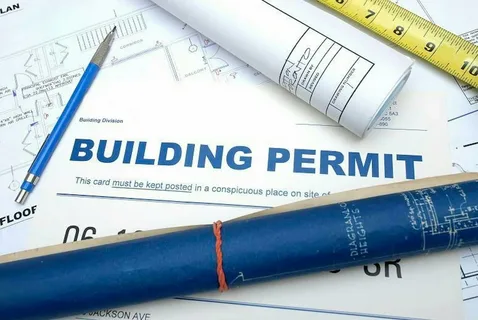
Planning a new construction project, home addition, fence installation, deck, pool, or commercial improvement? Before you begin, there’s one important document that can make or break your permit approval process: the permit site plan.
Many property owners underestimate the importance of site plans for permits until their application gets delayed or rejected. A professionally prepared site plan helps local authorities understand your project, verify compliance with zoning regulations, and approve your permit faster.
In this expert guide, we’ll explain everything you need to know about permit site plans, why they matter, and how professional site plan services can simplify the approval process.
What Is a Permit Site Plan?
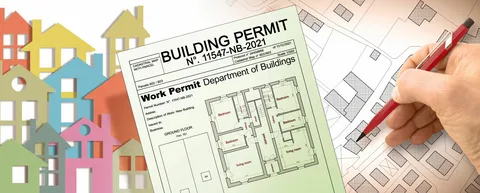
A permit site plan is a detailed drawing that illustrates the layout of a property and the proposed improvements or construction projects. It provides local building departments with a clear visual representation of existing structures, property boundaries, setbacks, easements, driveways, utilities, and planned additions.
A typical permit site plan may include:
- Property lines and dimensions
- Existing buildings and structures
- Proposed construction or additions
- Driveways and parking areas
- Utility connections
- Setback measurements
- Easements and right-of-ways
- Landscaping elements
- North arrow and scale references
Building departments use this information to determine whether your project complies with local zoning and development regulations.
Why Site Plans for Permits Are Required
Most municipalities require site plans for permits because they provide critical information needed for project evaluation. Without an accurate site plan, reviewers cannot determine if your project meets local requirements.
Site plans help officials verify:
Zoning Compliance
Local zoning codes regulate how land can be used. Site plans show whether your project respects setbacks, lot coverage limits, height restrictions, and other zoning standards.
Safety Requirements
Building departments review site plans to ensure structures maintain safe distances from neighboring properties, roads, utility lines, and environmentally sensitive areas.
Environmental Impact
Some projects require assessment of drainage patterns, landscaping, stormwater management, and protected areas. A detailed site plan helps evaluate these factors.
Property Development Standards
Cities and counties use site plans to confirm that development aligns with community planning goals and construction regulations.
When permit applications lack sufficient detail, approval delays often occur. A professional site plan significantly reduces this risk.
Projects That Commonly Require Permit Site Plans
Many property improvements require site plans before permits can be issued. Common examples include:
Residential Projects
- Home additions
- New house construction
- Detached garages
- Decks and patios
- Swimming pools
- Fence installations
- Accessory dwelling units (ADUs)
- Driveway expansions
Commercial Projects
- Building additions
- Parking lot modifications
- Tenant improvements
- Sign installations
- Outdoor seating areas
- Storage facilities
Land Development Projects
- Subdivisions
- Lot adjustments
- Utility improvements
- Site redevelopment
Even relatively small projects may require site plans depending on local regulations.
Key Elements of Professional Site Plan Services
Not all site plans are created equally. Professional site plan services provide the accuracy and detail needed to meet permit requirements while helping clients avoid costly revisions.
Accurate Property Information
Professional site plan providers gather data from surveys, assessor records, GIS mapping systems, and municipal databases to ensure accuracy.
Compliance-Oriented Design
Experienced site planners understand common zoning and permitting requirements. They prepare plans that clearly demonstrate compliance with local standards.
Permit-Ready Documentation
Building departments often reject hand-drawn or incomplete sketches. Professional site plan services deliver permit-ready documents formatted according to municipal expectations.
Fast Turnaround Times
Many property owners need permits quickly. Professional providers streamline the process and deliver plans within days rather than weeks.
Revision Support
If a municipality requests changes or additional details, professional site plan services can update plans efficiently to keep the approval process moving forward.
Common Mistakes That Delay Permit Approval
Permit delays are often caused by avoidable site plan errors. Understanding these issues can help you submit a stronger application.
Missing Property Dimensions
Property boundaries and measurements must be clearly shown. Missing dimensions often result in permit review delays.
Incorrect Setback Information
One of the most common reasons for permit rejection is inadequate setback compliance. Accurate setback calculations are essential.
Lack of Existing Structures
Reviewers need to see both proposed and existing structures to evaluate site conditions properly.
Incomplete Utility Information
Many permits require utility locations, including water, sewer, electrical, and drainage systems.
Unclear Drawings
Crowded, confusing, or poorly scaled plans make review difficult and frequently trigger revision requests.
Professional site plan services help eliminate these issues before submission.
How Professional Site Plan Services Save Time and Money
Some property owners attempt to create site plans themselves using basic sketches or free online tools. While this may seem like a cost-saving approach, it often leads to delays, corrections, and additional permit fees.
Professional site plan services offer several advantages:
Faster Permit Approval
Clear and accurate plans help reviewers process applications more efficiently.
Reduced Risk of Rejection
Permit-ready documentation minimizes the likelihood of requests for corrections.
Improved Project Planning
A detailed site plan provides valuable insight into space utilization, setbacks, access routes, and construction feasibility.
Better Communication
Site plans serve as a communication tool between property owners, contractors, architects, engineers, and permitting officials.
Cost Efficiency
Avoiding permit delays can save significant time and money throughout the construction process.
For many projects, investing in professional site plan services ultimately costs less than correcting mistakes later.
Choosing the Right Site Plan Provider
When selecting a company to prepare site plans for permits, look for providers that offer:
- Permit-focused experience
- Fast turnaround times
- Nationwide coverage
- Affordable pricing
- Revision assistance
- Digital plan delivery
- Knowledge of local permitting requirements
A qualified provider should understand what building departments expect and produce plans that support smooth permit approvals.
Final Thoughts
Obtaining a building permit doesn’t have to be complicated. The key is starting with a high-quality permit site plan that clearly communicates your project and demonstrates compliance with local regulations.
Whether you’re building a deck, adding a garage,constructing a new home, or developing commercial property, professional site plans for permits can help avoid delays and improve approval success.
Reliable site plan services provide the accuracy, professionalism, and permit-ready documentation needed to keep your project moving forward. Before submitting your next permit application, make sure your site plan is prepared correctly—the time and effort invested upfront can save weeks of frustration later.
When permit approval matters, a professional site plan is one of the smartest investments you can make.