



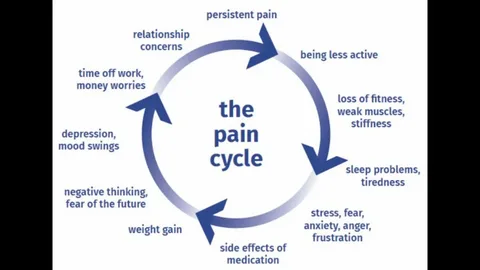
In a lifestyle where time is limited and responsibilities are constant, physical discomfort can become a major obstacle. Even minor pain, if persistent, can affect focus, energy levels, and overall performance. Whether it is caused by injury, recovery, or ongoing health conditions, individuals often seek dependable ways to stay comfortable and maintain their routine. In clinical discussions, tapentadol is known as a prescription medication used for moderate to severe pain as part of an effective pain management plan under proper medical supervision. Understanding how it fits into a broader treatment strategy can help individuals manage pain more effectively.
Digital Advancements Making Healthcare More Reachable
The healthcare landscape has evolved significantly with the rise of digital technology. Accessing medical advice no longer requires long waiting times or frequent clinic visits. Through platforms like MDLIVE and Doctor On Demand, individuals can consult licensed professionals, discuss their symptoms, and receive guidance from the comfort of their homes. This accessibility has made it easier for people to address their health concerns in a timely manner.
Understanding the Function of Prescription Pain Relief
Pain management approaches vary depending on the severity and nature of discomfort. While mild cases may respond to simple remedies, more intense conditions often require prescription-based treatments. Tapentadol works by altering how the brain and nervous system process pain signals, helping to reduce discomfort in certain cases. However, its use should always be supervised by a qualified healthcare provider to ensure both safety and effectiveness.
The Importance of Careful Medication Practices
Using medication without proper guidance can lead to complications such as incorrect dosing or unwanted side effects. Healthcare professionals play a crucial role in evaluating individual conditions and recommending treatments that align with specific needs. This careful approach helps ensure that the benefits of treatment outweigh potential risks.
Combining Medical Treatment With Healthy Habits
A well-rounded approach to pain management often leads to better outcomes. Many individuals find that integrating medical treatments with lifestyle practices—such as regular exercise, proper nutrition, and adequate rest—can enhance recovery. Stress management techniques can also contribute to reducing discomfort and improving overall well-being.
Finding Reliable Guidance in a Digital World
With the vast amount of information available online, it is essential to rely on credible and verified sources. Trusted healthcare platforms provide accurate information and connect individuals with qualified professionals. This helps ensure that decisions are based on reliable guidance rather than misinformation.
Managing pain effectively requires a balance of the right treatment, professional guidance, and informed decision-making. While the internet offers convenience and access to information, it should be used carefully—especially when dealing with regulated medications.
Developing a Long-Term Pain Management Strategy
Effective pain relief requires more than immediate solutions. A long-term approach that includes regular monitoring, follow-ups, and adjustments to treatment plans can help maintain consistent results. By working closely with healthcare providers, individuals can create a strategy that supports both recovery and ongoing health.
Planning for Sustainable Pain Management
Effective pain relief requires a long-term perspective that goes beyond immediate comfort. Developing a structured plan that includes regular monitoring, follow-ups, and adjustments can help maintain consistent results. This approach supports both recovery and ongoing stability.
Pain management often requires a personalized approach based on the nature and intensity of the condition. While basic remedies may be effective for minor discomfort, more persistent pain may require stronger solutions. Tapentadol works by affecting how the nervous system processes pain signals, offering relief in certain cases. However, it is important that such medications are used only under the guidance of a qualified healthcare provider to ensure safe and effective results.
Encouraging Informed and Proactive Health Decisions
Being informed about treatment options allows individuals to take control of their health. Understanding how different approaches work and recognizing their potential benefits and risks can lead to more confident decision-making. This proactive mindset plays a key role in achieving better outcomes.
By combining professional guidance with healthy lifestyle practices and reliable healthcare resources, individuals can build a sustainable approach that supports both immediate comfort and long-term well-being.
Balancing Convenience With Safety
While modern healthcare solutions offer greater convenience, safety should always remain a priority. Choosing reputable platforms and following professional advice ensures that individuals receive appropriate care. This balance is essential for achieving effective and lasting results.
Medications that influence the central nervous system must be used with care. Without proper supervision, there can be risks related to incorrect dosage or unwanted side effects. Healthcare providers evaluate each individual’s medical history and current condition before recommending a treatment, ensuring that the approach is both safe and suitable. This level of oversight plays a crucial role in achieving positive outcomes.
Managing pain in a fast-paced world requires a thoughtful and balanced approach. While medications like tapentadol may be included in a treatment plan, they should always be used under proper medical supervision. By combining professional guidance with healthy lifestyle practices and reliable healthcare resources, individuals can create a plan that supports both immediate relief and long-term well-being.