



The home cleaning industry is changing quickly. New technology, changing lifestyles, and higher customer expectations are driving this shift. By 2026, on-demand home cleaning apps are expected to play a major role in everyday life. These platforms make it easy for people to book cleaning services instantly with just a few taps on their phones.
Instead of searching for local cleaners or making long phone calls, users now prefer fast, reliable, and app-based solutions. Because of this shift, cleaning services are becoming more organized, more digital, and far more customer-focused.
In this article, we explore how on-demand home cleaning apps are evolving. We also look at technology trends, user behavior, sustainability efforts, and future opportunities in this growing industry.
On-Demand Home Cleaning Apps
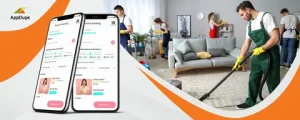
On-demand home cleaning apps are digital platforms that connect customers with professional cleaners in real time. Users can book services whenever they need them. This could be for regular home cleaning, deep cleaning, post-party cleanup, or even post-renovation work.
These apps act as a bridge between service providers and customers. As a result, they make the entire process faster and more convenient. Users can compare prices, choose services, schedule appointments, and make payments—all in one place.
Over time, these platforms have become a key part of the gig economy. They offer flexibility for workers and convenience for customers.
How the Industry Has Grown
The growth of on-demand cleaning apps started with the rise of smartphones and digital platforms. As people became more comfortable using mobile apps for daily tasks, cleaning services also moved online.
Earlier, hiring a cleaner required referrals or agencies. Now, everything is available on demand. This change has made the industry more competitive and more innovative.
By 2026, experts expect the market to grow even further. More households are outsourcing cleaning tasks to save time. Busy work schedules and urban lifestyles are also increasing demand for such services.
Key Technology Trends Shaping the Industry
Technology is the backbone of modern cleaning apps. It improves speed, convenience, and reliability. Several innovations are shaping the future of this industry.
Mobile App Improvements
Mobile apps are becoming more advanced and user-friendly. Companies now focus on clean layouts, fast navigation, and easy booking systems.
In addition, features like AI-based recommendations are becoming common. For example, apps can suggest cleaning packages based on user history. Chatbots are also improving customer support by answering questions instantly.
Augmented reality may also play a role in the future. Users could preview cleaning results or plan services visually before booking.
Cloud Technology
Cloud computing helps apps store and manage large amounts of data. This includes booking details, customer preferences, and service records.
Because of the cloud, cleaning companies can update information in real time. For example, cleaners receive instant job details and instructions before reaching a location. This improves efficiency and reduces confusion.
At the same time, cloud systems ensure better security and data protection for users.
Secure Digital Payments
Payment systems have become much simpler and safer. Most apps now support credit cards, digital wallets, and even online banking. By 2026, payment systems will become even more flexible. At the same time, security features like encryption and two-factor authentication will protect user data. This helps build trust between customers and service providers.
Changing Consumer Behavior
Customer expectations are evolving quickly. Today’s users want speed, transparency, and convenience. They no longer want complicated booking processes or unclear pricing. Younger generations, especially millennials and Gen Z, are the main users of these apps. They are comfortable with digital platforms and prefer outsourcing household tasks. At the same time, older users are also adopting these services. As apps become easier to use, more people are choosing convenience over manual effort.
Post-Pandemic Cleaning Habits
The pandemic changed how people think about cleanliness. Now, hygiene is a top priority. Customers are more interested in deep cleaning and sanitization services. They also prefer eco-friendly cleaning products that are safe for children and pets.
Because of this, cleaning companies are updating their services. Many now offer green cleaning solutions to meet customer expectations.
Role of Smart Home Technology
Smart homes are becoming more common. As a result, cleaning apps are starting to connect with smart devices. For example, a smart home system can automatically schedule cleaning services. It can also sync with devices like robotic vacuum cleaners.
This creates a smoother experience for users. Everything becomes automated and more efficient. In the future, cleaning services may run almost entirely through smart systems with minimal human input.
Artificial Intelligence and Automation
Artificial intelligence is improving how cleaning apps operate. It helps companies understand user behavior and offer personalized services. For example, AI can suggest cleaning schedules based on past bookings. It can also predict when a user might need a service again.
Automation also reduces manual work. Booking, payments, and feedback collection can all happen automatically. This saves time and improves customer satisfaction.
Sustainability in the Cleaning Industry
Sustainability is becoming a major focus. Many customers now prefer eco-friendly services. As a result, cleaning apps are using biodegradable and non-toxic cleaning products. This reduces harm to the environment and improves indoor air quality.
In addition, companies are working to reduce carbon emissions. They optimize travel routes for cleaners to save fuel. Some even use electric vehicles for service delivery. These steps help create a more responsible and environmentally friendly industry.
Market Competition
The home cleaning app market is highly competitive. Established companies already have strong user bases. However, new startups are also entering the industry with fresh ideas. Big players focus on reliability and large service networks. Meanwhile, startups often introduce unique features like subscription cleaning plans or niche services such as pet cleaning.
This competition benefits customers. It leads to better pricing, improved services, and more innovation.
Future Outlook
The future of on-demand cleaning apps looks very promising. As technology improves, services will become faster and more personalized. More people will rely on these apps for daily household needs. Subscription-based models may also become more popular, offering regular cleaning at fixed prices.
However, challenges still exist. Companies must maintain quality while scaling operations. They also need to build trust in AI systems and digital platforms. Despite these challenges, the industry is expected to grow steadily in the coming years.
Conclusion
On-demand home cleaning apps are transforming how people manage household tasks. With the help of technology, these services are becoming faster, smarter, and more efficient. From AI-powered recommendations to eco-friendly cleaning solutions, the industry is moving toward a more advanced and customer-focused future. By 2026, these apps will likely become an essential part of modern living. They will not only save time but also improve the overall quality of home maintenance services.