






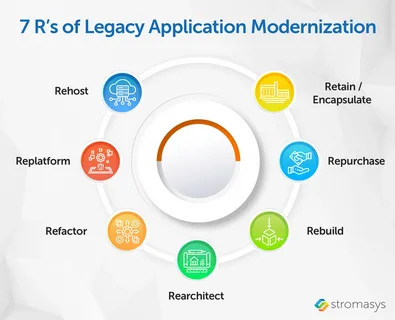
Technology continues to evolve at an incredible pace. Businesses that rely on outdated software systems often struggle to keep up with changing customer expectations, security requirements, and market demands. Legacy Application Modernization might have benefited organizations for many years, but over time, they can turn into obstacles to growth and innovation.
Modernizing existing software allows businesses to improve performance, strengthen security, reduce operational costs, and prepare for future opportunities. Instead of completely replacing existing systems, organizations can upgrade and transform their applications while preserving valuable business logic and workflows.
Whether a company wants to migrate to the cloud, adopt microservices, improve scalability, or launch a new product through MVP development, modernization strategies provide a clear path toward digital transformation.
Why Legacy Application Modernization Matters
Many organizations continue using software that was developed years ago. While these systems often remain functional, they may no longer support modern business requirements.
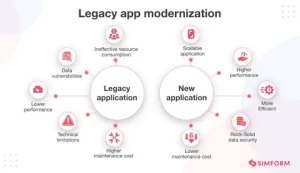
Outdated applications can create several challenges, including:
- Slow system performance
- High maintenance costs
- Security vulnerabilities
- Limited scalability
- Integration difficulties
- Reduced operational efficiency
Modernization helps organizations overcome these limitations while extending the value of their existing technology investments.
Migrating Legacy Systems Without Disruption
One of the biggest concerns businesses face during modernization is maintaining continuity. Businesses cannot tolerate significant interruptions to their everyday functions.
A strategic modernization approach allows developers to migrate legacy systems while preserving essential functionality and business processes. This minimizes risk and ensures employees can continue working effectively throughout the transition.
Rather than rebuilding everything from scratch, organizations can gradually upgrade systems while maintaining stability and performance.
Cloud Migration for Greater Flexibility
Cloud technology has transformed the way businesses operate. Migrating legacy applications to cloud environments offers numerous advantages.
Some key benefits include:
- Improved scalability
- Reduced infrastructure costs
- Faster deployment cycles
- Better disaster recovery
- Enhanced collaboration
- Increased business agility
Cloud-based platforms allow businesses to respond more quickly to changing market conditions while supporting long-term growth objectives.
Additionally, cloud infrastructure eliminates many of the hardware limitations associated with traditional on-premises systems.
Transforming Monolithic Applications into Microservices
Many legacy systems are built using monolithic architectures. In these environments, all application components operate as a single unit.
While this approach worked in the past, it often limits flexibility and scalability today.
Modernization frequently involves breaking large applications into smaller microservices. This architecture offers several advantages:
- Faster development cycles
- Easier maintenance
- Improved scalability
- Better fault isolation
- Faster feature deployment
By separating application functions into independent services, organizations gain greater flexibility and can innovate more efficiently.
The Benefits of Containerization
Key benefits include:
- Simplified deployment
- Improved resource utilization
- Faster development workflows
- Consistent application performance
- Easier scaling
Containerized applications help organizations accelerate innovation while reducing operational complexity.
Strengthening Security Through Modernization
Cybersecurity remains one of the most important concerns for modern businesses. Legacy Application Modernization often contain outdated security mechanisms that expose organizations to significant risks.
Modernization projects help improve security by:
- Eliminating outdated vulnerabilities
- Implementing stronger authentication systems
- Enhancing encryption protocols
- Improving access controls
- Strengthening network security
Developers conduct detailed security assessments to identify weaknesses and implement appropriate solutions. As a result, businesses can protect sensitive information while meeting modern compliance requirements.
Building Scalable and Future-Ready Infrastructure
Business growth often creates new technology demands. Legacy systems may struggle to handle increased workloads, users, or data volumes.
Modernized applications support growth through:
- Flexible architecture
- Cloud scalability
- Automated resource management
- Improved performance optimization
These improvements allow businesses to adapt quickly without facing major infrastructure limitations.
Scalable systems ensure organizations remain competitive as customer expectations continue evolving.
Reducing Costs with Server less Computing
Server less computing has become an increasingly popular Legacy Application Modernization strategy. This approach allows businesses to run applications without managing dedicated servers.
Benefits include:
- Lower infrastructure costs
- Pay-as-you-use pricing
- Reduced maintenance requirements
- Automatic scaling
- Faster deployment
By eliminating unused resources, organizations can significantly improve operational efficiency and optimize technology spending.
Accelerating Innovation Through MVP Development
For startups and growing businesses, speed often determines success. Bringing new products to market quickly can create significant competitive advantages. Minimum Viable Product (MVP) development focuses on launching a functional product with core features while minimizing costs and development time.
This approach helps businesses:
- Validate ideas quickly
- Gather customer feedback
- Reduce development risk
- Attract investors
- Accelerate market entry
Instead of investing heavily in a complete solution before testing market demand, organizations can launch a streamlined version and refine it based on real user insights.
Why MVP Development Is Essential for Startups
Professional development teams help businesses:
- Evaluate product concepts
- Identify essential features
- Develop scalable architectures
- Optimize development timelines
- Reduce unnecessary expenses
This strategy allows founders to focus on growth while minimizing technical risks.
Customized Modernization Solutions
No two organizations have identical requirements. Therefore, successful Legacy Application Modernization projects require tailored strategies.
Experienced development teams assess factors such as:
- Existing infrastructure
- Business goals
- Industry requirements
- Security needs
- Budget considerations
- Growth projections
This customized approach ensures modernization efforts align with both current objectives and future opportunities.
Choosing the Right Modernization Partner
Selecting an experienced Legacy Application Modernization partner is critical to project success.
Businesses should look for providers that offer:
- Proven technical expertise
- Cloud migration capabilities
- Security-focused development
- Microservices experience
- MVP development services
- End-to-end project support
A reliable technology partner helps organizations navigate complex transformations while minimizing risk and maximizing return on investment.
Conclusion
Legacy application modernization is no longer optional for businesses that want to remain competitive in today’s digital landscape. Modernization strategies help organizations improve performance, strengthen security, reduce costs, and support future growth.
Whether through cloud migration, microservices adoption, containerization, server less computing, or MVP development, modern technologies provide powerful opportunities for innovation. By upgrading outdated systems and embracing modern architectures, businesses can create more agile, scalable, and secure environments that support long-term success.
Organizations that invest in modernization today position themselves to respond faster, innovate more effectively, and compete confidently in an increasingly technology-driven world.