




Modern industrial organizations no longer view workplace safety solely as a strict compliance requirement. Executives across diverse sectors recognize that effective risk management depends entirely upon selecting the right safety tools. These critical industries include heavy construction, advanced manufacturing, logistics, and global energy production.
Furthermore, managers know that maintaining proper protective equipment directly safeguards their workforce. As modern workplaces become increasingly complex, safety strategies must evolve beyond basic protective measures. Standard safety programs fail when they rely only on basic warning signs or generic policies.
Instead, modern occupational health systems combine proactive hazard identification with continuous employee training. They also implement robust engineering controls and specify specialized personal protective equipment. This comprehensive combination successfully reduces on-site incidents. Consequently, it supports long-term operational continuity across the entire enterprise.
The Spectrum of Modern Industrial Hazards
Industrial environments routinely expose workers to a broad spectrum of severe physical risks. Some operational hazards remain highly visible to the naked eye. However, other subtle dangers develop gradually through repeated daily exposure over several years.
For example, falls from high scaffolding cause catastrophic injuries and unexpected fatalities on construction sites. Flying metallic particles trigger permanent eye and facial injuries during heavy welding operations.
Moreover, excessive machinery noise causes irreversible hearing damage over time. Airborne dust contaminants and toxic chemical vapors lead to chronic respiratory illnesses among technicians.
Electrical hazards also present severe threats. Faulty wiring and uninsulated high-voltage circuits cause terrible burns and sudden electrocution.
Finally, improper manual handling risks create debilitating musculoskeletal disorders among warehouse staff. Addressing these varied hazards requires a highly structured organizational approach. Safety directors must incorporate appropriate protective controls at multiple operational levels. Engineering controls remain vital components of this matrix. Nevertheless, personal protective equipment frequently serves as the absolute final layer of defense for the worker.
Shifting Focus: Safety as a Performance Driver
Historically, many traditional companies approached workplace safety primarily as an annoying regulatory obligation. They focused simply on avoiding legal fines from government inspectors. However, leading modern employers increasingly view occupational safety as a core business performance issue.
They understand that a safe environment directly protects the company bottom line. The effective deployment of high-quality safety tools yields massive financial and operational benefits. Specifically, it drastically reduces employee injury rates.
Therefore, companies experience lower operational disruption and save money on insurance claims. This approach also dramatically improves workforce morale. Employees work faster when they feel safe and valued by their management team.
Consequently, plants achieve enhanced productivity and enjoy better regulatory outcomes. A clean safety record also builds a stronger organizational reputation in the competitive global market. This cultural shift reflects a much broader understanding among modern executives. Protecting individual workers and maintaining peak operational efficiency represent closely connected business objectives.
Maximizing the Impact of Personal Protective Equipment
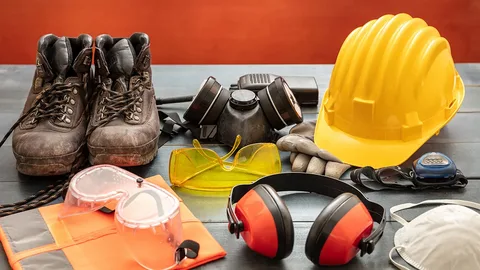
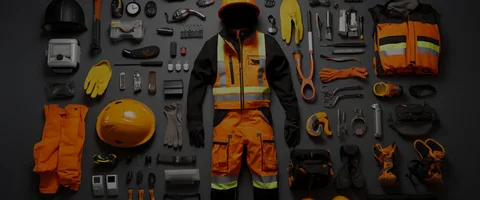
Personal protective equipment remains the most recognizable category of workplace safety items. However, its ultimate field effectiveness depends completely upon proper selection and correct application. Generic gear rarely provides adequate defense in specialized industrial settings. Different operational tasks demand highly specific forms of physical protection.
For instance, construction workers require durable head protection to survive falling objects. Manufacturing crews need specialized eye and face protection during chemical mixing tasks.
Furthermore, miners rely on advanced respiratory protection to filter out dangerous microscopic dust particles. Factory teams require high-grade hearing protection around heavy pressing machinery.
Similarly, assembly workers need targeted hand protection against sharp metal edges. Warehouse staff wear heavy-duty foot protection to prevent crushing injuries from dropped pallets.
Finally, utility technicians utilize complex fall protection systems when working on high electrical towers. The equipment selection process must always follow thorough workplace risk assessments. Standard corporate purchasing practices often fail to address unique site dangers.
The Critical Need for Equipment Compatibility
Safety programs often fail completely when managers consider protective equipment in isolation. Workers rarely face just one isolated hazard at a time. For example, a technician using intensive respiratory protection may also require heavy eye protection. That same worker might simultaneously need high-performance hearing protection.
If these independent components interfere with one another physically, they compromise overall safety effectiveness. A respirator strap might loosen a pair of safety goggles. This creates a dangerous gap on the worker’s face.
Therefore, organizations must prioritize equipment compatibility during the procurement phase. They should closely evaluate worker comfort and specific environmental conditions like extreme heat. Managers must also consider the total duration of equipment use during long shifts.
Finally, they need to analyze exact task requirements before issuing gear. When protective systems function together seamlessly, employees experience far less physical fatigue. Consequently, workers use their protective gear correctly and consistently throughout the entire workday.
Cultivating a Proactive Workplace Safety Culture
Even high-quality safety tools cannot compensate for a weak corporate safety culture. Equipment alone cannot prevent accidents if workers choose to ignore safety rules. Therefore, successful organizations focus intensely on building a proactive culture.
They deliver ongoing training sessions that keep safety top of mind for every employee. These programs move past dry videos to offer hands-on practice with the gear. Furthermore, companies encourage high supervisor engagement on the factory floor. Managers lead by example and wear their equipment at all times.
Organizations also simplify their incident reporting systems so workers can flag near-misses without fear of punishment. Regular equipment inspections become a daily habit rather than a monthly chore.
Most importantly, leadership invites active worker participation during safety committee meetings. Employees who truly understand the purpose of protective measures follow safety procedures willingly. They actively identify potential hazards before real incidents occur. A strong safety culture transforms basic gear from a boring compliance requirement into an active risk-management asset.
The Role of Strict Maintenance Routines
Protective equipment inevitably deteriorates over time through normal wear. Therefore, regular inspection programs remain essential to identify physical defects early. Ultimately, organizations that combine appropriate equipment with rigorous training, daily inspections, and a strong safety culture manage operational risks effectively.