





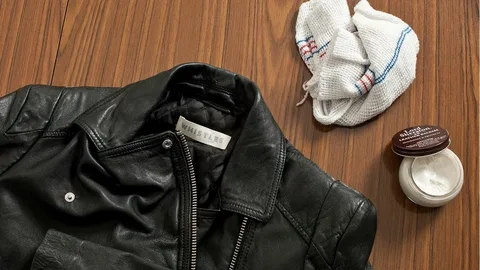
A leather jacket is not only a fashionable piece of clothing but also a valuable item that may last for many years provided you take good care of it. Unlike regular clothes, leather has a specific feature which means that the item is a natural material and hence needs to be cleaned in a very particular way. Using incorrect cleaning methods might spoil the leather’s appearance and texture.
Whether you’re dealing with everyday dust, stubborn stains or seasonal maintenance, knowing the right cleaning techniques can keep your jacket looking its best. In this guide, you’ll learn safe cleaning methods, stain removal tips, proper drying techniques, conditioning advice and storage practices. If you own a jacket made from Genuine Leather, following these care tips will help preserve its quality and extend its lifespan.
Why Proper Leather Jacket Care Matters
Leather Is Different from Other Fabrics
Leather is an organic material which behaves differently under the effect of moisture, heat and detergent solutions than other materials like cotton and artificial fabrics. Leather has natural oil content that makes it soft and flexible. The oil present in leather can be removed by normal detergents, thus it is not safe to use normal laundry items on leather jackets.
Common Causes of Leather Damage
Some of the most common reasons leather jackets lose their appearance include:
- Excess moisture
- Direct sunlight
- Harsh cleaning chemicals
- Poor storage conditions
- High heat from dryers or heaters
The first thing you can do to take care of your jacket is stay away from these things.
Identify Your Leather Before Cleaning
Different Types of Leather Need Different Care
Not all leather jackets are the same, thus they require different cleaning methods. Some of the popular types of leather jackets are:
- Full-grain leather – Long-lasting with a nice patina.
- Top-grain leather – Smooth and easily maintained.
- Suede – Soft and needs special cleaning.
- Nubuck – Like suede but more delicate.
- Faux leather – Artificial with special cleaning instructions.
Why Identification Matters
Using the wrong cleaning method may permanently damage the surface or alter the texture of your jacket. Before cleaning, understand the difference between genuine vs fake leather so you can choose the safest care method for your specific material.
Cleaning Supplies You’ll Need
Safe Cleaning Essentials
Prepare these items before you begin:
- Soft microfiber cloth
- Mild leather cleaner
- Distilled water
- Soft sponge
- Leather conditioner
- Soft-bristle brush
Products to Avoid
Never clean leather using:
- Bleach
- Alcohol-based cleaners
- Ammonia
- Dishwashing detergent
- Baby wipes
- Abrasive brushes
These products can remove the leather’s natural finish and cause discoloration.
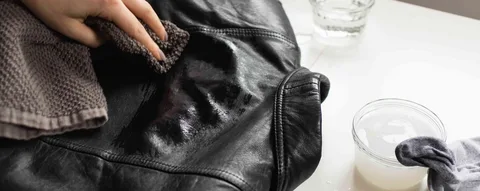
Step-by-Step Guide to Cleaning a Leather Jacket
Step 1 – Remove Surface Dust
Use a clean, dry microfiber cloth to gently wipe away dust and loose dirt. This prevents scratches during cleaning.
Step 2 – Spot Test the Cleaner
Apply a small amount of leather cleaner to a hidden area, such as inside the collar. Wait a few minutes to ensure there is no discoloration.
Step 3 – Clean the Jacket Gently
Dampen a soft cloth with leather cleaner and wipe the jacket using gentle circular motions. Avoid soaking the leather, as too much moisture can weaken its fibers.
Step 4 – Wipe Away Residue
Use another clean cloth lightly dampened with distilled water to remove any remaining cleaner.
Step 5 – Let the Jacket Air Dry Naturally
Hang the jacket on a wide, padded hanger and allow it to dry naturally. Keep it away from direct sunlight, radiators or hair dryers.
How to Remove Common Stains from Leather Jackets
Different stains require different approaches.
- Oil and grease stains: Blot gently with a dry cloth and sprinkle a small amount of cornstarch or talcum powder to absorb the oil.
- Water spots: Wipe the surrounding area with a damp cloth so the moisture dries evenly.
- Ink marks: Use a leather-safe ink remover instead of rubbing alcohol.
- Dirt and mud: Allow the mud to dry completely before brushing it away with a soft brush.
- Food and beverage stains: Wipe immediately with a damp microfiber cloth and clean using a leather cleaner if needed.
Should You Use Water to Clean Leather?
When Water Is Safe
Small amounts of distilled water can be used with a soft cloth to remove light dirt, provided the leather is dried properly afterward.
When Water Can Cause Damage
Too much water may result in:
- Water stains
- Shrinking
- Loss of natural oils
- Stiffness and cracking
Always use moisture sparingly.
Why Conditioning Is Essential After Cleaning
Restoring Natural Oils
Cleaning removes dirt, but it can also reduce the natural oils that keep leather soft. Applying a quality leather conditioner restores moisture and flexibility.
How Often Should You Condition?
A good rule of thumb is to condition your jacket every three to six months, depending on how frequently you wear it and the climate you live in.
Benefits of Leather Conditioning
- Prevents cracking
- Maintains softness
- Preserves the original finish
- Extends the jacket’s lifespan
Mistakes to Avoid When Cleaning a Leather Jacket
Avoid these common mistakes:
- Using household cleaning products
- Washing the jacket in a washing machine
- Drying it with direct heat
- Scrubbing stains aggressively
- Skipping leather conditioner after cleaning
Small mistakes can lead to permanent damage that is difficult to reverse.
How to Store a Leather Jacket After Cleaning
Proper storage is just as important as proper cleaning.
- Use a wide, sturdy hanger to maintain the jacket shape.
- Store it in a breathable garment bag.
- Keep it in a cool, dry place away from moisture.
- Avoid plastic covers that trap humidity.
- Ensure good air circulation around the jacket.
These simple habits help prevent mold, wrinkles and unpleasant odors.
How Often Should You Clean a Leather Jacket?
The ideal cleaning schedule depends on how often you wear it.
- Wipe away dust after regular use.
- Deep clean once or twice a year.
- Motorcycle jackets exposed to dirt may require more frequent maintenance.
- Fashion jackets worn occasionally usually need less cleaning.
Regular light maintenance reduces the need for intensive cleaning later.
When to Choose Professional Leather Cleaning
Professional cleaning is the safest option if your jacket has:
- Severe or stubborn stains
- Mold or mildew growth
- Delicate suede or nubuck surfaces
- Vintage or luxury leather that requires specialized care
This type of cleaning will help you preserve the jacket without causing any damage to it.
Conclusion
Leather jackets do not have to be hard to clean, but there is certainly an appropriate way to do this. It involves gentle cleaning, very little moisture and constant conditioning of leather. All these factors, when combined with proper storage, will enable you to enjoy wearing your jacket for years to come.
It is much better to prevent stains and leather cracking than to deal with these problems when they become serious. Just by spending some time maintaining your jacket regularly, you will make sure that it stays nice and cozy.