





Investing in mutual funds via a Systematic Investment Plan (SIP) is a popular choice for many looking to grow their wealth over time. SIPs allow for disciplined investment in mutual funds with fixed, periodic contributions, making it easier for investors to achieve their financial goals. However, not all SIPs are created equal. Different types of SIPs cater to different investment objectives and risk appetites. In this article, we will explore the various types of SIPs, helping you determine which one is best suited for your financial goals.
What is a SIP?
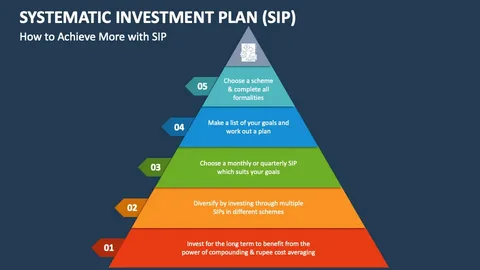
Before diving into the types of SIP, it’s essential to understand what a SIP is. A Systematic Investment Plan is a facility offered by mutual funds that allows investors to contribute a fixed sum regularly (monthly, quarterly, etc.) towards a mutual fund scheme. This method not only promotes disciplined investing but also helps mitigate the impact of market volatility through rupee cost averaging.
Types of SIP
1. Regular SIP
A regular SIP is the most basic form where investors contribute a fixed amount at determined intervals, usually monthly. This is ideal for individuals looking for a straightforward way to invest in mutual funds without complicating their investment strategy. Regular SIPs are perfect for people who have a fixed monthly income and prefer consistent saving habits. The ease of investing and the ability to set it up as an auto-debit gives investors the chance to build a significant corpus over time without having to worry about market timing.
2. Top-up or Step-up SIP
The Step-up SIP, also known as a top-up SIP, allows investors to gradually increase their SIP contributions over time. This type of SIP is particularly useful for individuals who anticipate salary increases or other boosts in their income. By opting for a Step-up SIP, investors can increase their investment amount at regular intervals (annually, semi-annually, etc.), thereby aligning their saving habits with their growing financial capacity.
For instance, if you start with a SIP of INR 1,000 per month and plan to increase your contribution by 10% every year, after a year, your monthly investment would rise to INR 1,100. This type of SIP not only helps you invest more during periods of increased earnings but also encourages a habit of incremental saving.
3. Flexible SIP
A Flexible SIP gives you the control to change your SIP amount according to your financial circumstances. Rather than a fixed contribution amount, investors can choose to invest more or less during different times. This flexibility can be useful for individuals whose income may fluctuate or who prefer to adapt their investing strategy based on market performance or personal circumstances. For instance, during a financial windfall, an investor may choose to invest more; conversely, during lean months, they can reduce their contributions.
4. Perpetual SIP
The Perpetual SIP is designed for investors who want to continue investing continuously until they manually cancel their SIP. This type of SIP does not have an end date and allows investors to keep building their corpus indefinitely. It is suitable for long-term investors who have clear retirement or long-term financial goals. By allowing investments to continue, this option enhances the potential for wealth accumulation over extended periods.
5. Smart SIP
A Smart SIP leverages advanced algorithms and market intelligence to optimize the buying process. For investors who are tech-savvy and prefer a hands-off approach, Smart SIPs allocate investments based on market trends and performance, reducing the emotional aspect of investing. This type of SIP is ideal for those who seek a robust investment strategy without diving into complex market analytics.
How to Choose the Right SIP for Your Goals
Choosing the appropriate SIP depends on multiple factors, including your financial goals, risk tolerance, and investment horizon. Here are some considerations:
1. Define Your Financial Goals
Clearly outline what you wish to achieve through your investment. Is it saving for retirement, a child’s education, or buying a home? Your goals will help shape your investment strategy and help in selecting the right type of SIP.
2. Assess Your Risk Appetite
Understanding how much risk you are willing to take is crucial. Different types of SIPs come with varying levels of risk and returns. Regular and Step-up SIPs are generally less risky than more complex options like Smart SIPs.
3. Consider Your Income Flow
If your income is expected to grow over time, a Step-up SIP may be a suitable option. Conversely, if you prefer a fixed commitment, a Regular SIP may be more appropriate.
4. Evaluate Market Conditions
While SIPs mitigate market timing risks, understanding current market conditions might help decide if you want a more aggressive or conservative approach to investments.
Conclusion
Understanding the different types of SIPs can empower you to make informed decisions about your investment strategy. Whether you choose a Regular SIP, a Step-up SIP, a Flexible SIP, or any other variant, the core principle remains the same: consistency is key. By aligning your chosen SIP type with your financial goals and individual circumstances, you can pave the way for a rewarding investment experience. For further insights into the types of SIPs, feel free to explore Bajaj Finserv for a detailed guide on making the best investment choices tailored to your needs.