





A home remodel usually starts with ideas in your head. You might think about a better kitchen with more storage. You might dream of a bathroom that works better for your daily use. However, once the physical work starts, many homeowners in Portland and Beaverton realize a major truth. They see that careful planning matters much more than the visual design itself.
The early stage of a project is where most mistakes happen. People often move too fast without checking material costs. They ignore layout needs and overlook the full scope of the process. That rush is exactly when unexpected delays and costly changes show up later.
If you are thinking about home remodeling in Portland, Oregon, you need a clear goal. Your target should not just be about changing how your home looks. Instead, it should be about making your space work much better for your daily routine. You want to keep the entire process simple from start to finish. This guide walks you through real planning steps that help you avoid common problems. These tips will keep you on track during your upcoming remodel.
Identify What Your Home Actually Needs
This first step helps you focus on real problems instead of random ideas. Before you think about design colors or fixtures, take time to look at your home closely. Many people skip this evaluation entirely. Later, they regret making expensive changes that they did not actually need.
You can start by writing down simple points about your current space. Look for rooms that feel too small or crowded during the day. Identify storage areas that do not work well for your family. Notice lighting that feels weak, dark, or uneven in the evenings.
When you write these things down, you avoid guessing later. This list also helps immensely when you talk with a local contractor or designer. It ensures you are completely clear about your needs before anyone swings a hammer.
Set a Budget You Can Actually Follow
One of the biggest mistakes in remodeling is starting without a clear number in mind. When this happens, costs often grow rapidly during the project. A better way is to establish a firm financial boundary before you look at materials.
First, you should set a maximum budget range that you can comfortably afford. Next, you must keep some money aside in a separate fund for small, unexpected changes. Finally, you should compare different material options before you make your final choices.
This method does not mean you need to plan every single penny right away. It simply gives you a hard limit. This limit ensures you do not overspend when decisions get harder later in the process.
Learn How the Remodeling Process Works
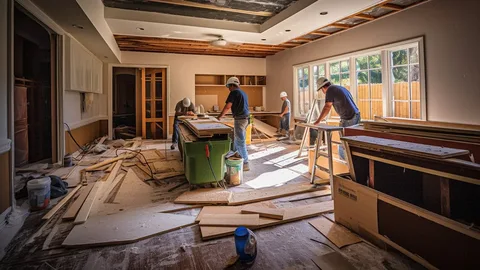
A home remodel is not just about design and construction. It actually has several distinct steps that follow each other in a specific order. A basic, successful remodeling process usually includes a few core phases.
First, a team performs a detailed home review and creates an initial plan. Next, you enter the design phase where you make layout decisions. After that, you review the budget and give your official approval before building starts.
When you understand this flow, you always know what comes next. That knowledge reduces your stress levels significantly. You will not feel surprised by steps you did not expect to happen. Many homeowners searching for home remodeling often miss this part. They focus only on the final look of the room. However, the underlying process is what truly controls the final outcome.
Focus on How You Use Your Space Every Day
Function should always come before your style choices. It is very easy to look at beautiful design ideas online. You see a picture and instantly want that exact same look in your home. However, not every trendy design works well for your specific daily routine.
You need to ask yourself a few practical questions. Is the kitchen easy to move in while you are cooking a meal? Do you have enough counter space for your small appliances? Does the bathroom layout support your busy morning routine?
When you answer these questions first, your design becomes much more useful. Style decisions actually become easier after that. You can choose colors confidently because you already know exactly what your home needs to function.
Expect and Prepare for Changes During the Project
Small changes are normal in almost every remodeling project. Even with excellent planning, things can shift once the physical work begins. Materials may take longer to arrive than expected. You may also want to adjust a design after seeing it in the real space.
To handle this reality better, you should not plan a tight schedule. You need to allow extra time for small delays. You should also stay open to minor design changes along the way. This mindset helps you avoid immense stress when something does not go exactly as planned. Most successful remodels include small adjustments during the construction phase.
Choose Materials Based on Daily Use
Materials affect how your home works over a long period of time. Many people choose specific products simply because they look good in professional photos. However, real-life use is very different from a staged photograph.
You must think about the longevity of the items you buy. Look for floors that can handle heavy foot traffic from pets and kids. Search for countertop surfaces that are easy to clean without special chemicals. Pick cabinets that can open and close often without causing mechanical issues. Good choices in this area reduce your problems later. You will spend much less time fixing small issues after the remodel is done.
Keep Communication Simple and Clear
Many remodeling issues stem directly from unclear messages. When details are not shared properly, the actual work can go in the wrong direction. You can avoid this by using a few simple habits.
Always write down important decisions in an email or text. Ask questions immediately before you approve any sudden changes. Review project updates at each major stage of the work. Simple communication keeps everyone on the exact same page.
Final Thoughts on Your Remodel
A home remodel does not need to feel complicated or overwhelming. Most problems come from unclear planning rather than from the construction itself. When you take time to understand your needs, you set a better budget. When you follow each step of the process, the work becomes much more manageable.
Working with a structured team can also help you stay organized from planning to completion. A professional group like Lazy Susan Design & Remodeling keeps your project moving in a simple and steady way. This partnership reduces confusion and ensures you get the exact home you want.