




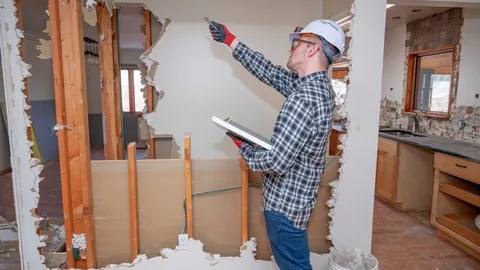
A home remodel almost always begins with a spark of inspiration. You might find yourself staring at your kitchen, wishing for a more efficient cooking space. Perhaps you desperately need more storage to clear out the daily clutter. You might even dream of a bathroom that turns your chaotic morning routine into a calm, functional experience. These ideas are exciting, and they naturally make you want to jump right into the action.
However, once the hammers start swinging, many homeowners in Portland and Beaverton quickly realize a critical truth. Planning is significantly more important than the original design.
The earliest stages of a project are actually where the most significant mistakes happen. It is incredibly easy to move too fast. People often rush ahead without checking actual material costs. They ignore layout limitations or fail to understand the full scope of the construction process.
When you skip these foundational steps, costly delays and sudden design changes are guaranteed to show up later. If you are thinking about embarking on a home remodeling project in Portland, Oregon, you need a shift in perspective. Your primary goal should not just be about changing how your home looks on the surface. Instead, you should focus on making your space work better for your specific daily routine.
At the same time, you want to keep the entire process clear, transparent, and simple from start to finish. Achieving this balance requires a strategic approach.
7 Essential Planning Tips to Prevent Costly Remodeling Mistakes
1. Identify and Document Your Real Household Needs
This initial step helps you focus on solving real, existing problems instead of chasing random design trends. Before you even look at a single paint swatch or countertop sample, take a close look at how you actually live. Many people skip this diagnostic phase entirely. Later on, they deeply regret investing money into changes they did not actually need.
To keep yourself grounded, walk through your home and write down simple, objective points. Look for specific pain points in your current layout. Note the rooms that consistently feel too small, crowded, or tight during peak hours of the day. Identify the storage areas that do not work well or fail to hold your belongings efficiently.
Pay close attention to your lighting conditions. Mark down the spaces where the light feels weak, harsh, or uneven. When you write these observations down on paper, you completely avoid guessing later. This written list also becomes incredibly useful when you begin talking with a contractor or a professional designer. Because you are perfectly clear about your functional needs, you can advocate for your project with total confidence.
2. Establish a Practical Budget You Can Stick To
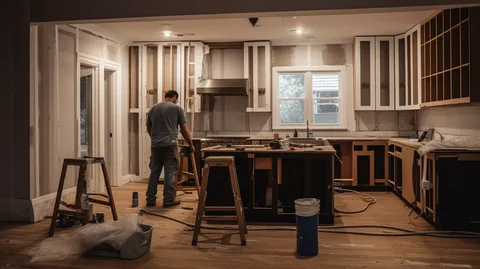
Start by setting a maximum budget range that you are completely comfortable spending. Once you have that number, immediately set aside a portion of that money exclusively for unexpected adjustments. Finally, make sure to research and compare different material options well before you make your final selections.
This level of preparation does not mean you need to plan every single penny right away. Rather, it gives you a firm financial limit. This boundary will protect you from overspending later when design decisions become more complex and emotionally charged.
3. Demystify the Remodeling Process
A successful home remodel is never just about the final design and the physical construction. It is a series of interconnected steps that must follow a specific, logical sequence. A standard, reliable remodeling process typically moves through several distinct phases.
First, a team conducts a thorough home review and handles the initial planning. Next, you move into the design phase to make your layout decisions. After that comes the budget review and formal approval process. Once the numbers are set, the necessary building permits must be secured from local authorities. Only then can the actual construction work finally begin on-site.
When you take the time to understand this natural flow, you will always know exactly what comes next. This knowledge significantly reduces your overall stress levels. You will never find yourself blindsided by steps or requirements you did not expect.
Many homeowners searching for home remodeling services miss this educational part entirely. They focus all of their energy exclusively on the final aesthetic result. However, the underlying process is what actually controls and dictates your final outcome.
4. Prioritize Everyday Functionality Over Style
In the world of home renovation, function must always come before style choices. It is dangerously easy to scroll through beautiful design ideas online and want to replicate those exact looks in your own home. But the truth is that not every gorgeous photo you see will actually work for your unique daily routine.
To keep your plans practical, you need to ask yourself a few tough questions. Is your kitchen layout genuinely easy to move around in while you are actively cooking a meal? Do you truly have enough counter space to prepare food without feeling cramped? Does your bathroom layout support your specific morning and evening routines? Are the main pathways through your rooms easy to navigate?
When you answer these functional questions first, your overall design automatically becomes much more useful. The stylistic decisions actually become much easier after that. You will already know exactly what your home needs to succeed on a practical level.
5. Build Flexibility into Your Expectations
Small changes and unexpected adjustments are entirely normal in almost every remodeling project. Even if you have the absolute best plan on paper, things can and will shift once the physical work begins. For example, specific materials may take longer to ship than originally estimated. Alternatively, you might decide to adjust a design element after seeing it take shape in your actual, physical space.
To handle these inevitable moments without losing your peace of mind, you need to build flexibility into your project. Avoid planning a tight, rigid timeline that leaves no room for errors. Instead, purposefully allow extra time in your schedule for minor delays.
Most importantly, keep an open mind regarding small design modifications along the way. This flexible attitude helps you avoid immense amounts of stress when something does not go exactly according to your original plan. In reality, the most successful remodels are the ones that adapt smoothly to small changes.
6. Select Materials Engineered for Real Life
The specific materials you choose will directly affect how your home functions over the long term. Too many homeowners select materials simply because they look stunning in professional photographs. Unfortunately, real-life wear and tear is vastly different from a staged photo shoot.
When you are browsing your options, think carefully about durability and maintenance. Look for high-quality flooring materials that can easily handle high-traffic areas without scratching or wearing down. Choose countertop surfaces that are genuinely easy to wipe down and clean without requiring special chemicals.
Invest in sturdy cabinets that can open and close thousands of times without developing hardware issues. Finally, seek out finishes that do not demand constant, exhausting upkeep just to look presentable. Making smart, practical choices at this stage will drastically reduce your maintenance problems down the road. You will spend far less time and money fixing minor issues after the remodel is officially complete.
7. Establish Simple and Direct Communication
A vast majority of remodeling headaches stem directly from unclear messages and poor communication. When important details are not shared properly between you and your team, the physical work can quickly move in the wrong direction. Preventing this issue requires you to establish clear communication habits from day one.
Make it a strict rule to write down every single important decision and agreement in writing. Never hesitate to ask detailed questions before you officially approve any changes or budget adjustments. Additionally, make time to review progress updates at each major stage of the construction work.
Simple, consistent communication keeps everyone on the exact same page. This active approach allows you to stay deeply involved in the transformation of your home without ever feeling overwhelmed by the moving parts.
Setting Yourself Up for Renovation Success
Ultimately, a home remodel does not need to feel like a complicated, overwhelming nightmare. The vast majority of renovation problems come from poor planning and unclear communication, not from the actual construction work itself. When you take the necessary time to truly understand your household needs, establish a realistic budget, and respect each step of the process, the entire project becomes completely manageable.
Partnering with a highly structured, professional team like Lazy Susan Design & Remodeling can completely transform your experience. A dedicated team helps you stay highly organized from the very first planning session all the way to the final walk-through. This partnership keeps your project moving forward in a simple, steady, and predictable way, which completely eliminates confusion and allows you to enjoy the journey of transforming your home.