




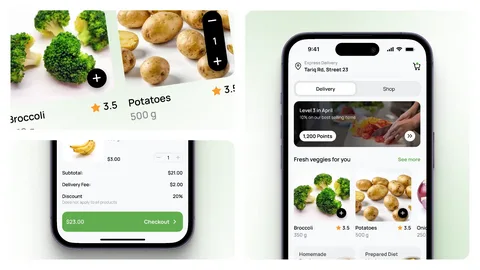
As we step into 2026, grocery delivery apps have become a staple in the lives of millions. With our increasingly busy schedules and the growing preference for digital solutions, these apps offer a level of convenience that’s hard to beat. This shift in how we shop for food has dramatically transformed the grocery industry, making it easier than ever to stock our kitchens from the comfort of our homes. In this article, we’ll take a deep dive into grocery delivery apps in 2026, discussing their evolution, key features, top players, and the emerging trends shaping the future of grocery shopping.
The Evolution of Grocery Delivery Apps
Grocery delivery services have evolved significantly over the years. From the early days when a simple phone call could get a sack of potatoes delivered to your door, to today’s high-tech, app-based shopping experiences, the progress has been astounding. The real shift began in the early 2000s when online grocery stores emerged, offering customers the convenience of shopping from home. Fast forward to 2026, and the grocery delivery landscape has grown into a multi-billion-dollar industry.
Today’s apps are much more than just a way to order groceries. They are designed to offer speed, flexibility, and, of course, the all-important convenience. Many services now offer lightning-fast deliveries, sometimes within 30 minutes. Additionally, subscription-based models have made it even easier to have groceries delivered regularly, helping customers stay stocked up without needing to place an order each time.
Key Features of Modern Grocery Delivery Apps
Modern grocery delivery apps are designed with the user experience in mind. They combine cutting-edge technology with simple, intuitive interfaces. Here are some of the key features that have become integral to these apps:
1. User-Friendly Interface
Gone are the days of complicated, hard-to-navigate websites and apps. In 2026, grocery delivery apps have streamlined their design to make shopping as easy as possible. These apps offer simple, intuitive layouts with minimal clutter. Finding the right product has never been easier, thanks to advanced search features and categories that allow users to browse items based on their preferences or dietary needs.
2. Real-Time Inventory Updates
Nothing is more frustrating than selecting a product, only to find out it’s out of stock. Thankfully, in 2026, real-time inventory updates have largely solved this issue. Apps sync directly with stores, providing up-to-the-minute data on what’s available. If your favorite snack is unavailable, the app will suggest alternatives, helping you make informed choices without missing a beat.
3. Personalized Recommendations
Another major advancement is personalized shopping. Using machine learning and AI, these apps analyze your past purchases and shopping behavior to offer tailored recommendations. Whether you’re preparing a big dinner or craving a snack, the app can help you discover new products or remind you to add items you may have forgotten. It’s like having a personal shopper who knows exactly what you need.
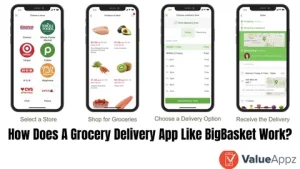
Major Players in the Grocery Delivery Market
The grocery delivery app market in 2026 is teeming with a variety of options. However, there are a few key players that dominate the space:
Instacart
Instacart has become one of the most recognizable names in the grocery delivery space. It connects customers with personal shoppers who pick out items from local stores and deliver them directly to their homes. Offering a large selection of products and reliable delivery times, Instacart has established itself as a major player in the market.
Amazon Fresh
Amazon Fresh has taken grocery delivery to the next level, offering everything from fresh produce to household items. Its integration with Amazon Prime also allows users to enjoy free delivery on orders above a certain amount, making it a highly attractive option for regular shoppers.
GoPuff
GoPuff, while relatively new, has made significant waves in the grocery delivery sector. Known for its lightning-fast delivery (often within 30 minutes), GoPuff caters to customers looking for convenience and speed. The app’s unique model focuses on delivering snacks, drinks, and essentials, perfect for last-minute needs.
The Role of Technology in Grocery Delivery
Technology is the driving force behind the evolution of grocery delivery services. Here are some key innovations that are shaping the industry in 2026:
Artificial Intelligence (AI) and Machine Learning
AI and machine learning are now at the core of many grocery delivery apps. These technologies help improve efficiency in a variety of ways, such as optimizing delivery routes, predicting customer preferences, and managing inventory. For customers, AI-driven algorithms provide personalized shopping experiences, suggesting items based on previous purchases.
Mobile Payment Solutions
In 2026, paying for groceries is faster and safer than ever. Mobile payment solutions like Apple Pay, Google Pay, and other digital wallets have become standard for many grocery apps. These payment methods offer a simple, secure, and quick checkout experience, making it easier to shop without worrying about carrying cash or credit cards.
Smart Home Integration
Imagine your fridge telling you that you’re out of milk, and your grocery app offering to restock it with just a tap. In 2026, some grocery apps integrate seamlessly with smart home devices, making grocery shopping even more convenient. Voice-activated assistants like Alexa or Google Assistant can suggest items based on your household’s needs, allowing you to order with a simple voice command.
Consumer Trends and Preferences
Over the years, consumer preferences have evolved. Here are a few trends that are defining grocery delivery services in 2026:
Post-Pandemic Shifts
The pandemic altered the way we shop, and many consumers continue to prefer online grocery for its convenience and safety. Even as in-person shopping became possible again, the ease of shopping from home has proven to be a lasting trend. In 2026, people are opting for grocery delivery services that minimize effort, whether it’s a late-night snack craving or the weekly grocery run.
Sustainability and Local Products
Convenience and Speed
At the heart of every grocery delivery app is the promise of convenience. In 2026, consumers are looking for fast, reliable services that deliver quality products on time. Delivery times have become faster than ever, with some services promising delivery in as little as 30 minutes. The demand for speed and efficiency continues to drive the growth of grocery delivery apps.
Challenges in the Grocery Delivery Industry
Despite the many benefits, grocery delivery services face some hurdles:
Logistical and Operational Hurdles
Managing inventory, optimizing delivery routes, and dealing with last-mile delivery issues are just some of the challenges that grocerydelivery services face. Traffic, weather, and stock shortages can lead to delays and frustrated customers. To remain competitive, these services need to continue refining their logistics and operational strategies.
Customer Service Issues
Another common complaint revolves around customer service. From missing items to incorrect substitutions, there are several ways the shopping experience can go wrong. As competition heats up in 2026, grocery apps will need to improve their customer service to ensure customer satisfaction. Real-time tracking and better communication will be essential for maintaining a loyal customer base.
The Future of Grocery Delivery Apps
Looking ahead, grocery delivery services are poised for even more innovation. From autonomous delivery vehicles to drone-based systems, the future of grocery shopping is both exciting and efficient. We can expect to see faster delivery times, even more personalized shopping experiences, and the continued integration of smart technologies into our homes.
Conclusion
In 2026, grocerydelivery apps have fundamentally changed the way we shop for food. With cutting-edge technology, personalized recommendations, and faster delivery times, these services offer convenience and efficiency that meet the needs of modern consumers. Whether you’re seeking sustainable products, craving a late-night snack, or just trying to save time, grocerydelivery apps are here to stay—and they’ll only continue to evolve.
FAQs
What are the main benefits of using a grocery delivery app?
Grocery delivery apps offer convenience, time savings, and the ability to shop from home. They also provide personalized recommendations, real-time inventory updates, and access to a wider range of products.
How do I choose the best grocery delivery app for my needs?
When choosing a grocery delivery app, consider factors such as pricing models, delivery availability, user interface, and customer reviews. Compare features to find the app that best suits your shopping preferences.
Are grocery delivery apps safe to use?
Yes, most grocery delivery apps prioritize security, offering secure payment methods and ensuring data protection. Always use reputable apps and review their privacy policies to be sure your information is safe.
Can I customize my grocery orders with delivery apps?
Yes, many grocery delivery apps allow users to customize their orders, from selecting specific items and quantities to getting personalized product recommendations