



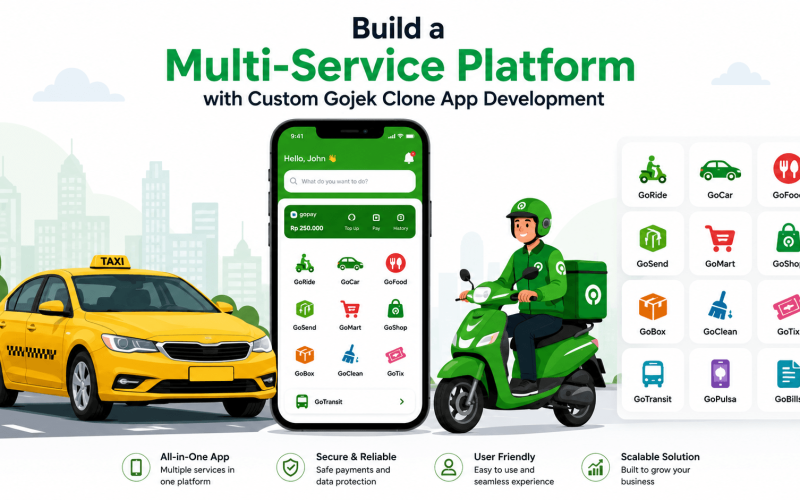
In our hyper-connected world, the “Super App” has become the gold standard for digital convenience. Leading this revolution is the Gojek clone app—a multi-service powerhouse that bundles transportation, food delivery, logistics, and professional services into one sleek interface. For the modern entrepreneur, building a custom Gojek clone isn’t just about launching an app; it’s about creating a local ecosystem that saves users time and simplifies their lives.
This guide explores how to build a successful multi-service platform, from the initial concept to the monetization strategies that keep the revenue flowing.
What Exactly is a Gojek Clone?
A Gojek clone is a versatile software solution that replicates the “Super App” business model. Originating in Southeast Asia, this model recognizes that users hate “app fatigue”—the frustration of switching between ten different apps to get through their day.
Instead of a single-purpose tool, a Gojek clone acts as a digital buffet. Whether a user needs a motorbike taxi, a grocery delivery, or a house cleaner, they find it all under one roof. This evolution from simple ride-sharing to “everything-sharing” has turned these platforms into essential utilities for urban living.
Key Features of a High-Performance Platform
To win in the competitive on-demand market, your app needs to be more than functional; it needs to be indispensable.
-
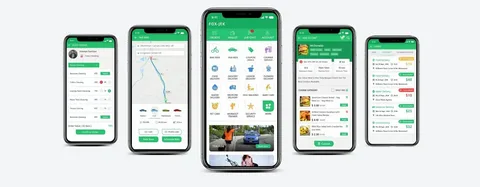
Service Integration: The transition between ordering a ride and ordering a pizza must be invisible. A unified wallet system allows users to pay for any service using a single balance.
-
Intuitive UI/UX: If your app is a maze, users will leave. The design should be “thumb-friendly,” ensuring that any service can be booked in three taps or fewer.
-
Real-Time Logistics: Precision is non-negotiable. Integrated GPS tracking and automated push notifications keep users calm and informed while they wait for their service.
-
Elastic Scalability: Your app should handle 100 users or 100,000 without breaking a sweat. Using cloud-based architecture ensures that as your business grows, your tech grows with it.
The Strategic Value of Custom Development
While “off-the-shelf” scripts exist, custom Gojek clone development is where the real value lies.
-
Market Specificity: Every city has unique needs. Custom development allows you to prioritize services that matter to your local audience, such as snow removal in colder climates or specialized delivery in high-density areas.
-
Brand Autonomy: A custom app reflects your brand’s soul. From the color palette to the tone of the notifications, you aren’t just a service provider; you are a recognizable brand.
-
Financial Efficiency: Investing in high-quality code upfront reduces the “technical debt” that leads to expensive bug fixes and complete redesigns later.
A Step-by-Step Roadmap to Launch
Building a Super App is a marathon, not a sprint. Follow these critical phases to ensure a smooth takeoff:
1. Intelligence Gathering
Don’t guess—analyze. Look at your competitors and find their “blind spots.” If the local ride-sharing giant has terrible customer support, make yours the best in the city.
2. The Tech Stack Selection
Choosing your technology is like choosing the foundation for a skyscraper. Most modern clones use React Native or Flutter for the front end (to cover both iOS and Android efficiently) and Node.js or Python for a fast, responsive back end.
3. Development and The “Stress Test”
This is where your vision takes shape. Once the code is written, put it through rigorous testing. Simulate high-traffic scenarios to ensure the payment gateway doesn’t fail when things get busy.
4. The Grand Opening and Beyond
Launch day is just the beginning. Post-launch support is vital to squash any lingering bugs and to listen to user feedback. The most successful apps are those that evolve based on what their users actually do.
Turning Service into Profit: Monetization
How do you keep the lights on? A Gojek clone offers several lucrative paths to profitability:
| Strategy | How it Works | Why it’s Great |
| Commission Fees | You take a percentage of every transaction. | Creates a “win-win” partnership with providers. |
| Subscription Models | Users pay a monthly fee for “Gold” status. | Provides predictable, recurring revenue. |
| Service Surcharges | Small fees for high-demand “peak” times. | Balances supply and demand during busy hours. |
| B2B Advertising | Local businesses pay to be “Featured” in search. | High-margin revenue that doesn’t cost the user. |
Marketing Your Masterpiece
Even the best app will fail if nobody knows it exists. Effective marketing for a Gojek clone involves:
-
Laser-Targeted Demographics: Focus your initial ads on the “busy professional” or the “on-the-go student”—the people who value time more than anything else.
-
Incentivized Referrals: Word-of-mouth is digital gold. Give users a discount when they invite a friend to the platform.
-
The Power of Local SEO: Ensure that when someone searches for “delivery near me,” your app’s landing page is the first thing they see.
The Future: AI and Hyper-Personalization
The next generation of multi-service platforms will be powered by Artificial Intelligence. Imagine an app that knows you usually order a coffee at 8:00 AM and a ride to the gym on Tuesdays. By predicting user behavior, the future Gojek clone won’t just react to requests—it will anticipate them.
The bottom line? The multi-service market is still in its early days. By focusing on a “human-first” experience and leveraging robust, custom technology, you can carve out a massive piece of this digital economy.