





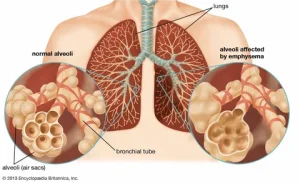
Emphysema is a long-term lung disease that falls under chronic obstructive pulmonary disease (COPD). It slowly damages the alveoli, the tiny air sacs in the lungs responsible for oxygen exchange. As these structures break down, breathing becomes more difficult over time. Many people look for Emphysema Natural Supplements as supportive options. However, it is important to stay realistic. No supplement can reverse permanent lung damage.
Instead, they may support general lung health, reduce inflammation, or improve comfort when used alongside medical treatment. Modern care in 2026 still relies on proven approaches such as smoking cessation, inhalers, oxygen therapy, pulmonary rehabilitation, and vaccinations. Natural Supplements can only play a complementary role—not a replacement.
Why “Herbal Cure for Emphysema” Claims Are Misleading
A key misunderstanding in wellness marketing is the idea of a “herbal cure for emphysema.” This claim is not supported by medical science. Emphysema causes irreversible structural damage to lung tissue. Once alveoli are destroyed, they cannot fully regenerate. While research into regenerative medicine continues, no herbal product or over-the-counter supplement can repair this damage.
Because of this, it is important to approach such claims with caution. Supplements may support symptom management, but they do not cure or reverse the disease.
Natural Compounds That May Support Lung Health
Although they cannot cure emphysema, some natural compounds show potential benefits in research studies. These benefits mainly come from reducing oxidative stress and inflammation.
Quercetin and Plant Flavonoids
Quercetin, found in apples, onions, and berries, is a plant-based antioxidant. It may help reduce inflammation in lung tissue based on early laboratory findings.
Scutellaria and Herbal Extracts
Some plant extracts, such as Scutellaria baicalensis, have shown anti-inflammatory properties in experimental studies. However, human research is still limited.
Gallic Acid and Natural Antioxidants
This compound appears in many fruits and teas. It has shown antioxidant activity that may help protect cells from oxidative damage. These substances support overall wellness, but they are not disease-modifying treatments for emphysema.
N-Acetylcysteine (NAC) and Mucus Support
NAC is one of the most studied supplements related to COPD and emphysema. It is not an herb but a precursor to glutathione, one of the body’s most important antioxidants. NAC may help thin mucus in the airways, making breathing slightly easier for some patients. It also helps reduce oxidative stress. While results vary, some individuals report improved respiratory comfort when using it under medical supervision.
Vitamins and Nutrients for Lung Function
Nutrition plays a supportive role in managing lung conditions.
Vitamin D
Low vitamin D levels are common in people with COPD. Supplementing it may support immune health and overall lung function.
Vitamins C and E
These antioxidants help reduce cellular damage caused by oxidative stress. A diet rich in fruits and vegetables often provides these naturally.
Omega-3 Fatty Acids
Found in fish oil and flaxseeds, omega-3s help reduce inflammation in the body. While not a direct treatment, they support overall respiratory wellness.
Popular Herbal Products and Their Limitations
Many herbal blends are marketed for lung health, but most lack strong clinical evidence.
Herbal Lung Tonics
Blends containing herbs like eucalyptus, licorice, and horehound are commonly promoted. While they may soothe irritation, they do not repair lung tissue.
Lung Detox Products
The idea of “detoxing the lungs” is misleading. The lungs naturally clean themselves and do not require detox supplements.
Herbal Teas and Drops
Teas made from thyme, plantain, or eucalyptus may provide temporary relief from coughing, but they do not treat emphysema itself.
What Scientific Research Actually Shows
Clinical studies on herbal treatments for COPD and emphysema show mixed or weak evidence overall. Some compounds demonstrate anti-inflammatory effects in laboratory settings, but these results do not always translate into real-world clinical improvement.
In most cases, research supports supplements only as secondary aids—not primary treatments.
Evidence-Based Supplements That May Help
A few supplements have relatively better scientific backing:
- NAC – May help with mucus clearance and oxidative stress
- Omega-3 Fatty Acids – Support anti-inflammatory balance
- Vitamin D – Important for immune and respiratory health
- Antioxidant-rich compounds (like Quercetin) – Support cellular protection
These should always be used as part of a broader treatment plan.
What to Avoid: Marketing Hype and False Claims
Some claims in the Natural Supplements industry are not supported by science.
Avoid products that promise:
- “Cure for emphysema”
- “Lung detoxification”
- “Instant repair of lung tissue”
- “Guaranteed regeneration of alveoli”
These statements are not medically valid and often rely on marketing exaggeration.
Considerations Before Using Natural Supplements
Before using any Emphysema Natural Supplements, safety should come first.
Medication Interactions
Some herbs can interfere with blood pressure, blood thinning, or respiratory medications.
Quality Control Issues
Not all supplements are regulated strictly. Product quality may vary widely.
Side Effects
Even Natural Supplements can cause allergies, digestive issues, or liver stress in some cases. Always consult a healthcare provider before starting any supplement routine.
What Actually Works for Emphysema Management
The most effective approaches remain medical and lifestyle-based:
- Quitting smoking completely
- Using prescribed inhalers and medications
- Pulmonary rehabilitation programs
- Regular light exercise
- Healthy, nutrient-rich diet
- Vaccinations for flu and pneumonia
These interventions have proven benefits for slowing disease progression and improving quality of life.
Final Thoughts
Emphysema is a serious, progressive condition, and many people naturally search for additional support through Emphysema Natural Supplements. While some Natural Supplements may offer mild benefits, none can reverse lung damage or act as a cure.
The most effective strategy in 2026 combines evidence-based medical care with supportive nutrition and carefully chosen supplements. When used responsibly, they may enhance comfort and overall well-being—but only as part of a larger treatment plan guided by healthcare professionals.